
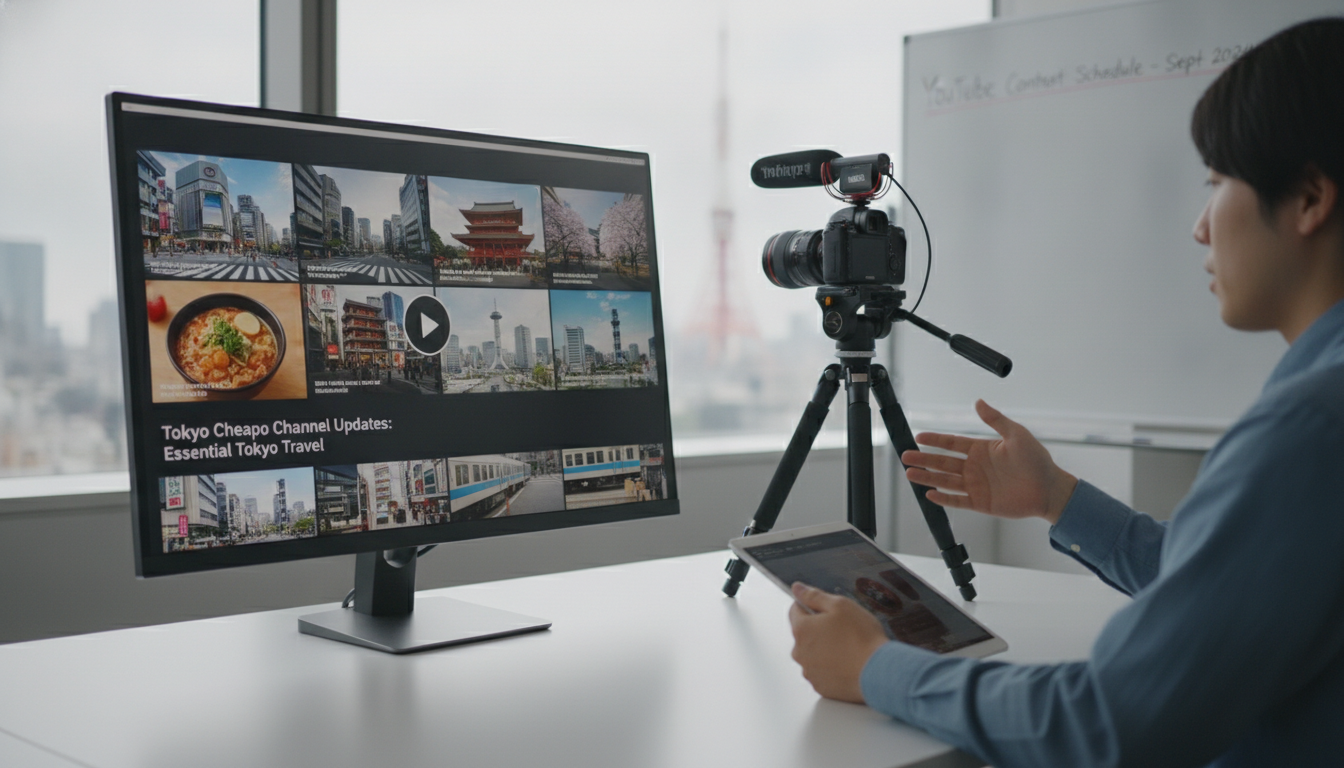
Tokyo Cheapo YouTube: Seven Essential Videos for Planning a Smarter Tokyo Trip
Tokyo Cheapo YouTube’s seven most-watched videos are essential pre-trip viewing for visitors to Tokyo, offering neighborhood guides, money-saving tips and practical travel advice. The Tokyo Cheapo YouTube channel collects neighborhood deep dives—from Shibuya and Ueno to Ginza and Kōenji—along with a clear, step-by-step Suica card guide that many travelers find indispensable. This article summarizes those videos, highlights practical takeaways for visitors, and explains why these pieces of content have become go-to planning tools for anyone preparing to visit Tokyo.
Tokyo Cheapo’s Most-Watched Video: Top 23 Things to Do in Shibuya
The channel’s most-viewed entry walks viewers through Shibuya’s headline attractions alongside budget-friendly alternatives, balancing must-see moments with practical savings. It covers iconic landmarks such as the Hachikō statue and the Scramble Crossing while also pointing out free viewing spots, a local skate park, and well-regarded low-cost karaoke options. The video’s mix of high-profile sites and money-saving tips explains its popularity among both first-time visitors and repeat travelers seeking new angles on a familiar neighborhood.
Beyond the obvious tourist draws, the Shibuya feature emphasizes how to experience the area without overspending, suggesting walking routes and times of day that reduce crowds. Practical details—like where to find free observation points and which backstreets host small eateries—make the segment useful for planning a half-day or full-day visit. Viewers consistently report that these actionable recommendations helped them compress a long, expensive list of sights into a satisfying, budget-conscious itinerary.
The video’s format—short on narration and long on on-the-ground footage—lets viewers see what each suggestion actually looks like before they commit to it. That visual clarity lowers the friction of trip planning: viewers can decide at a glance what fits their interests and budget. For visitors assembling a Tokyo travel guide or building a day plan, the Shibuya video serves as a compact, reliable reference.
Ueno and Ginza: Deep Dives for First-Time and Returning Visitors
Tokyo Cheapo’s Ueno video reframes the district beyond the common “park with museums” shorthand, presenting Ameyoko’s street-life energy, late-night food options, and nearby historic lanes. The footage highlights shrine stops such as Hanazono Inari Shrine and Ueno Tōshōgū, while urging visitors to linger and explore adjacent neighborhoods like Kuramae and Yanaka for a fuller sense of east Tokyo. The combination of daytime shopping scenes and evening street-food vignettes helps viewers plan visits that stretch across a single long afternoon or an overnight itinerary.
The Ginza video makes a complementary case: you can experience Tokyo’s glitziest shopping district without breaking the bank, thanks to free rooftop terraces and cultural offerings. It tours Ginza Six’s rooftop terrace, Ginza Sony Park, and long-established specialty shops like Itoya for stationery, while also identifying budget-friendly standing bars and public viewing points. By showcasing a blend of luxury and affordable options, the guide helps travelers reconcile Ginza’s upscale reputation with the practicalities of a modest travel budget.
Together, the Ueno and Ginza videos demonstrate how Tokyo Cheapo’s visual storytelling supports both discovery and decision-making. They present a range of realistic budgets and time allocations, enabling readers and viewers to map a single-day plan or a series of neighborhood stops according to personal priorities.
Kōenji and Kawagoe: Neighborhoods That Reward Slow Exploration
The Kōenji segment spotlights a less-touristed corner of west Tokyo where vintage shops, live-music venues and atmospheric izakaya discoveries create a distinctly local tempo. Less than ten minutes by train from Shinjuku, Kōenji is presented as a place for browsing secondhand stores, catching small "live house" shows, and savoring neighborhood-level dining experiences that are hard to find in more tourist-heavy districts. The video captures the area’s lived-in charm and offers practical tips on where to drop in for affordable local fare, including an izakaya known for complimentary gyoza.
Kawagoe, presented as “Little Edo,” is framed as an ideal day trip from central Tokyo for visitors seeking a taste of historic streetscapes preserved from the Edo period. The video highlights Kurazukuri Street’s clay-walled merchant warehouses, the Toki no Kane bell tower, and the candy-lined alley of Kashiya Yokochō, while also recommending hands-on experiences such as chopstick-making and tasting locally made tamagoyaki. By situating Kawagoe within easy reach of Tokyo, the guide provides a clear, manageable option for travelers who want traditional scenery without an overnight stay.
Both neighborhood videos emphasize slow exploration and small-scale experiences that reward time on the ground rather than rushed checklist tourism. For readers assembling a Tokyo travel guide that values authenticity over ticking iconic boxes, Kōenji and Kawagoe offer reliable, repeatable suggestions.
Suica Explained: Practical Card Advice for Train, Bus and Convenience Store Use
The channel’s Suica guide is framed as a practical primer for the rechargeable IC card that functions across rail, bus and many retail transactions in Japan, making it a critical tool for efficient travel. The video clearly differentiates physical Suica cards from Mobile Suica and Welcome Suica options, explaining when each is most useful and what to do if you encounter common problems such as balance issues or card damage. Viewers appreciate the straightforward demonstrations of recharging, refunding, and using Suica at coin lockers and vending machines, which reduce the small anxieties that often accompany foreign travel.
Beyond basic operation, the guide addresses recent changes and procedural nuances—such as how to handle leftover balances when departing Japan—and offers practical advice for tourists using short-term visitor passes or mobile solutions. The step-by-step approach demystifies the system for older travelers and less tech-confident visitors, and it also gives frequent travelers tips to streamline daily movement through Tokyo’s extensive transport network. For anyone building a Tokyo travel plan, the Suica video functions as a quick, confidence-building tutorial that turns a common source of confusion into a convenience.
The educational angle is reinforced by on-screen examples and transit sequences that mirror real passenger flows during rush and off-peak periods. Watching the card in use across multiple scenarios helps reduce errors and delays, which can save time and money during a tight itinerary.
Tourist-Trap Testing: Queues, Viral Foods and Safer Alternatives
One of the channel’s most viral segments pits popular, social-media-driven food spots against practical questions: is the hype worth the wait, and are there smarter alternatives nearby? The producers line up at viral outlets—from fried sandwich stalls to elaborate doughnut queues—and then evaluate whether the time investment and price justify the experience. The videos pair verdicts with nearby alternatives that offer similar flavors or atmospheres without the same heavy queue times, giving viewers immediate, actionable substitutions.
This testing format serves two functions: it entertains viewers who enjoy seeing how far the team will go to try a trend, and it equips travelers with decision-making frameworks for allocating limited time in Tokyo. For first-time visitors, choosing between a viral snack and a neighborhood eatery can shape the feel of a day; the video’s verdicts and alternatives help travelers direct their energy to experiences that match their priorities. The segment’s balanced tone—neither reflexively dismissive nor uncritical—has helped it gain traction among viewers planning realistic itineraries.
The popularity of this content reflects broader travel behavior: many visitors now prioritize curated, efficient experiences over following every social-media trend. By testing the trends and offering smart replacements, the video helps travelers make choices that preserve both time and travel budgets.
How Tokyo Cheapo’s Video Strategy Shapes Practical Trip Planning
Tokyo Cheapo’s YouTube channel publishes on a roughly biweekly schedule, updating older favorites as neighborhoods and services evolve, which keeps the content aligned with on-the-ground reality. Recent refreshes in 2026 to videos covering Ueno, Shibuya, and Ginza reflect the team’s commitment to maintaining current logistical details and entry recommendations. The steady cadence of new material, combined with periodic updates, means the channel functions as a living travel resource rather than a static archive.
The production approach—short, focused episodes with on-location footage and clear recommendations—targets viewers who want quick, usable information rather than long-form travel documentaries. This format supports trip planners who prefer to assemble personalized itineraries from targeted segments, mixing neighborhood walkthroughs, transit tutorials and pragmatic food testing. For an English-speaking audience preparing travel to Tokyo, the channel reduces research time while increasing confidence about everyday logistics and sensible choices.
From an editorial perspective, the combination of neighborhood discovery, practical transit advice and consumer-minded testing reflects a single editorial imperative: help travelers maximize what they get from Tokyo without overspending time or money. That editorial clarity explains why specific episodes rise to the top of the channel’s viewing statistics and why many readers of Tokyo-focused guides now use the videos as a first step in trip planning.
Tokyo Cheapo YouTube’s most-watched videos provide a compact, practical foundation for planning a trip to Tokyo, balancing iconic must-sees with neighborhood discoveries and transit know-how. If your travel checklist includes Shibuya, Ueno, Ginza, Kōenji, Kawagoe or making the Suica card work for you, watching these seven videos will save time and clarify choices before you arrive.

