
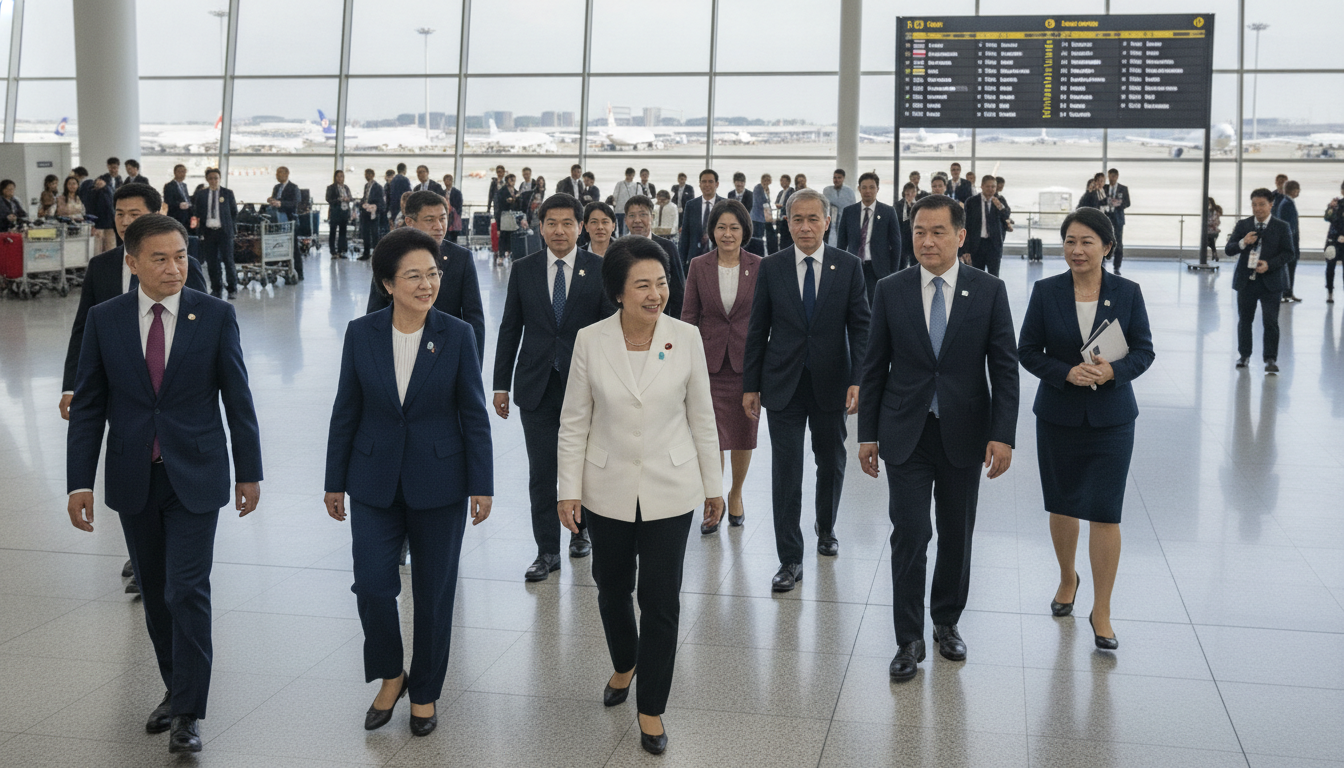
Japanese Prime Minister Sanae Takaichi Completes 11-Country Diplomatic Push to Counter Beijing’s Criticism
Takaichi has visited 11 countries since taking office in October 2025, focusing on the U.S., Southeast Asian partners and other allies to shore up support amid rising criticism from China.
Japanese Prime Minister Sanae Takaichi has completed visits to 11 countries since taking office in October 2025, intensifying diplomatic engagement with the United States, Southeast Asian states and other like-minded partners. The outreach, aimed at reinforcing security and economic ties, comes as Tokyo faces growing scrutiny and diplomatic pressure from Beijing. During the tour, Takaichi held high-profile meetings including a July 2 encounter with Indian Prime Minister Narendra Modi in New Delhi, underscoring a wider push for strategic partnerships across the Indo-Pacific.
Takaichi’s diplomatic outreach so far
Since assuming office in October 2025, Prime Minister Sanae Takaichi has prioritized in-person diplomacy as a central tool of foreign policy. Her itinerary covered capitals in North America, South Asia and Southeast Asia, reflecting a geographic spread intended to bolster defence cooperation and trade links. Officials say the visits were timed to consolidate alliances and demonstrate Japan’s commitment to a rules-based regional order.
Emphasis on the United States and security collaboration
Tokyo’s renewed focus on Washington featured prominently in Takaichi’s agenda, with discussions centering on defence cooperation and shared responses to regional challenges. Japanese and U.S. officials cited plans to deepen joint exercises and intelligence-sharing mechanisms, signaling closer operational alignment. Analysts note that tighter security coordination is intended to reassure regional partners and deter coercive behaviour.
Engagement with Southeast Asian partners
Southeast Asian capitals were a strategic stop on Takaichi’s tour, reflecting Tokyo’s interest in economic ties and maritime security in the South China Sea. Meetings emphasized infrastructure investment, supply-chain resilience and cooperation on maritime safety. Tokyo framed these initiatives as mutually beneficial efforts to sustain regional stability and counterbalance strategic assertiveness from larger powers.
High-profile meeting with India and regional implications
A publicized handshake between Prime Minister Takaichi and Indian Prime Minister Narendra Modi in New Delhi on July 2 illustrated a deepening Japan-India relationship. The two leaders discussed trilateral cooperation, critical technology partnerships and shared concerns about preserving open sea lanes. Observers say the Japan-India engagement is aimed at expanding a network of partners that can collectively maintain economic openness and security in the Indo-Pacific.
Tokyo’s economic diplomacy and trade priorities
Economic outreach was a constant theme during the visits, with Tokyo promoting ties in technology, investment and supply-chain diversification. Japanese delegations pursued agreements on critical minerals, semiconductor supply security and green energy projects. Such deals are intended to reduce strategic vulnerabilities and ensure Japan remains integrated with markets and technologies critical to its economic future.
Response from Beijing and regional tensions
Takaichi’s diplomatic push has unfolded against an uptick in rhetoric from Beijing, which has criticized Japan’s alliances and moves to strengthen ties with other democracies. Tokyo has publicly framed its outreach as defensive and stabilizing, aimed at preserving sovereignty and the existing international order. Regional diplomats warn that increased alignment among smaller and middle powers could heighten strategic competition even as it aims to deter unilateral coercion.
Domestic political context and stakes for Takaichi
Domestically, the prime minister has presented the tour as evidence of Japan’s active leadership on the world stage and a safeguard for national security and prosperity. Supporters argue the visits have reinforced Tokyo’s bargaining position in trade and defence matters. Critics caution that the intensive focus on external relations must be balanced with attention to economic and social issues at home.
The government says follow-up diplomatic channels and working-level meetings will translate summit-level commitments into practical cooperation, including defense planning, trade agreements and joint research projects. Officials indicated that next steps will prioritize implementing memoranda of understanding and scheduling defence and economic working groups to monitor progress.
Regional observers will be watching whether the expanded network of partnerships led by Prime Minister Sanae Takaichi produces durable mechanisms that deter coercion while avoiding escalation. The coming months will test Tokyo’s ability to convert diplomatic momentum into concrete policy outcomes that strengthen Japan’s security and economic resilience.

