
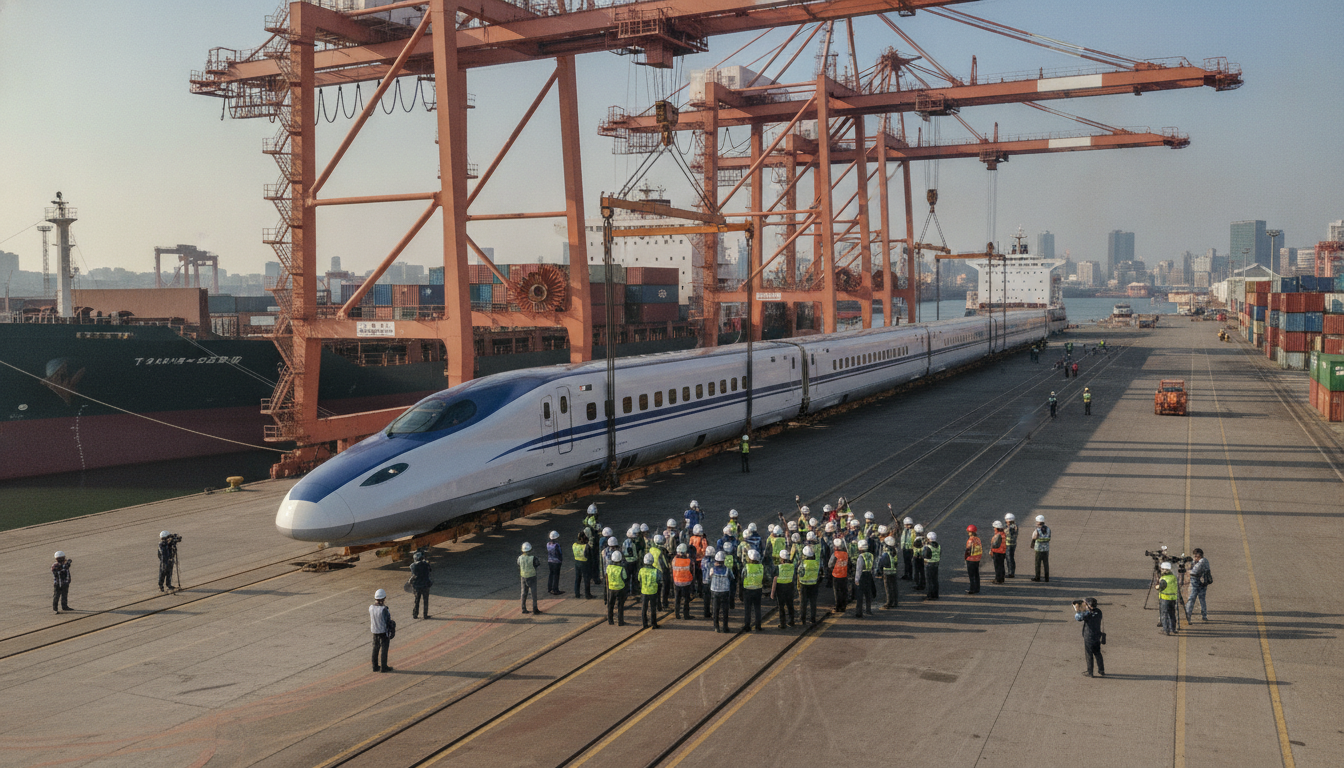
Taiwan shinkansen: First N700ST train set from Japan docks in Kaohsiung, signaling fleet renewal
First of 12 N700ST Taiwan shinkansen train sets from Japan docks in Kaohsiung, marking a move from early troubles toward fleet renewal and service expansion. (157 characters)
Taiwan shinkansen operations took a visible step toward renewal this week when the first of 12 N700ST train sets shipped from Japan arrived at the port of Kaohsiung on August 15, 2026. The delivery marks a notable pivot for the island’s high-speed rail system, which is moving from a period focused on stabilizing service and infrastructure toward planned capacity growth and modernization. Officials and industry observers say the arrival underscores renewed investment in the network’s rolling stock and signals preparations for expanded passenger service in coming years. The shipment is the latest tangible milestone in a long-running effort to strengthen Taiwan’s high-speed rail reliability and competitiveness.
Arrival of the N700ST set in Kaohsiung
The lead N700ST consist was unloaded at Kaohsiung’s docks under a logistical operation involving heavy-lift equipment and customs clearance procedures. Local port authorities and transportation officials were present as the unit was transferred from vessel to shore, a step that precedes inland transport to maintenance facilities. The arrival on August 15 concluded weeks of maritime transit and coordination between Japanese manufacturers and Taiwanese import authorities. The first set is scheduled for detailed inspections and preparatory works before any track testing begins.
Why the delivery matters for Taiwan High-Speed Rail
For an operator that spent years addressing teething problems since the line’s 2007 launch, new train sets represent both practical capacity and reputational gains. New rolling stock typically reduces the maintenance burden on older trains and can improve service punctuality and passenger comfort. Planners say the influx of modern trains will provide more options for timetable adjustments, peak-period frequency increases, and resilience during planned maintenance windows. The shipment therefore has implications for both daily commuters and longer-distance travelers who rely on predictable high-speed connections across the island.
Technical expectations for the N700ST fleet
The N700ST designation reflects a generation of trains adapted for local operational needs, with upgrades intended to address capacity, accessibility and onboard systems. While final specifications and certifications will be completed during domestic testing, manufacturers have emphasized improvements in reliability, passenger amenities and maintainability. Engineers will focus on integrating the sets with Taiwan’s signaling and platform infrastructure and on confirming performance under local climatic and track conditions. The certification and acceptance process is expected to be methodical, involving incremental speed and systems checks before commercial service begins.
Operational and economic implications
Introducing 12 new train sets is likely to affect scheduling flexibility and operating costs over the medium term, though precise financial impacts will depend on final contract terms and maintenance plans. Newer trains generally lower lifecycle costs through reduced unscheduled maintenance and energy efficiencies, potentially easing budgetary pressure on the operator. From a service perspective, expanded rolling stock can shorten intervals between services at peak times and create opportunities for new service patterns that better match passenger demand. Local suppliers and maintenance yards may also see increased activity as the fleet moves into service and requires routine servicing.
Context: From 2007 launch to present renewal
Taiwan’s high-speed rail system faced significant challenges after beginning service in 2007, including financial and operational hurdles that shaped investment priorities for years. Early struggles prompted a focus on stabilizing operations, improving reliability and optimizing the existing fleet rather than pursuing immediate expansion. The arrival of new N700ST sets signals a strategic shift toward growth and modernization after a sustained period of consolidation. Policymakers and transport planners now appear to be balancing the lessons of the past with a renewed drive to enhance capacity and passenger experience.
Delivery timetable and next steps
The August 15 shipment is the first of a planned series, with eleven additional N700ST sets due to arrive under the same procurement program. Each arriving set will undergo a staged process of inspection, testing on dedicated tracks, and regulatory certification before being scheduled for revenue service. Transport officials have indicated that rolling acceptance—rather than waiting for the entire batch—will allow some sets to enter service sooner, once they meet safety and interoperability requirements. The broader deployment timetable will hinge on testing outcomes and the operational readiness of maintenance and staff training programs.
Public attention to the Taiwan shinkansen project is likely to intensify as testing progresses and the operator outlines concrete timelines for commercial service. The initial arrival in Kaohsiung provides a visible sign that fleet renewal is moving from procurement into implementation. If subsequent sets arrive and clear certification on schedule, passengers can expect incremental improvements in capacity and service options in the months and years ahead.

