
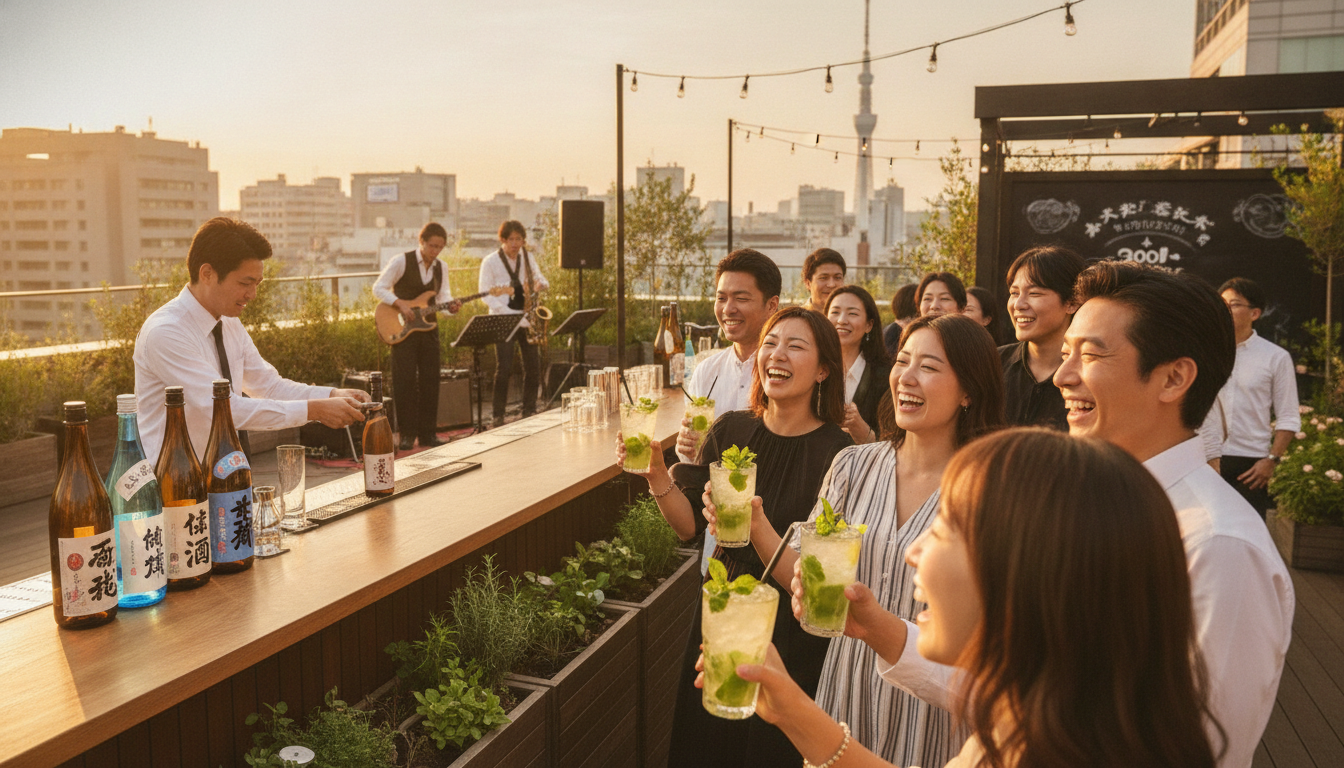
Ginza 300Bar Keeps Authentic Cocktails and ¥300 Prices at the Heart of Ginza
Ginza 300Bar continues to redefine Ginza nightlife with ¥300 cocktails, its signature Garden Mojito endorsed by the Cuban Embassy, three standing-bar locations.
Ginza 300Bar Keeps Standing-Bar Tradition Alive in Luxury District
Ginza 300Bar, the original standing bar in Japan, remains a counterpoint to the district’s upscale lounges and high-end cocktail rooms. The chain’s three Ginza locations have sustained a model that marries affordability with craft bartending since the first outlet opened in 1992.
The bar’s presence is widely regarded as a democratic invitation to Ginza’s night scene, where authentic cocktails are served without the usual luxury markup. That positioning has allowed Ginza 300Bar to function both as a neighborhood watering hole and a destination for visitors seeking value and quality.
Staff at each venue emphasize quick service and a social atmosphere, with many patrons choosing to stand and mingle rather than occupy a single table. The combination of standing service, approachable pricing and a long-running DJ roster creates a distinctive late-evening culture in the heart of Tokyo.
Prepaid Ticket System and ¥300 Pricing Define the Experience
A defining feature of Ginza 300Bar is its prepaid ticket system, which replaces cover charges and standard billing with a simple token-based model. Men purchasing a minimum of three tickets and women a minimum of two reflects the longstanding practice; menu items are priced at one or two tickets each, making the evening’s cost transparent from the outset.
Most drinks and dishes are priced at ¥300 per ticket, plus tax, which keeps the concept both memorable and easy to budget for. The bar also offers a 10-ticket purchase bonus—customers receive an extra ticket when buying ten at once—and leftover tickets can be redeemed on return visits.
Happy hour runs daily and each location opens at 4:30 p.m., making Ginza 300Bar a go-to spot for pre-dinner aperitifs and post-dinner nightcaps. The ticket system encourages a steady flow of customers and short, convivial visits that suit the energetic streets of Ginza.
Garden Mojito Gains Cuban Embassy Recognition and Aomori Ingredients
Central to Ginza 300Bar’s identity is its Garden Mojito, a signature cocktail that blends organic mint, Cuban sugar cane and Havana Club three-year rum. That recipe has drawn official recognition from the Cuban Embassy in Tokyo, which has described the drink as one of exceptional quality.
The organic mint used in the Garden Mojito is cultivated at Tohoku Bokujo in Aomori Prefecture, where 300Bar maintains a partnership to plant and harvest herbs. The bar’s commitment to sourcing and growing its own herbs underpins the drink’s profile and contributes to a broader farm-to-bar ethos.
The Garden Mojito was developed after a bartender from the chain immersed himself in Cuban culture and cocktail practice, including study at the Cuban Embassy and research visits to Cuba. This pursuit of authenticity—rooted in ingredient provenance and technique—has elevated the mojito into one of Tokyo’s most talked-about cocktails while keeping it accessible through the bar’s ticket pricing.
Food Offerings and House-Made Ingredients Complement Cocktails
Menu development at Ginza 300Bar is designed to match the bar’s cocktail program with hearty, shareable bar food. The Cubano sandwich is frequently recommended; its version includes cooked pork, homemade pickles and a lime twist that distinguishes it from the classic Cuban recipe.
Beyond the Cubano, the kitchen turns out pizzas, hamburger steaks, jerk chicken and brochettes, all prepared to pair with the bar’s extensive drink list. Many of the condiments and pickles are produced in-house, reflecting 300Bar’s emphasis on freshness and consistent flavor.
With more than 150 cocktails, beers and food items across the three locations, patrons can construct a full evening without leaving the 300Bar family. The breadth of options makes the bar suitable for a range of tastes, from those seeking a simple gin-and-tonic to guests hunting for seasonal specialty drinks.
Seasonal Events, Live Music and July 2026 Menu Additions
Ginza 300Bar programs a regular schedule of seasonal and international events to keep its offer dynamic for repeat visitors. Celebrations such as a spring cherry blossom festival, summer Star Festival evenings and regional showcases like Okinawa-themed nights blend local tradition with the bar’s casual atmosphere.
International observances including St. Patrick’s Day, Day of the Dead events and Hemingway commemorations add variety to the calendar and draw diverse crowds. In July 2026 the management confirmed plans to expand live music programming at Ginza 300Bar Next, the group’s largest venue, while maintaining the rotating DJ lineup across all outlets.
A notable menu addition observed in mid-2026 is Gojou Junmai Ginjo, a premium sake from Aomori Prefecture that is seldom found outside its regional retail network. Introducing that sake aligns with the bar’s partnership with Aomori growers and underscores a broader effort to showcase regional Japanese producers alongside international influences.
Three Ginza Locations, Hours and Practical Access
Ginza 300Bar operates three locations within walking distance of one another, each tailored to a different crowd size and experience. Ginza 300Bar Next is the newest and largest, holding about 120 people and equipped with a projector screen and DJ booth for larger events.
Ginza 300Bar 8-chōme offers a more intimate setting with room for roughly 60 patrons, making it easier for visitors to mingle with regulars and staff. The original Ginza 300Bar 5-chōme retains the historical mantle as Japan’s first standing bar and accommodates approximately 80 people.
All three locations open at 4:30 p.m., with happy hour from 5 p.m. to 7 p.m. daily, and extended late-night hours on Fridays, Saturdays and eves of public holidays. Menus are available in English and staff aim to be welcoming to both local and international guests, and each site is convenient to Tokyo Metro and JR East lines.
Atmosphere, Music Policy and Crowd Composition
Music and crowd character are central to the 300Bar experience; nights can range from relaxed after-work gatherings to lively themed parties. DJs play a variety of selections, including Showa-era grooves, city pop, J-pop and hits from the 1980s and 1990s, which helps sustain a multigenerational appeal.
Ginza 300Bar Next, with its larger footprint, is increasingly used for live-music nights and event-driven programming that attracts a younger, event-focused audience. The smaller 8-chōme venue remains popular with patrons seeking easier conversation and a neighborhood feel.
Because the bar’s pricing model and ticket system encourage short stays and frequent turnover, the crowd often cycles throughout the evening, creating a consistent sense of motion and sociability. This energy has contributed to the chain’s role as a social hub for both nearby office workers and visitors exploring Ginza after dark.
Ginza 300Bar’s willingness to experiment with collaboration menus, regional sake offerings and event programming suggests the brand intends to remain a flexible player in the district. The combination of heritage—dating to the early 1990s—and new initiatives positions the chain as a persistent alternative to Ginza’s finer cocktail rooms.
Ginza 300Bar’s enduring formula pairs craft drinks, approachable prices and a social standing-bar layout to maintain relevance in a changing nightlife landscape. For visitors seeking a distinctly Ginza experience that emphasizes authenticity over exclusivity, the bar’s three venues offer a straightforward and convivial option.

