
X Square Robot debuts parcel-sorting robot, promises near-human speed
Chinese startup X Square Robot unveiled a parcel-sorting robot in Beijing and announced a rollout of warehouse sorting arms that approach human speed.
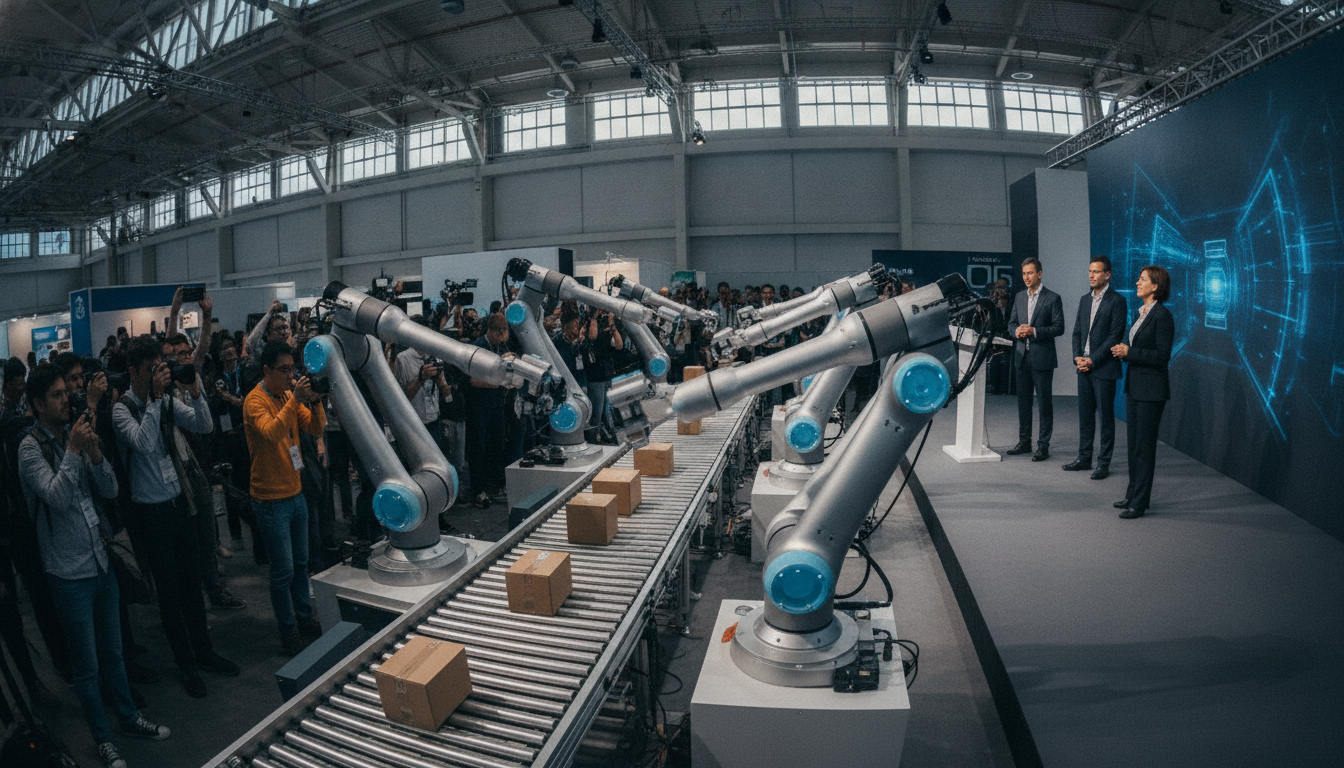
X Square Robot unveils parcel-sorting robot at World Robot Conference
X Square Robot demonstrated its parcel-sorting robot at the World Robot Conference in Beijing on Aug. 19, 2026.
Company representatives said the robotic arms can sort parcels inside warehouses at speeds that "approach" those of human workers.
The demonstration included multiple articulated arms working with camera-based vision systems to identify and pick packages.
Officials described the event as the public debut ahead of a planned commercial rollout that will begin soon in China.
Company describes testing and claimed performance
X Square Robot said the system has been through internal trials focused on varied package sizes and irregular shapes.
The startup emphasized sorting accuracy and cycle time as the primary performance metrics in its testing regime.
Company statements characterized the arms as capable of approaching human sorting speed while maintaining consistent output over extended periods.
Independent verification of throughput and long-term reliability was not disclosed at the event, and the company acknowledged further external trials will be needed.
Planned rollout and target customers
The startup indicated it will begin rolling out the parcel-sorting robot into warehouses in multiple phases later this year.
Initial customers are expected to include e-commerce platforms, third-party logistics providers and regional fulfillment centers seeking to boost sorting capacity.
X Square Robot said its deployment strategy prioritizes integration pilots with larger logistics operators to adapt the system to existing conveyor and tracking setups.
The company highlighted modular installation and software interfaces designed to reduce downtime during integration.
Operational benefits and cost considerations
Executives argued the robot arms can reduce physical strain on human workers while keeping sorting lines running for longer shifts.
They also pointed to potential gains in peak-period throughput and lower error rates for repetitive sorting tasks.
However, buyers will need to weigh upfront capital costs, ongoing maintenance and software updates against labor savings.
Warehouse managers will have to assess total cost of ownership, spare-parts logistics and predicted return on investment for different facility sizes.
Labour impact and workforce planning
The company framed the technology as augmenting human teams rather than replacing them, saying human oversight remains essential for exceptions and quality control.
Automation advocates say pairing robots with trained operators can raise productivity and improve working conditions by shifting staff away from repetitive manual handling.
Labor groups and some analysts, however, often warn that rapid automation can put downward pressure on low-skilled jobs in logistics hubs.
Experts suggest staged deployment, retraining programs and collaborative work designs to minimize negative effects on employment and workplace safety.
Safety, standards and regulatory oversight
Safety was a central theme during the showcase, with X Square Robot stressing built-in sensors, force-limiter features and automatic stop functions.
Representatives said the systems are designed to comply with prevailing workplace safety norms and to work alongside human operators in mixed environments.
Regulatory clearance, certification and long-term operational audits remain important steps before large-scale adoption, industry observers note.
Policymakers and standards bodies in major markets are likely to scrutinize integration practices, emergency controls and interoperability with warehouse management systems.
Competition and regional relevance for Japan
The parcel-sorting robot arrives in a market where logistics automation is expanding rapidly, with a range of startups and established manufacturers offering sorting and picking solutions.
For Japanese logistics firms, the new system may offer another option as they contend with rising e-commerce volumes and a tight labor market.
Adoption decisions in Japan will hinge on compatibility with local facility footprints, service and maintenance arrangements, and the availability of Japanese-language support.
Regional logistics networks that already use robotic cells could evaluate X Square Robot’s offering against existing systems on throughput, flexibility and lifecycle costs.
The deployment plans announced in Beijing signal growing international momentum for warehouse automation as companies pursue faster, more reliable parcel handling.
As X Square Robot moves from demonstrations to commercial installations, customers and regulators alike will be watching for independent performance data, safety records and the real-world economics of scaling robotic sorting across diverse facilities.

