
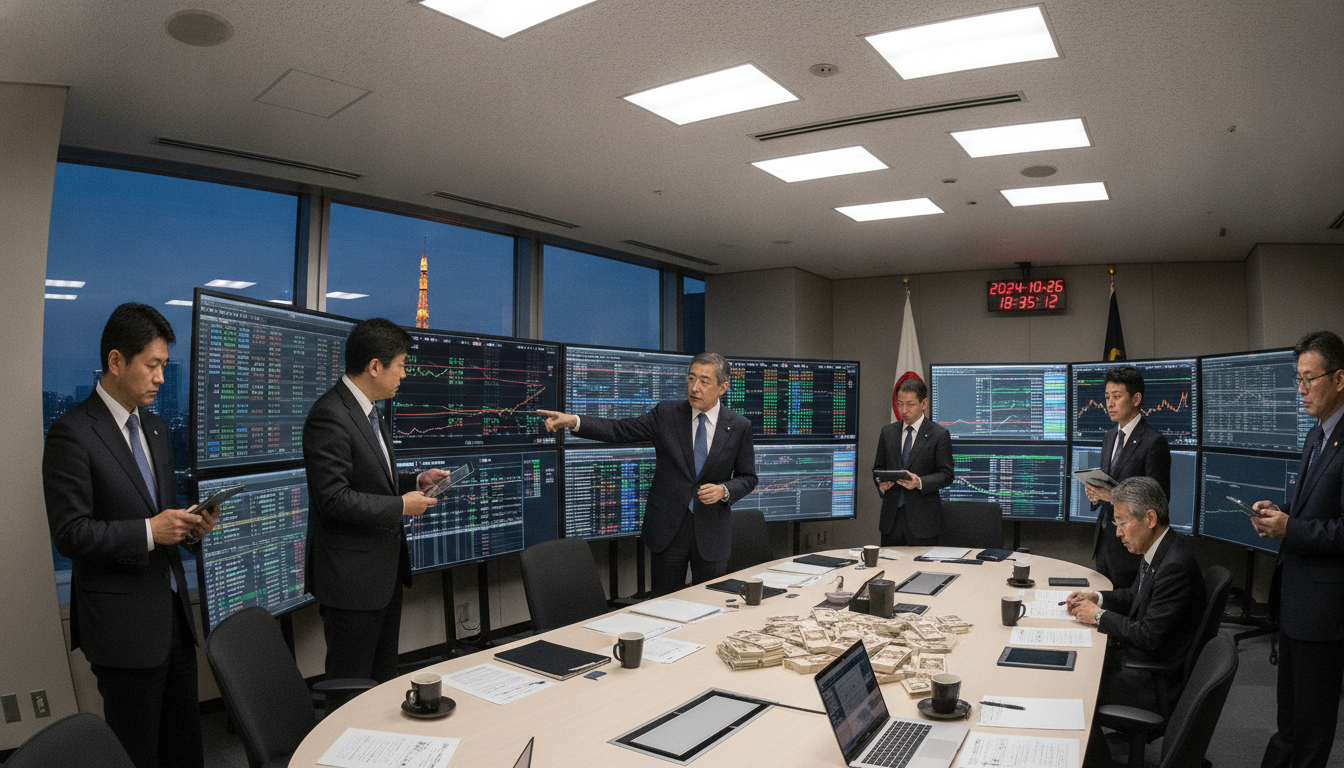
Japan currency intervention: Tokyo spent ¥15.39 trillion in largest single-round support
Japan’s currency intervention: Tokyo spent ¥15.39 trillion from July 30 to Aug 26 in the largest single-round support, part of $170bn in measures this year.
Japan’s currency intervention intensified this summer as the country’s currency authority announced it spent a record ¥15.39 trillion ($96.5 billion) to defend the yen between July 30 and Aug. 26. The Ministry of Finance disclosed the figure on Aug. 28, 2026, calling it the largest amount used in a single intervention round. The move forms part of two rounds of market support measures this year that together total approximately $170 billion.
Record single-round intervention
The Ministry of Finance reported the ¥15.39 trillion outlay as intervention activity aimed at stabilizing the yen amid heightened volatility. Officials said the spending covered operations conducted over the four-week span that began on July 30 and concluded on Aug. 26. The scale marks a departure from typical intervention levels and represents the most concentrated use of public funds in a single round on record.
Cumulative support this year
Tokyo has undertaken two distinct rounds of currency support in 2026, and authorities now place the combined total at roughly $170 billion for the year. That cumulative sum underscores the increased willingness of policymakers to deploy reserves to influence exchange-rate moves. Observers say the back-to-back rounds reflect sustained pressure on the yen from global capital flows and persistent interest-rate differentials.
Policy rationale and government objectives
Japanese authorities framed the interventions as targeted efforts to curb excessive depreciation and disorderly market moves that could harm households and businesses. Officials typically emphasize that interventions are defensive and aimed at ensuring orderly market functioning rather than setting a specific long-term exchange-rate level. The interventions also signal Tokyo’s readiness to act when rapid currency swings threaten economic stability, according to policy statements.
Market reaction and trading dynamics
Market participants reacted to the intervention data with heightened attention to intraday volatility and risk positioning in yen trades. Dealers noted that central-bank and ministry operations can have the most immediate impact when executed during stretched market conditions, though effects may be temporary if underlying global drivers persist. Analysts cautioned that large-scale interventions can calm markets in the short term but do not substitute for structural shifts in capital flows or interest-rate differentials.
Implications for foreign reserves and fiscal planning
Deploying¥15.39 trillion in a single round raises questions about the management of foreign-exchange reserves and the fiscal implications of repeated interventions. While Japan holds substantial reserves, sustained large outlays could complicate balance-sheet planning and necessitate careful accounting in public finances. Budgetary and fiscal authorities will likely monitor the pace of reserve depletion and weigh the costs of future interventions against their market-stabilizing benefits.
International context and policy coordination
Tokyo’s stepped-up activity occurs against a backdrop of global monetary policy divergence and elevated cross-border capital movements. The growing scale of interventions highlights the limitations governments face in steering exchange rates when capital is highly mobile and major central banks maintain divergent paths. Some international counterparts and markets will scrutinize Tokyo’s actions for signs of bilateral coordination or for broader implications on trade competitiveness and global financial stability.
Authorities have not indicated any immediate plans for a new intervention round beyond the period ending Aug. 26, but they have signaled readiness to act if market conditions warrant further support. Economists say the decision to intervene typically combines assessment of short-term volatility, potential spillovers to inflation and corporate cash flows, and the durability of external pressures on the currency.
Domestic stakeholders, including exporters and importers, are likely to watch subsequent developments closely as exchange-rate swings influence profit margins, import costs, and consumer prices. The interventions aim to mitigate abrupt moves that could amplify input-cost swings for businesses and households, yet companies also must manage operational exposure to a persistently volatile currency environment.
Looking ahead, market participants will focus on commentary from the Ministry of Finance and the Bank of Japan for signals about the likely frequency and scale of future interventions. Any change in monetary policy settings abroad or sudden shifts in risk appetite could prompt renewed activity, and investors will price in the potential for further state-backed operations. The outcome will shape how both domestic and international investors judge yen-related risk in the coming months.
Tokyo’s record single-round intervention underscores the challenges authorities face in influencing exchange rates amid robust cross-border capital flows and uneven global monetary conditions. The Ministry of Finance’s disclosure on Aug. 28, 2026, completes the latest public accounting of the measures, but markets will remain attentive to any further steps that Tokyo may take to preserve financial stability.

