
Sri Lankan tea plantation workers confront shrinking incomes, rising costs and scant public services
Sri Lankan tea plantation workers are confronting a worsening squeeze as low pay, rising living costs and limited access to basic services threaten household livelihoods in the hill country.
Daily routine on the slopes
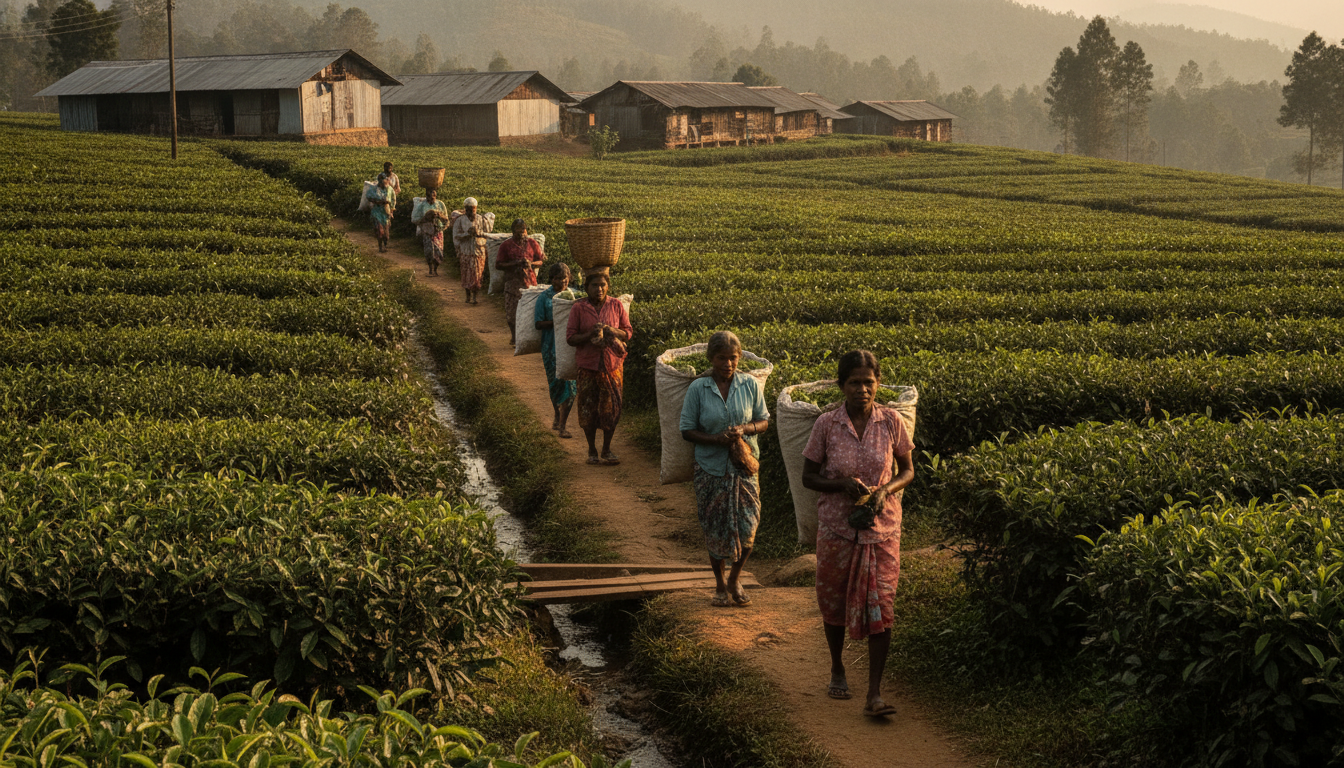
Before dawn, workers in Sri Lanka’s central highlands begin long days that blend physical labour with household care. Many, especially older women, climb steep plantations to pluck tea leaves by hand, often returning home with modest daily earnings. The work is seasonal and weather-dependent, leaving families vulnerable to fluctuations in output and income.
Tea pluckers say their days start while the hills are still misted, and tasks continue until late afternoon when yields dictate. The physical demands are intensified by an aging workforce in some estates, where younger generations increasingly seek alternative work outside the plantations.
Wage levels and household pressures
Wage rates for plantation labourers remain a central concern for workers and community advocates. Earnings often fall short of covering rising prices for food, fuel and housing, forcing many households to tighten budgets or seek informal credit to meet basic needs. This income gap contributes to deteriorating living standards and heightened financial stress across the estate communities.
Household coping strategies include reducing school-related spending and delaying medical care, residents report, which can have longer-term consequences for health and human capital. Seasonal fluctuations in harvests also create periods of acute hardship when pay drops and expenses remain constant.
Access to services and basic infrastructure
Limited access to essential services compounds economic strain for tea estate families. Many plantation communities face shortfalls in clean water supply, sanitation, reliable electricity and healthcare facilities, all of which affect daily life and public health. Poor road connections and long travel times to clinics and schools further isolate workers and raise the cost of accessing basic services.
The lack of robust infrastructure also hampers children’s education, with families sometimes unable to afford transport or school materials. These deficits highlight gaps between the economic value of tea production and the living conditions in which many labourers reside.
Historical roots of current inequality
The challenges confronting plantation labourers are rooted in a long history that includes migration of India-origin Malaiyaha Tamils to Sri Lanka’s estates. Generations of families have worked in the same plantations, inheriting both cultural ties and structural disadvantages tied to land tenure and labour systems. That historical legacy continues to shape social and economic outcomes for many communities in the up-country regions.
Community leaders and historians note that patterns of marginalization are reinforced by limited access to land ownership, limited social mobility and uneven investment in estate areas. These historical dynamics complicate efforts to introduce reforms aimed at improving living conditions and incomes.
Voices for reform and industry response
Unions, community groups and civil society organizations have intensified calls for better pay, improved social services and targeted investment in plantation areas. Advocates argue that addressing wages, housing and infrastructure would not only improve lives but also stabilize the workforce for plantations reliant on consistent harvest labour. Their appeals emphasize policy measures and private-sector commitments to lift standards on the estates.
Industry representatives acknowledge operational and cost pressures facing estate managers, and point to initiatives aimed at productivity, certification and quality improvements. Buyers in international markets have also raised concerns about labour conditions and sustainability, increasing scrutiny of supply chains and prompting some producers to explore reforms.
Economic stakes for the tea sector and export markets
Sri Lanka’s tea sector remains an important contributor to export earnings, and disruptions in labour supply or a deterioration in living conditions could carry wider economic implications. International buyers increasingly evaluate social and environmental practices when sourcing, which may affect demand and pricing for tea from estates that fail to meet evolving standards. Improving conditions on plantations could therefore have direct business benefits alongside social gains.
Policymakers face the challenge of balancing competitiveness with the need to improve wages and services, while estate operators must weigh short-term costs against long-term viability. The pathway chosen by stakeholders will influence both the livelihoods of workers and the resilience of a sector that has global reach.
For many workers, the immediate needs are practical: predictable pay, better access to water and health care, and support for children’s schooling. How quickly and effectively these demands are addressed will shape life in the tea-growing highlands for years to come.

