
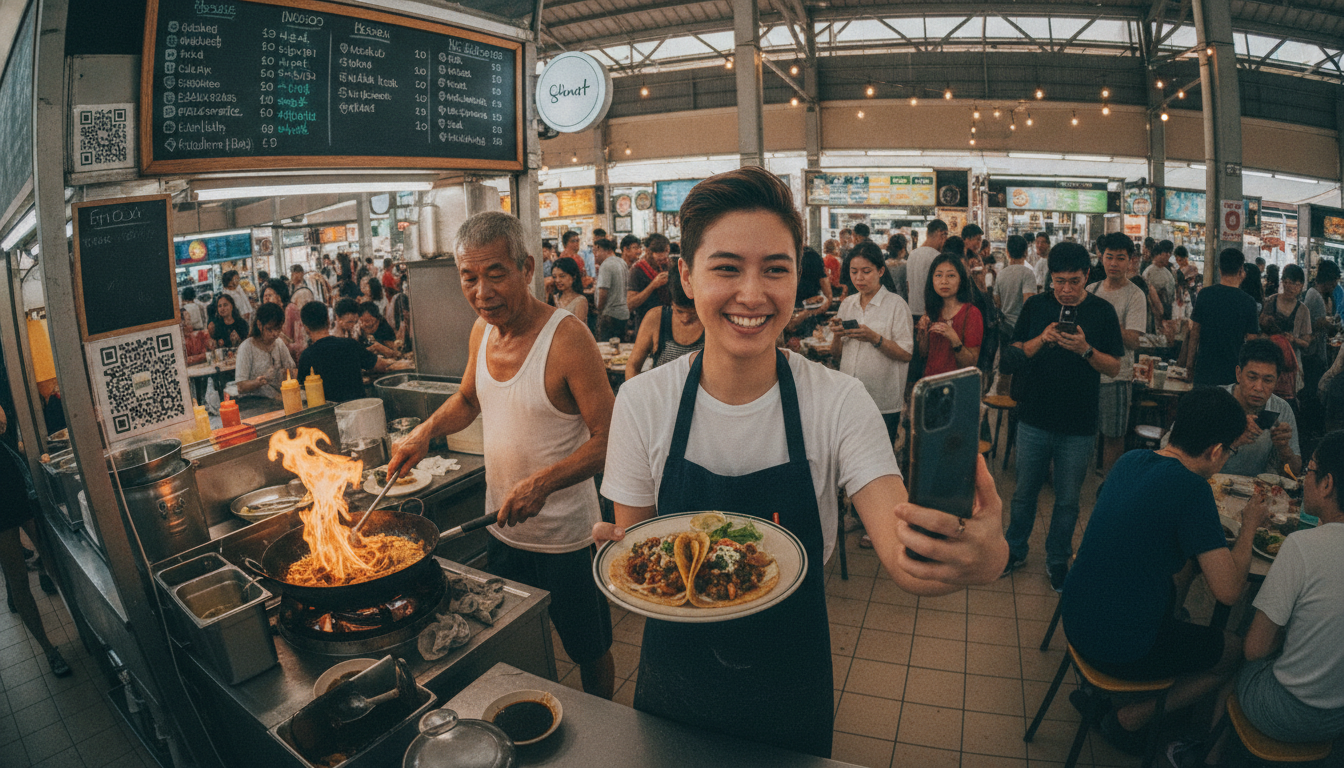
Young hawkers reshape Singapore’s hawker scene with global flavors and digital savvy
Young hawkers in Singapore are transforming the traditional hawker trade, blending global flavors with social media and modern techniques to attract new customers and sustain family businesses.
The rise of young hawkers is visible at crowded food centers where new-generation cooks serve reimagined classics alongside novel dishes. Small teams and family-run stalls are adopting smartphones, cashless payments and delivery platforms to reach broader audiences. Established names such as Heng Kee Fishball and Yong Tau Fu now share counters with newcomers who market their stalls directly online.
New generation balances tradition and innovation
Young operators often arrive with deep respect for traditional recipes while introducing contemporary methods to improve consistency. Apprenticeship under veteran hawkers remains common, and many entrants learn by working long hours beside older relatives before taking over or opening their own stalls. This blending of mentorship and modern management helps preserve culinary technique even as menus evolve.
Younger hawkers are also experimenting with production methods that reduce physical strain and increase output. Investments in better refrigeration, adjusted workflows and simple mechanization allow small teams to serve more customers without compromising quality. These changes make the trade more sustainable for cooks who want to avoid the sole proprietorship model that dominated previous generations.
Social media expands reach and reshapes demand
Platforms such as short-form video sites and photo-driven networks have become the shopfronts for hawker stalls. Many young hawkers post behind-the-scenes clips, menu updates and customer reactions to build followings and create repeat business. A single viral post can transform a quiet stall into a lunchtime hotspot, giving newcomers a fast route to visibility that older hawkers relied on word of mouth to achieve.
Digital marketing also changes expectations around presentation and storytelling. Young owners curate dish photography and share origin stories tied to family or travel, which helps justify premium prices and attracts a more diverse clientele. The result is a more fluid market where trends can appear and fade rapidly, but where nimble operators are rewarded for creativity.
Culinary fusion and global influences appear on menus
Menus have broadened as young hawkers incorporate regional and international flavors into local staples. Traditional items such as fishball noodles and yong tau fu are served alongside variations that reflect Southeast Asian spices, fusion sauces or vegetarian adaptations. This diversification draws customers seeking novelty while keeping core dishes accessible to longtime patrons.
Innovation often focuses on ingredient sourcing and seasoning rather than wholesale reinvention, ensuring that the essence of hawker food remains recognizable. Experimentation has also led to more options for dietary preferences, including plant-based and gluten-conscious choices that attract office workers and younger diners with varied tastes.
Economic pressures push innovation and new business models
Rising costs, labor shortages and long operating hours continue to weigh on hawkers, prompting young entrants to seek scalable solutions. Many adopt part-time staff arrangements, rotate shifts, or pair physical stalls with pop-up events to increase revenue without overextending personnel. Delivery platforms and pre-order systems help smooth demand and reduce waste, improving margins for small teams.
At the same time, some young hawkers partner with nearby businesses or share kitchen space to reduce overheads. Cooperative models and short-term stall rentals make it easier for newcomers to test concepts before committing to a full-time hawker unit. These pragmatic approaches enable more experimentation while controlling financial risk.
Training, family ties and the path to ownership
Family connections remain a common route into the trade, with sons and daughters stepping in to sustain legacy stalls. Young hawkers who inherit businesses often modernize operations while preserving signature recipes, balancing customer expectations with contemporary labor practices. For those without family ties, mentorship programs and small-business courses offer practical skills in food safety, accounting and marketing.
Institutions and community groups have started offering workshops and networking opportunities aimed at prospective hawkers. These resources help newcomers navigate licensing requirements and the regulatory landscape while promoting best practices in hygiene and workplace safety. The resulting mix of formal training and on-the-job learning contributes to a more resilient workforce.
Young hawkers are not only sustaining a beloved culinary tradition; they are reimagining how hawker food is produced, marketed and experienced. As digital tools, culinary curiosity and practical business strategies converge, the hawker centers of Singapore are evolving into more diverse, resilient marketplaces that reflect changing tastes and lifestyles.

