
SoftBank-Backed Gas-Fired Power Plant Draws Mixed Reaction in Waverly as It Aims to Power AI Data Center
Residents and officials expressed concerns and questions about the SoftBank-backed gas-fired power plant proposed for Waverly, Ohio, at a public meeting, as the 770-acre project intended to power an AI data center advances through early review.
Community Reaction at Public Information Meeting
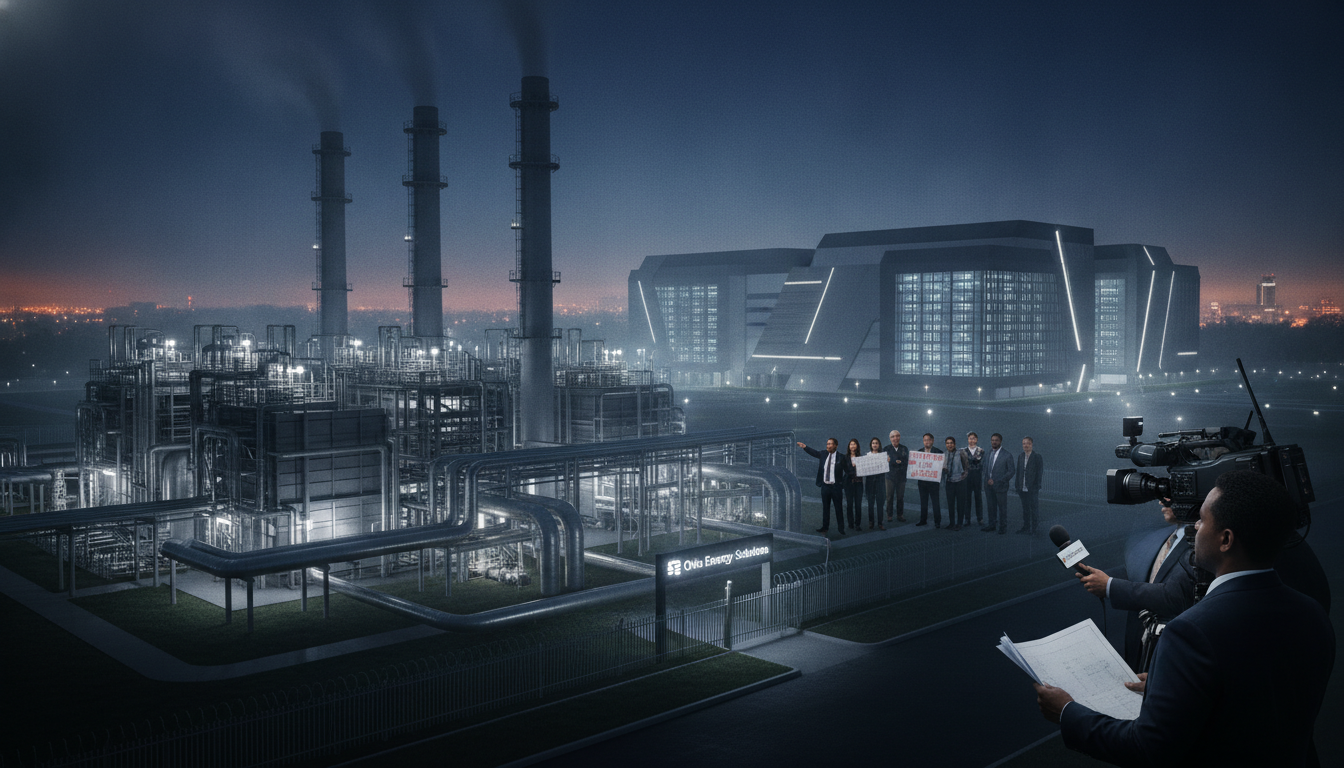
A public information meeting in Waverly drew a mix of curiosity and caution from local residents about the SoftBank-backed gas-fired power plant project. Attendees asked detailed questions about the project’s footprint, timeline and potential impacts while few voiced outright opposition during the session. Organizers reported that many residents were ambivalent, weighing possible local economic benefits against environmental and quality-of-life concerns.
Scope and Scale of the Proposed Facility
The developer has outlined plans for a 770-acre natural gas-fired generating complex that, if built as described, would be among the largest of its type in the United States. Project proponents say the facility is designed primarily to supply power to a nearby AI data center, a growing energy-intensive sector that has prompted new generation and transmission proposals nationwide. The size and intended output of the plant have intensified scrutiny from neighbors and regional planners alike.
Connections to AI Data Center Needs
Officials presenting at the meeting framed the project as a response to the steady rise in electricity demand from large-scale AI operations. Data centers running advanced artificial intelligence workloads require continuous, high-capacity power, and proponents argue that on-site generation can improve reliability for those facilities. Residents pressed presenters on why alternatives such as renewables, grid upgrades, or energy storage were not being prioritized to meet the same needs.
Environmental and Health Questions Raised
Environmental concerns were prominent at the session, with residents seeking information on emissions, water use, and local air quality effects tied to a new gas-fired plant. Local advocates asked about projected greenhouse gas output, mitigation measures and monitoring plans that would accompany construction and operation. Officials indicated that environmental reviews and permitting processes would address many of those questions, but acknowledged that specifics remain to be finalized.
Economic Promises and Local Impact
Supporters of the project highlighted potential economic benefits, including construction jobs, tax revenue and increased local business activity during the build phase. Some residents said they welcomed new employment opportunities while asking for commitments to hire locally and to support community services. Skeptics countered that short-term construction gains must be balanced against long-term environmental costs and the potential strain on local infrastructure.
Regulatory Steps and Uncertain Timeline
The project must navigate a sequence of local, state and federal approvals before construction can begin, and presenters at the meeting outlined a multi-stage permitting and review process. Officials emphasized the need for environmental assessments, air permitting, and coordination with regional grid operators to ensure reliability and compliance. No definitive construction start date was given, leaving timelines for completion and operation uncertain for area residents.
Public Records and Further Engagement
Organizers provided materials and encouraged residents to submit comments to the permitting agencies during the open review period. Local officials signaled their intent to hold additional sessions and to make technical documents available to the public as they are finalized. Residents and civic groups have indicated they will monitor filings and may engage consultants or legal counsel to assess environmental and regulatory filings.
As the proposal moves from early outreach into formal review, the debate in Waverly reflects broader tensions playing out across communities facing large energy projects tied to data centers. Questions about emissions, alternatives and local benefits remain central to public discussion, and decisions by regulators and project leaders in the coming months will shape whether and how the plant proceeds.

