
Osaka Gas launches basic design for U.S. e-methane plant to supply Japan
Osaka Gas begins basic design of a U.S. e-methane facility to produce synthetic methane from hydrogen and CO2, aiming for shipments to Japan in fiscal 2030.
Project launch and immediate goal
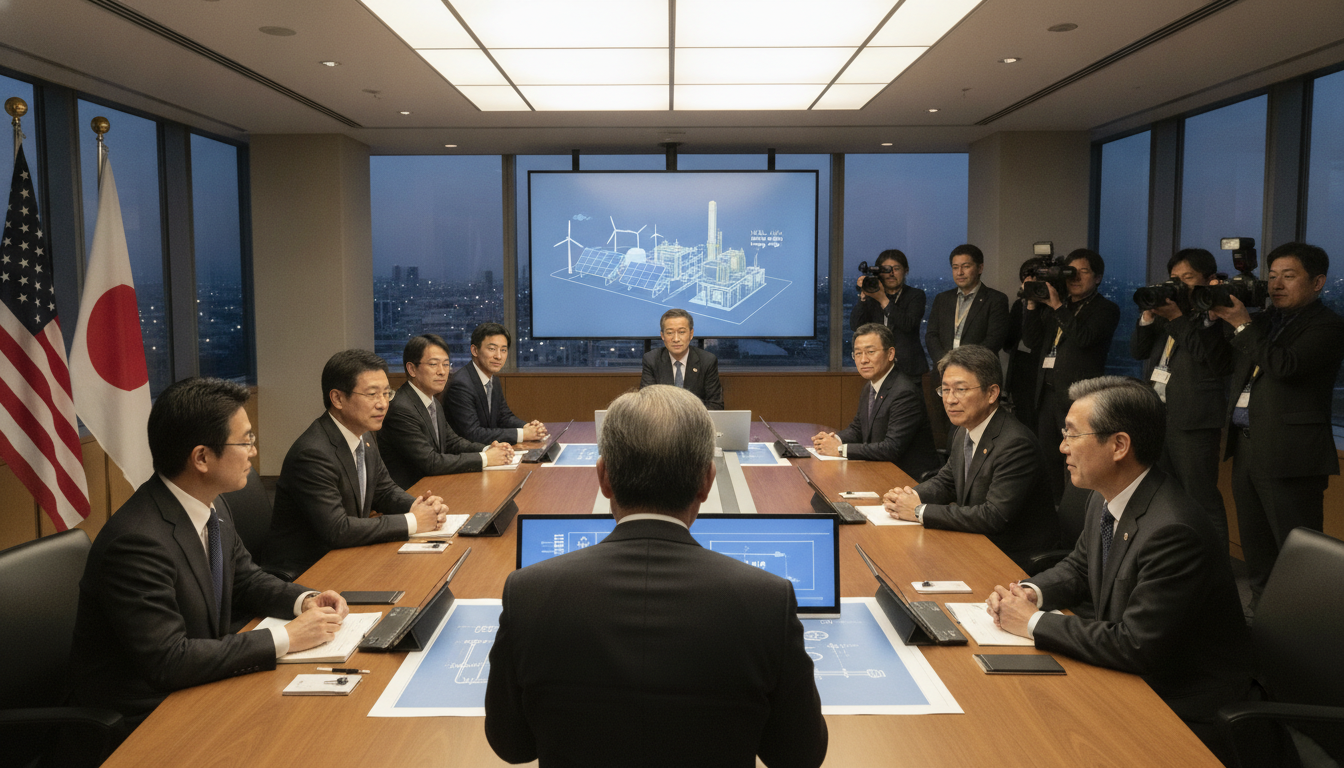
Osaka Gas announced on August 28, 2026 that it has started basic design work on a proposed U.S. facility to produce e-methane, a synthetic alternative to conventional natural gas. The project is intended to combine renewable electricity, green hydrogen and captured CO2 to create a carbon-neutral fuel that can be transported to Japan. Company statements say the plant is being developed with the explicit goal of exporting e-methane to the Japanese market and supporting domestic energy decarbonization targets. Osaka Gas has set an ambition to begin shipments from the United States to Japan in fiscal 2030.
How the e-methane process is expected to work
The planned facility will synthesize methane using hydrogen produced from renewable-powered electrolysis and CO2 captured from industrial sources or the atmosphere. This approach — often called power-to-gas or e-fuel production — aims to produce a drop-in fuel compatible with existing gas networks and end-user equipment. By recycling CO2 into a methane molecule, proponents say the lifecycle emissions can be substantially reduced if the hydrogen input and power supply are low-carbon. Osaka Gas describes e-methane as a renewable-energy-assisted alternative to natural gas that could leverage existing liquefaction and shipping infrastructure.
Export strategy and timeline to Japan
Osaka Gas is positioning the U.S. facility as a supply point for exports targeted at Japanese utilities and industrial buyers. The company forecasts the project will support imports beginning in fiscal 2030, offering an alternative to conventional LNG shipments sourced from fossil reserves. Developing overseas production capacity is part of a broader strategy by some Japanese energy companies to diversify import sources while advancing decarbonization goals. Shipping synthetic methane in liquefied or carrier forms would require coordination with terminals, midstream operators and regulators in both the United States and Japan.
Market context and domestic policy drivers
Japan remains heavily reliant on imported fossil gas, and government energy policy has increasingly emphasized low-carbon alternatives and hydrogen strategies. E-methane and other synthetic fuels have gained attention as potential transitional options, since they can, in principle, use existing downstream infrastructure while lowering lifecycle emissions. Utilities and industrial consumers in Japan are exploring supply contracts and pilot projects to assess cost, availability and compatibility with national emissions targets. Osaka Gas’s move reflects growing private-sector interest in securing long-term low-carbon fuel supplies amid tighter climate commitments.
Commercial, technical and regulatory challenges
Scaling e-methane to commercial volumes faces several hurdles, including high production costs tied to electrolysis and carbon capture, competition for renewable power, and the need for robust supply chains. Producing hydrogen at the scale required for large methane volumes demands significant renewable electricity capacity and electrolyzer deployment. Additional complexities include sourcing sustainable CO2, ensuring transparent accounting of emissions across the supply chain, and adapting terminal and shipping arrangements for a new type of import. Regulatory alignment between origin and destination countries will also be necessary to certify carbon credentials and settle trade rules for synthetic fuels.
Industry reaction and possible partners
Energy firms, technology providers and engineering contractors typically play key roles once projects enter basic and detailed design phases. While Osaka Gas has announced the design start, the company has not disclosed all project partners or the plant’s planned capacity in its initial statement. Market observers expect future disclosures to detail collaborators on electrolysis, carbon management and logistics, as well as potential offtake arrangements with Japanese buyers. Interest from financial and industrial partners will hinge on commercial viability, policy incentives and measurable lifecycle-emission reductions.
Next steps and project milestones
With basic design underway, the project will move into more detailed engineering, regulatory permitting and financing stages before construction can begin. Critical near-term milestones include finalizing technology selections, securing renewable power and hydrogen supply agreements, and establishing carbon sourcing or capture arrangements. Osaka Gas will need to navigate planning and environmental approvals in the host U.S. jurisdiction and align export logistics with Japanese terminal operators. Progress during the design phase will shape the likelihood of meeting the company’s fiscal 2030 shipping target.
Osaka Gas’s announcement marks a concrete advance in efforts to commercialize synthetic methane as part of Japan’s low-carbon energy transition, but the path to large-scale, cost-competitive exports will require coordinated action across technology, policy and industry partners.

