
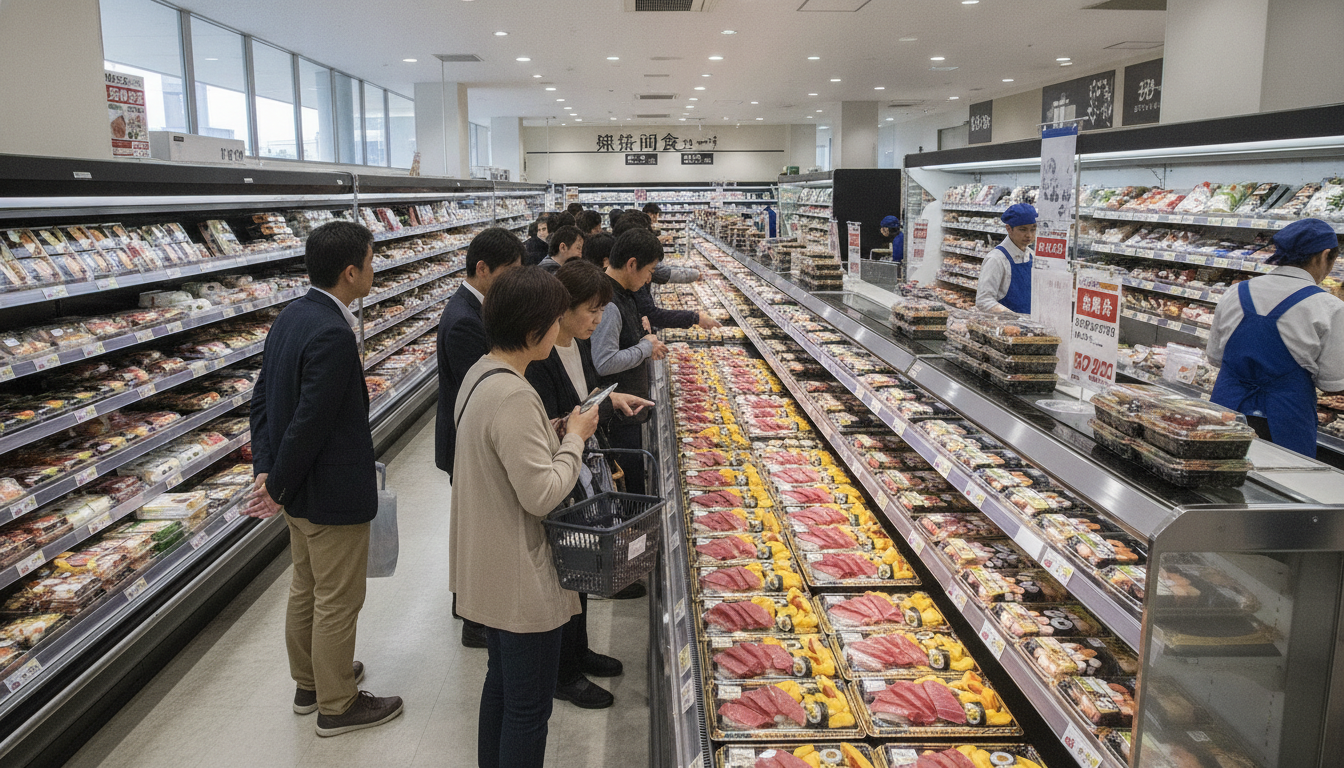
Fish and fruit pairings gain traction in Tokyo as supermarkets and sushi bars mix tuna with mango and salmon with peach
Tokyo supermarkets and sushi bars are embracing fish and fruit pairings — from tuna-and-mango rolls to peach-topped salmon — to reinvigorate seafood interest and offer colorful, refreshing options.
Supermarkets roll out tuna-and-mango sushi
Tobu Store began testing laver-wrapped sushi rolls combining minced tuna, green onion and mango at select outlets in late June, and expanded the product to more than 40 stores from August. The retailer’s buyer said the move was driven by a desire to create visually appealing, affordable items amid tightening supplies and higher prices for certain seafood such as saury and squid. Customers have described the combination as original and surprisingly harmonious, the buyer added, helping the item sell steadily at urban locations. The product’s bright presentation and chilled texture have appealed to shoppers looking for convenient, seasonal meals.
Sushi chefs experiment with salmon and peach
In Shibuya, a sushi restaurant that initially introduced a nigiri topped with land-raised Yakuzen Salmon and peach simmered in red vinegar for foreign visitors has seen the dish win wider acceptance. The restaurant manager said the oily richness of the salmon pairs well with the sweet-acid nuance of the peach, prompting the item’s inclusion on the regular menu for Japanese patrons. Chefs say the contrast in texture and the striking color contrast are part of the appeal, lending a modern twist to traditional sushi techniques. The experiment reflects a broader curiosity among chefs about using fruit to balance or brighten familiar fish flavors.
Retailers point to supply pressures and price signals
Retail buyers and store officials linked the surge in fish-and-fruit pairings to recent market pressures that have made some common seafood more expensive or scarce. Faced with higher costs for seasonal species, retailers said they have been seeking product concepts that use alternative ingredients while still offering a seafood anchor. Creating new combinations with fruit allows stores to keep shelf prices competitive and to market novelty without relying solely on premium catches. For many retailers, the strategy is also a way to differentiate offerings in crowded urban grocery markets where presentation and convenience drive weekday purchases.
Home cooks and online recipes expand the trend
Beyond retail and restaurants, home cooks and recipe sites have proliferated pairings that marry fish with fruits such as melon, orange and grapefruit. Popular online recipes include tuna carpaccio dressed with melon, red sea bream served with orange segments, and yellowtail paired with grapefruit. Cooking influencers and recipe platforms often highlight simple vinaigrettes, citrus reductions or pickled fruit as ways to introduce acidity and color to fish dishes. The online buzz has helped normalize the combinations, making them feel less like culinary provocation and more like accessible ways to refresh weeknight menus.
Industry hopes novel pairings will attract younger consumers
Fish industry officials worry about a long-term decline in seafood consumption, especially among younger demographics, and view inventive presentations as one tool to reverse the trend. A fish market official said pairing fish with fruit can create novelty and visual flair that draws attention and encourages trial among people who might otherwise opt for other proteins. Retailers and restaurants are guiding customers through tasting notes and limited-time launches to lower the barrier to trying unfamiliar combinations. If successful, the approach could broaden demand for a wider range of species and support more resilient supply chains.
Fish and fruit pairings are being positioned not just as culinary novelties but as pragmatic responses to market shifts, offering retailers, chefs and consumers new ways to enjoy seafood. The trend taps into a preference for colorful, shareable dishes and for tastes that balance richness with bright, acidic elements. For Tokyo shoppers and diners, the combinations represent both a seasonal indulgence and a potential pathway toward sustaining broader fish consumption in a changing market.

