
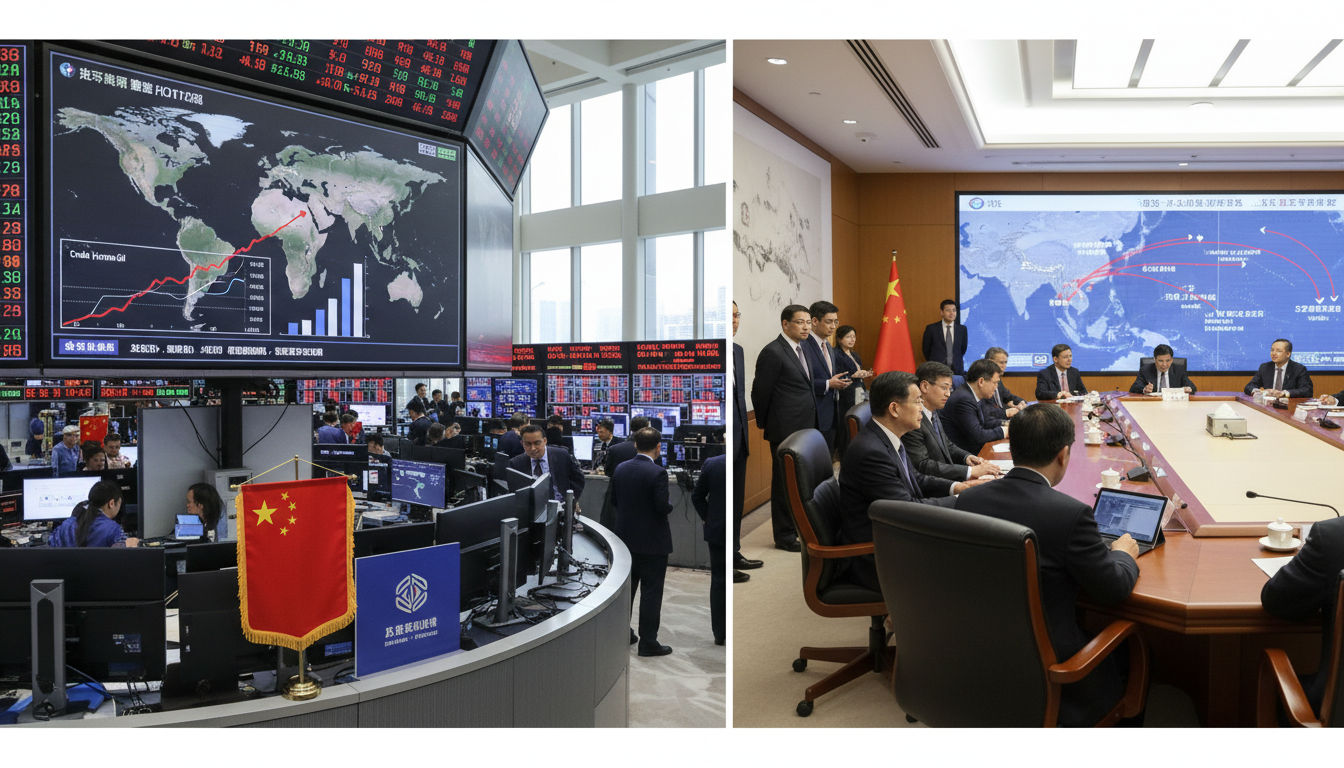
Strait of Hormuz closure reverberates across Asia as oil prices and shipping face acute disruption
Strait of Hormuz closure sends shockwaves through Asian economies as shipping firms suspend Gulf transits and energy markets contend with supply shocks and geopolitical realignment.
Strait of Hormuz effectively closed after U.S.-Israeli strikes
The Strait of Hormuz closure followed coordinated U.S. and Israeli strikes on Iranian targets that began in late February, prompting Tehran to warn vessels that the waterway was unsafe for navigation. (spglobal.com)
The closure has been implemented through a combination of Iranian naval warnings and attacks that have deterred commercial traffic, leading to significant uncertainty about whether and when normal transit will resume. The disruption has forced governments and firms to reassess routes and contingency plans for energy imports.
Asian oil prices and consumer pressure
Brent and other benchmark crude prices surged in the immediate aftermath of the shutdown, reflecting traders’ fears that lost Gulf exports would tighten global supply and push fuel costs higher for importing countries. Markets later ebbed and flowed with diplomatic developments, but the episode left Asian energy buyers exposed to significant price volatility. (theguardian.com)
Higher wholesale fuel costs have translated into domestic strains across the region, where many economies maintain limited strategic reserves and rely heavily on Middle Eastern crude. Policymakers in importer states have scrambled to temper inflationary effects while seeking alternative suppliers and emergency measures to protect vulnerable households.
Japanese carriers suspend Gulf transits
Major Japanese shipping and logistics companies, including domestic lines with long histories of Gulf operations, announced suspensions or rerouting of vessels bound for or passing through the Strait of Hormuz after reports of missile and drone strikes. This move reflects both safety concerns and insurance and regulatory pressures facing operators in the region. (spglobal.com)
The withdrawal of commercial capacity from the corridor has compounded delays and increased freight costs, particularly for energy shipments and time-sensitive goods. Companies have begun exploring longer routes around Africa or through northern passages where feasible, though such options add transit time and expense.
U.S. naval operations and blockade measures
In response to the closure, the United States has bolstered naval patrols and implemented measures described by officials as efforts to protect commercial traffic, including escorted transits and a temporary blockade aimed at constraining Iranian maritime operations. The effort has heightened tensions and complicated coordination with regional partners. (washingtonpost.com)
Washington’s actions are framed as attempts to keep critical shipping lanes open to international trade, but they have also intensified diplomatic friction and prompted legal and strategic debates over the legitimacy and risks of unilateral maritime enforcement measures.
Beijing’s diplomatic posture and economic leverage
China has intensified its diplomatic engagement and economic positioning amid the crisis, leveraging long-standing energy ties with Iran and opportunities to offer alternative arrangements to energy-hungry Asian customers. Analysts have noted Beijing’s readiness to fill gaps created by market dislocation and to assert greater influence over regional energy architectures. (chathamhouse.org)
Beijing’s approach has included diplomatic calls for keeping the strait open for normal passage while deepening commercial relationships that could shield certain buyers from market shocks. The balance between projecting influence and avoiding deeper security entanglement is shaping China’s response.
Regional security alignments and policy responses
Governments across the Indo-Pacific are recalibrating security and energy policies in real time, with some strengthening maritime cooperation while others accelerate diversification of supply sources. Tokyo, Canberra and several Southeast Asian capitals have publicly warned of the “enormous impact” the disruption has on the Asia-Pacific and are pursuing both short-term mitigations and longer-term resilience measures. (aljazeera.com)
Options under consideration include joint convoy arrangements, expanded strategic petroleum reserves, accelerated procurement from non-Gulf suppliers, and investments in alternative overland and northern sea routes. Each option carries trade-offs in cost, timing and geopolitical exposure.
The prolonged closure of the Strait of Hormuz has underscored the vulnerability of global energy networks to localized conflict and has prompted urgent discussions among Asian policymakers, businesses and analysts about how to insulate consumers and economies from similar shocks in the future.

