
Philippine rice output at risk as farmers face fertilizer, fuel and El Niño pressures
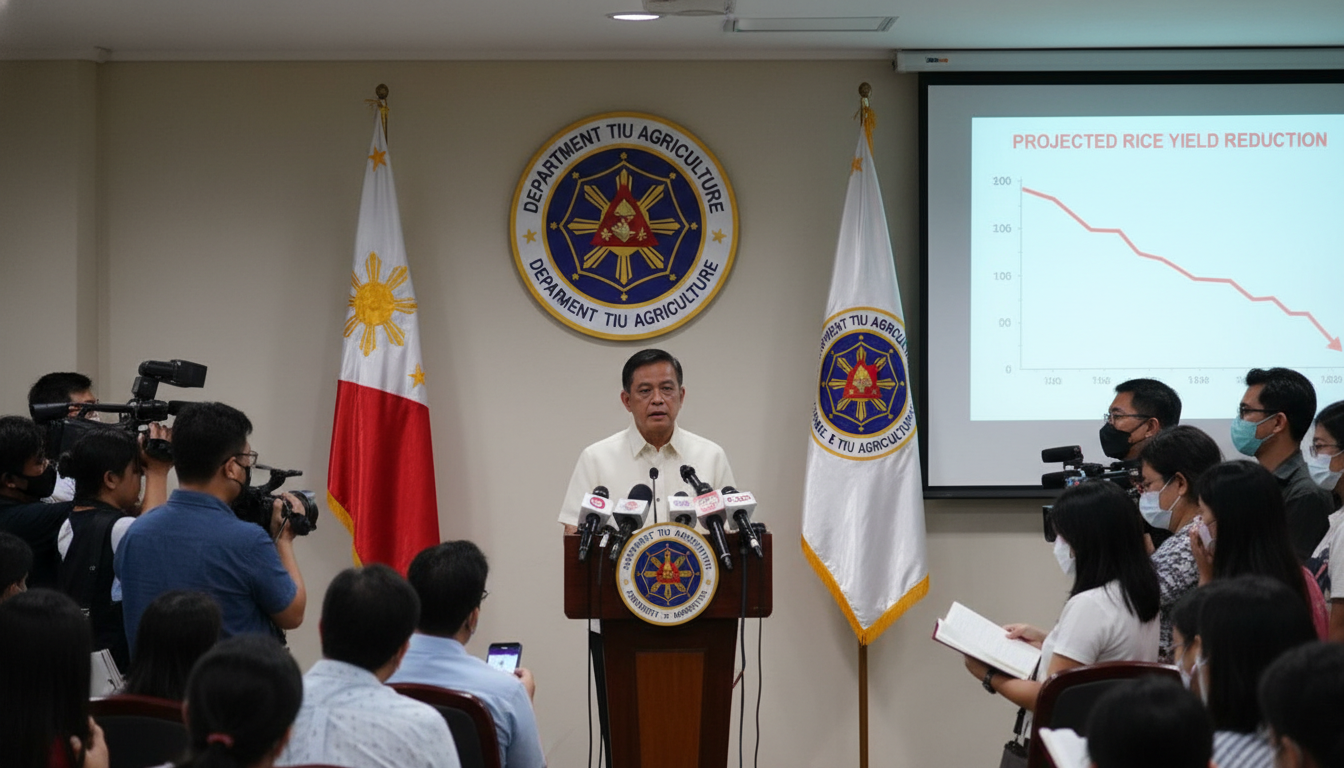
Philippine rice output could fall sharply this year as rising fertilizer and energy costs compound the threat from El Niño, the Agriculture Department warns, heightening concerns over food security and farmers’ mounting debts.
Elvira Fadriquelan, a 60-year-old rice farmer in Lubao, Pampanga, represents many smallholders watching costs outstrip returns as fields sit at the back of family homes and debts grow. The Agriculture Department has warned that output could halve this year if the government does not intervene, a prospect that would reverberate through domestic markets and rural livelihoods. Policymakers, farm groups and local governments are weighing emergency measures even as farmers prepare for an unpredictable planting season.
Agriculture Department issues stark warning on output
The Agriculture Department said that, without targeted action, national rice output may fall by as much as half this year, a projection that has focused attention on immediate policy options. Officials cited a combination of higher input costs, constrained supplies and adverse weather risks as drivers of the projected decline. The warning has prompted emergency meetings with regional officials and calls for rapid distribution of support to the most vulnerable provinces.
Analysts note that the projection is conditional: timely subsidies, import adjustments or distribution of inputs could blunt the worst outcomes. Nevertheless, the statement has already raised alarm among consumer groups and markets tracking staple food availability.
Fertilizer and energy costs squeeze farmers’ margins
Across Central Luzon and other rice-producing regions, farmers say fertilizer and fuel bills have surged, reducing profit margins or eliminating them altogether. Many smallholders depend on nitrogen-based fertilizers and diesel for irrigation pumps, and price jumps translate directly into higher production costs. Farmers like Fadriquelan report choosing smaller planting areas or delaying inputs because they cannot afford both fertilizer and fuel.
Local input suppliers confirm tighter inventories and higher import-related costs, which are passed on to growers. For tenant farmers and smallholders with limited savings, the timing of payments and loans leaves them exposed to both price volatility and potential crop failure.
El Niño heightens planting risks and water shortages
Meteorological forecasts point to a heightened risk of El Niño conditions developing during the planting window, which would reduce rainfall in key production months and increase irrigation demand. Reduced rainfall could force farmers to shift varieties, shorten growing cycles or skip a planting altogether, decisions that lower aggregate output. Regions dependent on rain-fed production are particularly vulnerable, while irrigated areas face higher pumping costs.
Agricultural experts warn that El Niño’s impact will be uneven, compounding existing financial pressures and potentially concentrating losses among already marginal producers. Contingency planning for seed distribution and water management is now a priority for provincial agricultural offices.
Rural debt and household vulnerability are rising
The combination of higher costs and climate risk is pushing many households deeper into debt, with informal credit and advance purchases from traders becoming more common. Farmers who live adjacent to their fields, once a buffer against market shocks, now find home and work inseparable amid mounting financial strain. Reduced incomes may curtail spending on health, education and farm investments, with long-term implications for rural development.
Cooperatives and microfinance institutions report increasing loan requests for seasonal inputs even as repayment rates deteriorate in some areas. Observers warn that sustained credit stress could accelerate farm abandonment or consolidation, altering the structure of Philippine rice agriculture over time.
Government options and immediate relief measures under consideration
Policymakers are considering a mix of short-term relief and medium-term reforms to stabilize supply and protect farmers’ incomes. Possible measures include targeted fertilizer subsidies, emergency cash transfers, fuel assistance for irrigation, expedited imports to ease local shortages, and accelerated distribution of drought-tolerant seed varieties. Officials are also evaluating loan moratoriums for the most affected municipalities.
Trade policy adjustments, such as temporary tariff changes or streamlined import licensing, could be used to increase rice availability quickly, though such moves carry fiscal and market implications. Agricultural economists stress that any intervention should be transparent, targeted and coupled with monitoring to avoid market distortions.
Market and consumer implications if output declines
A drastic fall in Philippine rice output would likely push retail prices higher and widen the trade gap as import volumes increase, with consequences for inflation and household budgets. Urban consumers, who spend a significant share of income on staples, would feel the impact rapidly. Food security advocates warn that price shocks could exacerbate malnutrition risks among low-income families.
Private traders and millers are already reassessing inventories and procurement plans, while some retailers are adjusting shelf prices in anticipation of tighter supply. The pace and scale of government response will be critical in determining whether shortages translate into prolonged price spikes.
Smallholder farmers like Fadriquelan face an uncertain season ahead, balancing the need to plant against the costs of doing so and the weather that will ultimately determine yields. Immediate, targeted action by authorities could avert the most severe production losses, but time is short as planting windows and El Niño risks converge.

