
Nerima mayoral election: Koike-backed Kohei Ojima cites youth, party endorsements and late campaign as causes of 30,000-vote loss
Kohei Ojima reflects on his April 12 defeat in the Nerima mayoral election, blaming youth, multiple party endorsements and late campaign moves, and vows action.
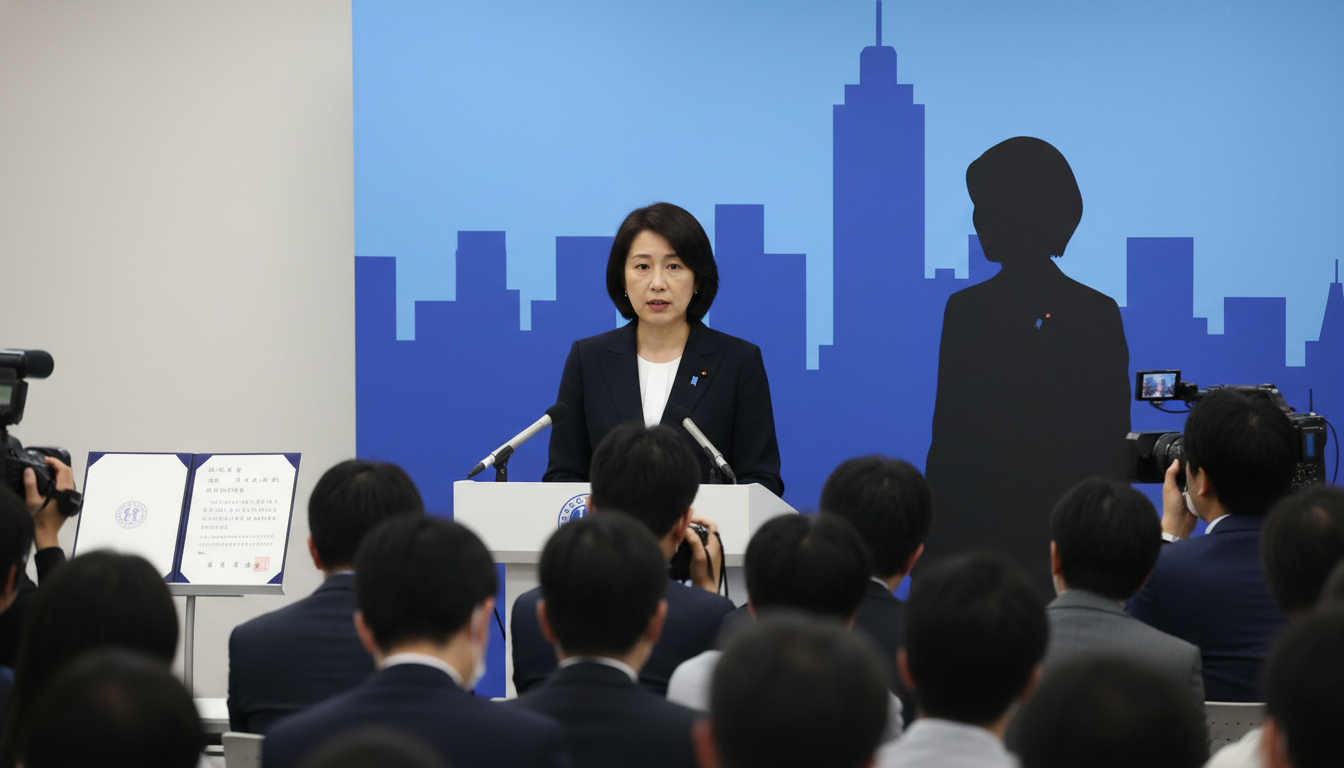
Kohei Ojima, a 37-year-old former Tokyo assembly member backed publicly by Governor Yuriko Koike, acknowledged in a post-election interview that he was defeated by a margin of more than 30,000 votes in the Nerima mayoral election held on April 12. The loss, which came despite endorsements from the Liberal Democratic Party, the Democratic Party for the People and several local groups, has been framed locally as the “Nerima shock” and seen as part of a wider pattern of setbacks for candidates tied closely to national party machinery. Ojima said he is reassessing both his campaign strategy and his relationship with voters as he plans his next steps.
Large margin signals wider local dissatisfaction
The scale of Ojima’s defeat surprised many in Tokyo’s political circles and was immediately read as a broader rebuke of party-backed candidates at the municipal level. With a gap of roughly 30,000 votes, the result suggested voters in Nerima preferred a candidate perceived as more independent or more closely attuned to local concerns. Political analysts noted the outcome fits a trend in which endorsements from national and regional parties do not automatically translate into local support.
Ojima points to youth and multiple endorsements as liabilities
Ojima said his relative youth became a liability when combined with visible party backing, arguing the combination created a “negative synergy” in the eyes of residents. He described how standing on an election van in a suit and tie flanked by high-profile supporters may have made him appear disconnected from everyday hardships. Rather than signaling energy and renewal, that image, he conceded, may have raised doubts among voters about whether he shared their perspective.
Late candidacy and intra-party negotiations affected campaign focus
Campaign timing emerged as another factor Ojima repeatedly cited, as his formal entry came about a month before voting after protracted negotiations among supporting parties. He admitted those negotiations consumed time and attention, and that the campaign at times felt more like a political maneuvering among parties than a voter-centered election. Ojima acknowledged personal complacency, saying the presence of senior politicians on the campaign trail made him complacent and shifted emphasis away from grassroots outreach.
Roots in door-to-door campaigning and a pledge to regain voter perspective
Reflecting on his political origins, Ojima recalled earlier phases of door-to-door campaigning when he faced outright hostility, including having salt thrown at his doorstep and seeing his business card torn. He said those experiences taught him persistence and helped build a modest base of support over time. After the defeat he said he lacked a consistent “voter’s perspective” during the mayoral race and pledged to relearn the basics of listening and responding to residents’ everyday concerns.
Koike’s high-profile support and its unintended effects
Governor Yuriko Koike’s open and repeated support for Ojima was one of the most visible elements of the campaign, and Ojima described Koike as a mentor and a formative influence in his political career. At the same time, he acknowledged that the governor’s involvement may have reinforced perceptions of him as a candidate of the political establishment. Ojima expressed gratitude for the support while also recognizing that close association with a powerful patron can complicate efforts to present a distinctly local platform.
Lessons for parties and future candidate selection
Campaign insiders and local observers say the Nerima result underscores the limits of top-down endorsements in municipal contests and highlights the importance of candidate selection attuned to local sentiment. Parties accustomed to relying on brand recognition and high-profile surrogates may need to invest more in groundwork, candidate grooming and clear, locally resonant platforms. Ojima’s candid remarks about being “tied” to party machinery have amplified calls within some local party circles to prioritize community ties over party pedigree.
Ojima said he will take time to reflect on the defeat, stop to reassess his political approach and seek to rebuild trust through sustained local engagement. He indicated his immediate focus will be on listening tours and smaller-scale community meetings to restore a direct line to residents, and he left open the possibility of returning to public service in a form shaped more explicitly by grassroots priorities.

