
India’s $10 Billion Great Nicobar Project Tests Strategic Ambitions and Environmental Limits
India’s $10 billion Great Nicobar project boosts Indo‑Pacific reach but ignites environmental, indigenous and governance concerns over island ecosystems.
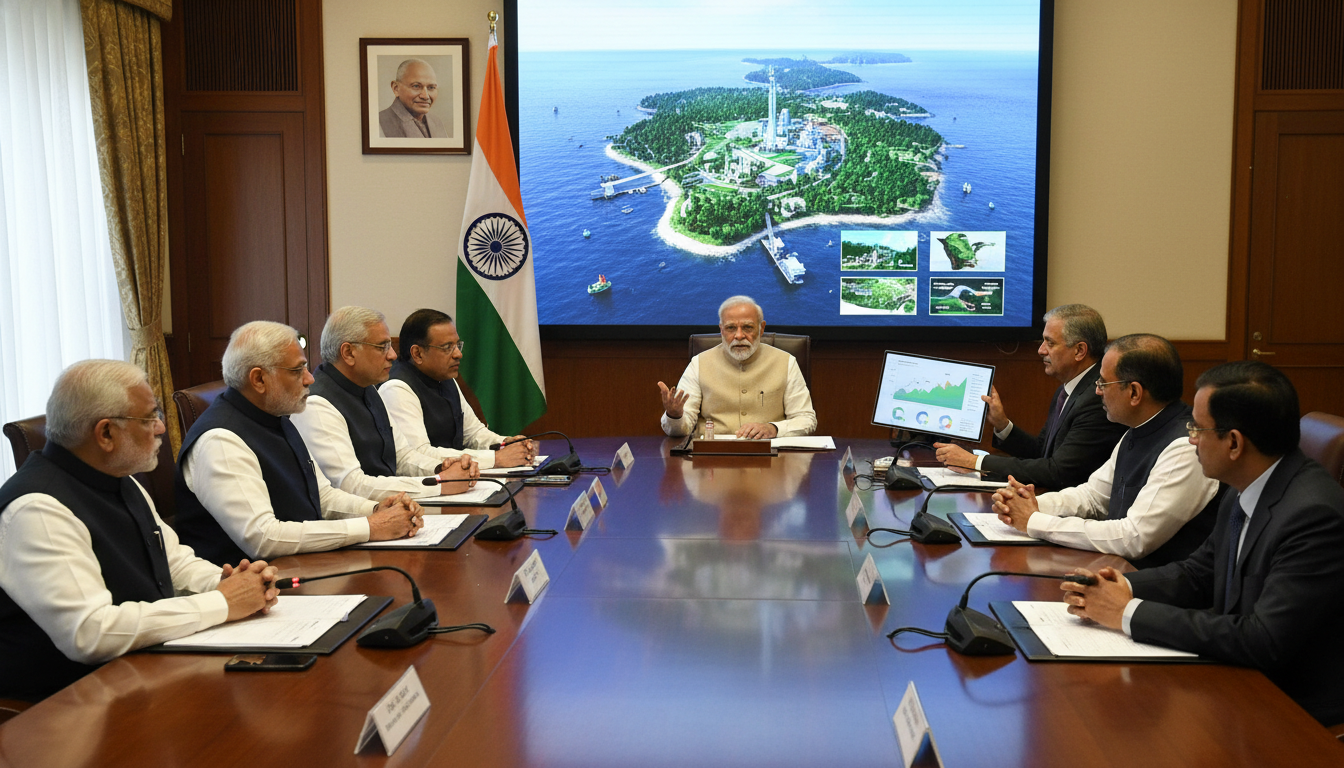
NEW DELHI — India’s push to develop a roughly $10 billion infrastructure package on Great Nicobar Island has sharpened debate over the country’s strategic ambitions in the Indo‑Pacific and the environmental cost of rapid military and civilian build‑out. The Great Nicobar project, framed by New Delhi as a strategic and logistical investment on the eastern edge of the Indian Ocean, has drawn scrutiny from conservationists, local stakeholders and legal observers concerned about fragile ecosystems and community rights.
Project Scope and Strategic Aims
Plans for the Great Nicobar project are conceived as part of a broader effort to strengthen India’s maritime posture and to secure logistical depth in the eastern Indian Ocean. Officials have described the effort as intended to support both civilian connectivity and enhanced maritime logistics for national security requirements.
Proponents say the investment would improve regional connectivity, shorten response times for humanitarian relief, and support trade flows that pass near the Andaman and Nicobar archipelago. The government frames the initiative as a long‑term strategic priority amid rising competition in the Indo‑Pacific.
Environmental and Biodiversity Risks
Environmental scientists and conservation groups warn that large‑scale construction on Great Nicobar could irreversibly alter unique habitats and marine corridors. The island hosts dense coastal forests, coral communities and migratory pathways that are vulnerable to excavation, reclamation and increased vessel traffic.
Experts have pointed to potential risks including habitat fragmentation, erosion and changes to freshwater systems that support island flora and fauna. The cumulative impact of roads, ports, and urban infrastructure is a central point in calls for more comprehensive environmental assessment and mitigation planning.
Indigenous and Local Community Concerns
Local leaders and advocates for indigenous people have expressed unease about potential disruptions to livelihoods, cultural heritage and access to traditional resources. Community representatives stress that any development must include meaningful consultation, free prior informed consent, and safeguards for customary land and fishing rights.
Past development initiatives in remote island territories have triggered legal challenges and social tensions when communities felt excluded from planning processes. Stakeholders insist that transparent grievance mechanisms and independent monitoring be written into project governance.
Security and Indo‑Pacific Calculus
Analysts say the Great Nicobar project is closely tied to India’s calculations in the Indo‑Pacific, where coastline infrastructure can shape maritime influence and logistics. A strengthened presence on Great Nicobar would be positioned near key sea lanes linking the Indian Ocean with the Southeast Asian littoral, potentially expanding New Delhi’s ability to project presence and support allied operations.
Military planners argue that improved bases and logistics hubs would boost readiness and maritime domain awareness in a region of intensifying competition. Diplomats and policy experts caution that strategic investments of this scale also invite international scrutiny and necessitate careful alignment with environmental and diplomatic commitments.
Economic and Trade Arguments
Supporters of the project emphasize its potential to stimulate local economies, create jobs and improve connectivity for commerce and tourism. Proponents project that port and transport improvements could shorten transit times for goods transiting between South Asia and Southeast Asia, yielding economic dividends over decades.
Skeptics counter that the economic case must be weighed against the costs of ecosystem loss, long‑term maintenance in a cyclone‑prone zone, and the fiscal burden of large‑scale infrastructure in a remote setting. They call for independent cost‑benefit analysis and contingency planning for environmental remediation.
Regulatory Process and Oversight
Questions have been raised about the scope and rigor of environmental clearances, regulatory oversight, and compensatory measures associated with the Great Nicobar project. Civil society groups have urged that assessments address cumulative effects and include independent peer review by ecologists, marine scientists and social impact experts.
Observers also want transparent disclosure of project designs, timelines and safeguards, arguing that strong monitoring and enforceable commitments would reduce the likelihood of contested development and litigation. International environmental norms and India’s own legal frameworks are part of the discourse shaping how approvals are granted and implemented.
The project has also been illustrated in public reporting by images of Indian Navy assets operating in the region, such as the arrival of INS Kesari at Port Blair, underscoring the maritime dimension of the plan. Reuters photographed naval activity in the archipelago in 2014, a reminder of the long‑standing operational interest in the island chain.
India’s decision on how to proceed with Great Nicobar will test the balancing act between securing maritime advantages and conserving an ecologically sensitive, inhabited island system. The outcome will likely influence policy debates on infrastructure, sovereignty and sustainability across the Indo‑Pacific.
As discussions continue, stakeholders — from military planners to coastal communities and conservation scientists — are calling for a measured approach that links strategic objectives with enforceable environmental protections and inclusive consultation.

