
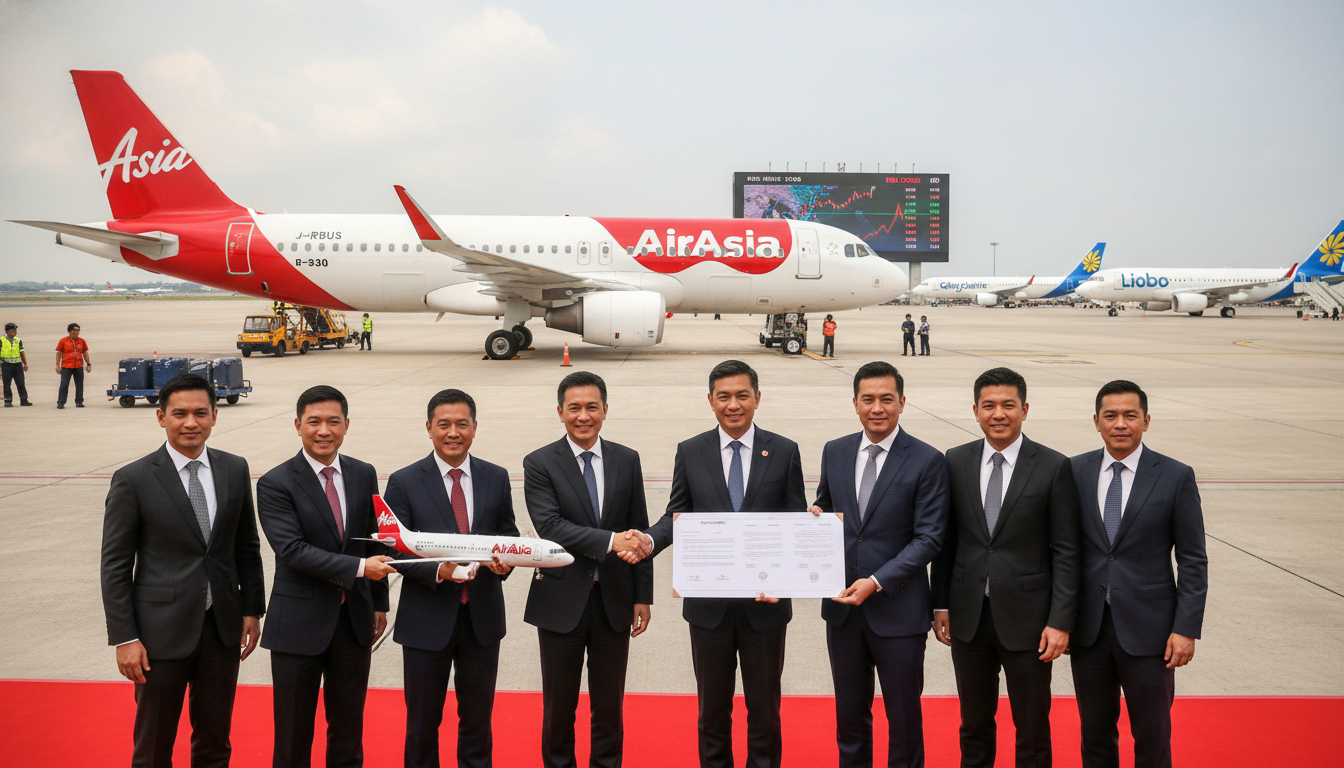
Asia’s budget airlines expand fleets and routes despite soaring fuel costs
Asia’s budget airlines are buying new planes and opening routes despite soaring jet fuel costs from the Iran war, banking on a quick demand rebound now.
Asia’s budget airlines are pressing ahead with deliveries and network growth even as jet fuel prices rise sharply because of the Iran war, industry sources say. Carriers from Japan to Southeast Asia report mounting operating costs but continue to firm up aircraft orders and launch new services to capture rebounding leisure travel. The move reflects a bet that the fuel shock is temporary and that demand will recover fast enough to justify near-term capacity growth.
Carriers expand fleets as fuel bills climb
Several low-cost carriers across Asia have proceeded with scheduled aircraft deliveries and lease commitments this year, driven by long-term growth plans that predate the current Middle East tensions. Executives say fleet expansion helps secure lower unit costs over time through new, more fuel-efficient models and preserves market share as travel demand strengthens. The strategy is a deliberate trade-off: accept higher short-term fuel bills to maintain route momentum and pricing power when the market normalizes.
Zipair Tokyo reports steep monthly cost increases
Zipair Tokyo disclosed monthly fuel-related cost increases exceeding 10 billion yen, equivalent to roughly $63 million, underscoring the scale of the challenge for carriers with expanding networks. The airline has stressed that its current financial pressures stem primarily from surging jet fuel and is reviewing operational measures to limit non-fuel expenses. Zipair’s report illustrates how even low-cost business models are vulnerable when a major cost input jumps suddenly.
New routes target recovering demand across Asia-Pacific
Across the region, carriers are launching or restoring routes aimed at leisure destinations where demand has recovered the fastest, including holiday markets in Southeast Asia and point-to-point city links. Airlines are focusing on routes that can quickly fill with price-sensitive travelers, using ancillary services and dynamic pricing to protect margins. Some operators are also experimenting with longer thin routes to tap new city pairs while avoiding congested hub airports.
Industry hedging, fuel surcharges and fare tactics
Airlines are responding to fuel volatility with a mix of financial hedging, temporary fuel surcharges, and tighter ancillary revenue strategies to offset higher costs. Hedging programs and forward purchases can mitigate price swings but often leave carriers exposed if conflicts persist or worsen supply dynamics. Meanwhile, many budget carriers are increasing optional fees and promoting bundled offers to convert leisure demand into stronger per-passenger revenues without raising headline fares dramatically.
Investor pressure and lender engagement reshape plans
Rising costs and tighter margins have drawn increased scrutiny from investors and lenders, who are pressing carriers for clearer cash-flow plans and contingency measures. Some low-cost groups have postponed non-essential capital expenditures and opened talks with banks to secure revolving credit facilities or covenant relief. At the same time, carriers argue that maintaining delivery schedules for newer, fuel-efficient aircraft is essential to long-term cost control and investor confidence.
Regulatory and geopolitical uncertainties complicate forecasts
The Iran war and related shipping and insurance disruptions add a geopolitical premium to fuel and operating risk that regulators and industry bodies are watching closely. Airspace rerouting, higher overflight charges, and insurance costs can all amplify the impact of crude price moves on airline economics. Regulators in some countries have signalled willingness to consider short-term relief measures, but carriers say sustained support would likely be limited and targeted.
Asia’s budget airlines face a delicate balancing act: invest for growth now or conserve cash until geopolitical risks ease. For many, the decision has been to lean into expansion, accepting painful near-term cost increases in hope that demand and lower fuel prices will restore profitability. The outcome will hinge on how soon the Iran war abates, how sharply jet fuel prices retreat, and whether carriers can convert strong passenger volumes into durable revenue gains.

