
Lai Ching-te Faces Political Pushback as Taiwan’s Tech-Fueled Economy Booms at Midterm
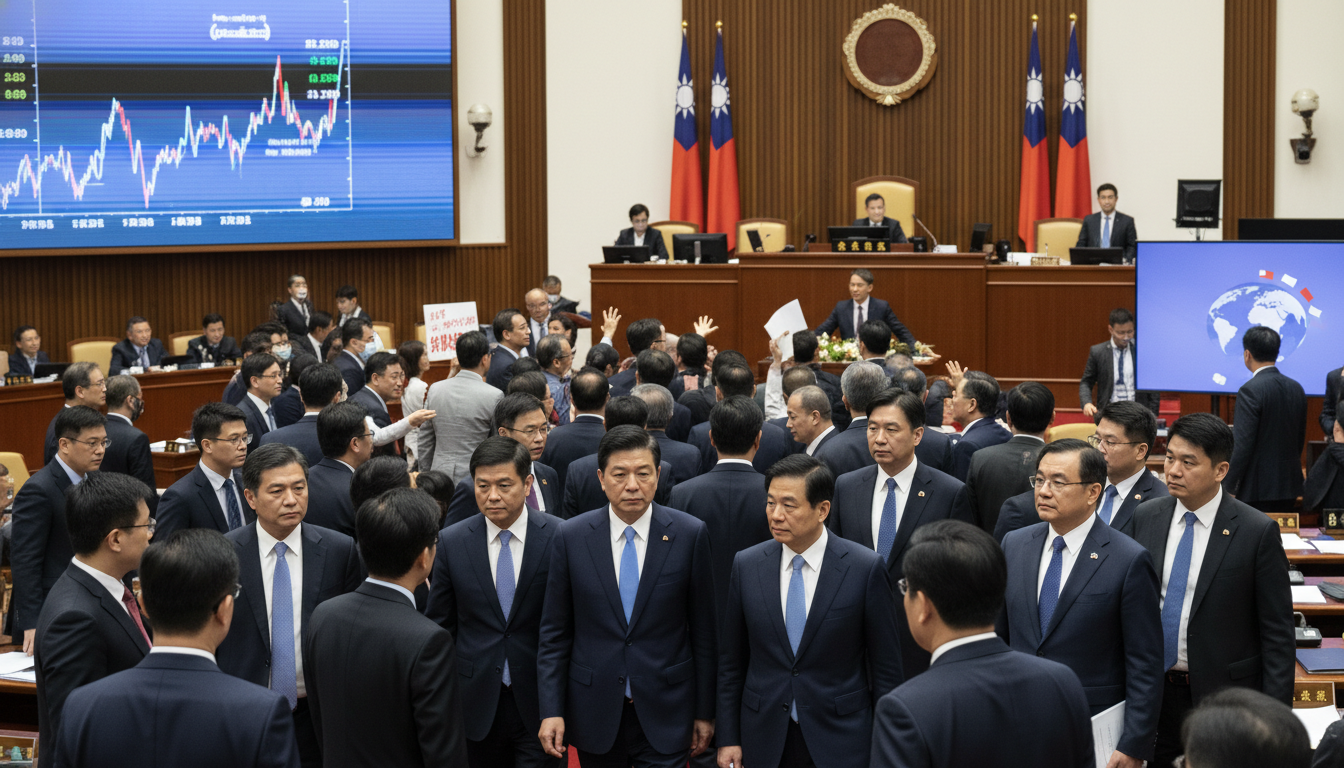
As President Lai Ching-te marks two years in office on May 20, 2026, Taiwan’s tech-led economy is expanding rapidly even as an opposition-controlled legislature and mounting diplomatic pressures complicate his path toward 2028.
Economic Growth Centered on Semiconductors
Taiwan’s economy has registered brisk activity driven largely by semiconductor and high-tech exports, a cornerstone of President Lai Ching-te’s midterm environment. Strong orders from global electronics manufacturers and continued investment in chip capacity have kept factories running and boosted export revenue.
Domestic demand has also benefited, with technology-linked jobs and corporate investment lifting consumption in urban centers. The economic momentum gives Lai political space to claim credit for stability and growth amid challenging politics.
Opposition-Controlled Legislature Stalls Agenda
The legislature’s opposition majority has frequently blocked or delayed key bills that the Lai administration has prioritized, producing a steady stream of legislative gridlock. Budget proposals, regulatory reforms, and appointments have become points of contention that slow policy implementation and frustrate government planners.
That dynamic has forced Lai to rely more on administrative directives and executive agencies to carry out parts of his program, a tactic that further inflames legislative relations and narrows room for negotiated compromise. Analysts say sustained confrontation could erode public confidence if visible benefits do not reach voters.
Diplomatic Pressure and Cross-Strait Tensions
Externally, Lai Ching-te is managing heightened diplomatic headwinds, including persistent military and political pressure from Beijing and the delicate balancing act with key partners such as the United States and regional allies. These tensions complicate initiatives that require international cooperation, from defense procurement to supply-chain agreements.
Taiwan’s government has sought to deepen ties with partners across Asia, Europe and North America to mitigate diplomatic isolation and secure foreign investment. However, each diplomatic advance risks provoking stronger responses from Beijing, adding a strategic constraint to domestic policymaking.
Governance Adjustments and Executive Measures
In response to a hostile legislature and diplomatic uncertainty, Lai’s team has sharpened its focus on executive governance tools and pragmatic policy shifts. The administration has accelerated regulatory approvals for strategic industries and expanded targeted economic incentives to sustain momentum in key sectors.
At the same time, officials have stepped up communication with business leaders and local governments to maintain investment confidence and to fast-track projects that do not require full legislative endorsement. These measures aim to demonstrate results while longer legislative battles continue.
Political Calculations Ahead of 2028 Prospects
Looking toward 2028, Lai Ching-te faces a complex political calculus: sustaining economic performance while rebuilding legislative bridges or preparing for an intensified electoral campaign. Political strategists note that public perceptions of competence on the economy and national security will be decisive.
To strengthen his prospects, Lai may pursue incremental agreements with moderate opposition lawmakers and emphasize policy wins with tangible local impact. The administration’s ability to translate economic growth into visible improvements in income, housing and social services will be central to any long-term political strategy.
Taiwan’s president begins the second half of his four-year term with clear economic advantages but persistent political and diplomatic obstacles. How Lai Ching-te manages the interplay between legislative resistance, external pressure, and public expectations will determine both his immediate policy success and his standing as Taiwan approaches the 2028 political horizon.

