
Southeast Asia manufacturers reel as Iran war-driven cost shocks force closures and job losses
Southeast Asia manufacturers face rising closures and layoffs as Iran war-driven cost shocks push up input prices, even while strong electronics exports obscure wider economic strain.
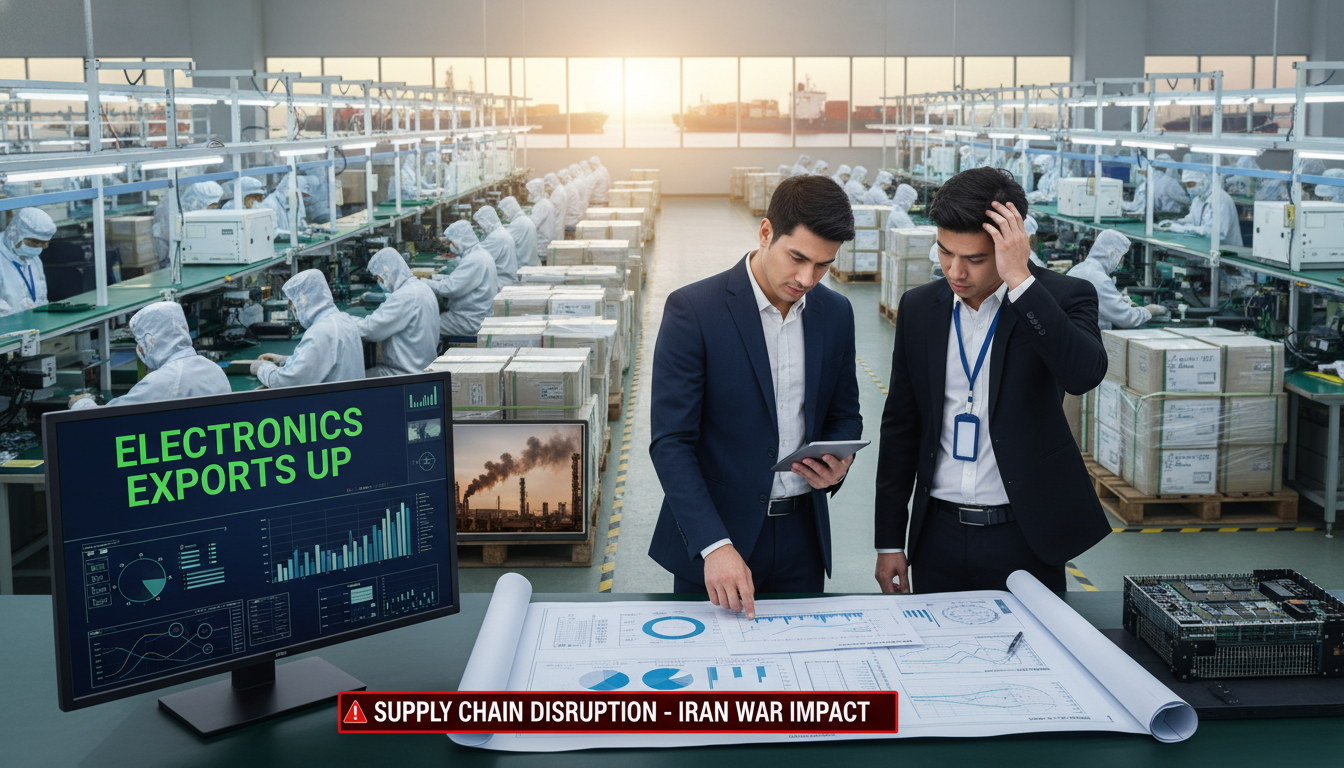
Southeast Asia manufacturers are reporting an uptick in plant shutdowns and job cuts as manufacturers grapple with higher input costs and disrupted supply chains linked to the Iran war. Company executives and local managers in Malaysia, the Philippines and Vietnam say the pain is spreading through industries beyond electronics. At the same time, robust exports of semiconductors and other electronics have kept headline output figures from fully reflecting the downturn in other sectors.
Manufacturers report closures across the region
Companies in several Southeast Asian countries have begun to announce closures or reduced operations in recent months. Executives at factories supplying furniture, basic components and consumer goods reported lower margins and, in some cases, permanent shutdowns. In Muar, Malaysia, workers at a plant that assembles furniture parts for US export told reporters the firm had trimmed shifts and suppliers said more than 100 local businesses in the cluster had recently ceased operations.
Many of those affected are small and medium-sized enterprises that operate on thin margins and limited cash reserves. When input prices rise sharply, these firms have little room to absorb costs or negotiate longer payment terms with buyers. As a result, closures have concentrated among upstream suppliers and contract manufacturers that feed larger export-oriented firms.
Electronics exports mask broader weakness
While factories making electrical components and semiconductors continue to record strong shipments, their performance is masking distress elsewhere in manufacturing. Electronics producers have benefited from steady global demand for chips and devices, which has supported employment and investment in some industrial hubs. However, the gains in electronics have not cascaded evenly into supply chains for textiles, furniture and assembly operations where demand and pricing power are weaker.
Analysts say this divergence can create misleading national statistics: headline export or industrial production numbers may look healthy even as employment and output in important non-electronics sectors decline. That dynamic complicates policy responses because headline growth can reduce urgency for targeted support to vulnerable industries.
Input-cost squeeze linked to Iran conflict
Industry sources link the recent cost shocks to disruptions stemming from the Iran war, which has driven up energy, freight and insurance costs and altered commodity flows. Higher oil and shipping expenses feed through rapidly to manufacturers that depend on imported raw materials and components. In several cases, companies reported spikes in freight surcharges and longer lead times that forced them to hold more inventory at elevated cost.
The added expense has reduced margins for exporters operating on tight international contracts. Where currency movements have not fully compensated for higher local costs, firms have been forced to either accept losses, pass on prices to customers whose demand is price-sensitive, or scale back production. For many SMEs, price-push inflation has been decisive in decisions to close or downsize.
Local communities and employment feel the impact
Job losses associated with factory closures are already visible in industrial towns and supply-chain clusters. Workers in affected facilities reported reduced shifts and temporary lay-offs, with consequences for household incomes in areas where manufacturing is the main source of employment. Small supplier closures also ripple through local economies; transport operators, parts vendors and service providers face reduced business when factories cut capacity.
Community leaders and labor groups have warned that sustained cost pressure could reverse recent gains in manufacturing employment that had followed the pandemic recovery. They urged a combination of short-term support for displaced workers and medium-term measures to strengthen local supplier resilience.
Industry and policy responses emerging
Some larger firms have begun to adjust sourcing strategies, seeking to diversify suppliers regionally and negotiate longer-term contracts to stabilize input prices. Others are investing in process improvements to reduce material waste and energy consumption. Business associations have called for government engagement to ease logistical bottlenecks and to provide temporary relief on energy or financing costs for qualifying small manufacturers.
Policy makers in affected countries are weighing options that include targeted credit lines for SMEs, short-term wage support and incentives to attract inward investment into non-electronics manufacturing. Authorities are also monitoring trade and insurance developments linked to the Iran conflict to ensure exporters remain competitive while supply chains adapt.
Outlook and risks for the remaining industrial base
The near-term outlook depends on the trajectory of geopolitical tensions and the ability of firms to secure alternative supply arrangements. If energy and freight costs remain elevated, more small suppliers could exit, tightening networks for larger exporters and increasing costs for firms that must re-source parts. Conversely, if electronics demand holds and policy measures cushion the weakest firms, structural adjustment rather than mass closures may dominate.
For now, manufacturing clusters that have relied on low-cost inputs and tight margins face a precarious period of adjustment. The uneven performance between electronics and other sectors suggests a bumpy recovery path that could require more targeted support and greater supply-chain diversification over the coming months.
Manufacturers, industry groups and local officials say they will continue to monitor conditions closely and adjust strategies to preserve jobs and keep critical supplier networks functioning.

