
National Museum of Korea Reaches No. 3 Globally as K-pop and K-culture Drive Young Visitors
National Museum of Korea reimagines exhibits and outreach, rising to third worldwide in visitors as K-pop and K-culture attract younger audiences to Seoul.
The National Museum of Korea has risen to third place globally in visitor numbers after a deliberate shift toward programming that connects with younger audiences and the worldwide surge of K-culture. Museum officials and cultural observers point to redesigned exhibitions, social media engagement, and high-profile pop-culture tie‑ins as key drivers of the surge. The change reflects a broader realignment in how major institutions are courting a new generation of museum-goers without abandoning traditional conservation priorities.
Museum’s rise to third in global attendance
The National Museum of Korea’s climb to the third-highest visited museum worldwide marks a rare institutional turnaround in a short span. Observers attribute the ascent to a mix of refreshed galleries, targeted marketing and offerings that resonate with younger visitors. The museum’s standing underscores how cultural diplomacy and popular culture now intersect to reshape public engagement with national heritage.
The positioning also signals a shift in visitor demographics in Seoul and beyond, as international tourists and domestic youth alike seek experiences that blend history with contemporary cultural references. Institutional leaders have framed the rise as part of a strategic effort to broaden relevance while maintaining scholarly standards.
Exhibitions tailored to K-pop and younger visitors
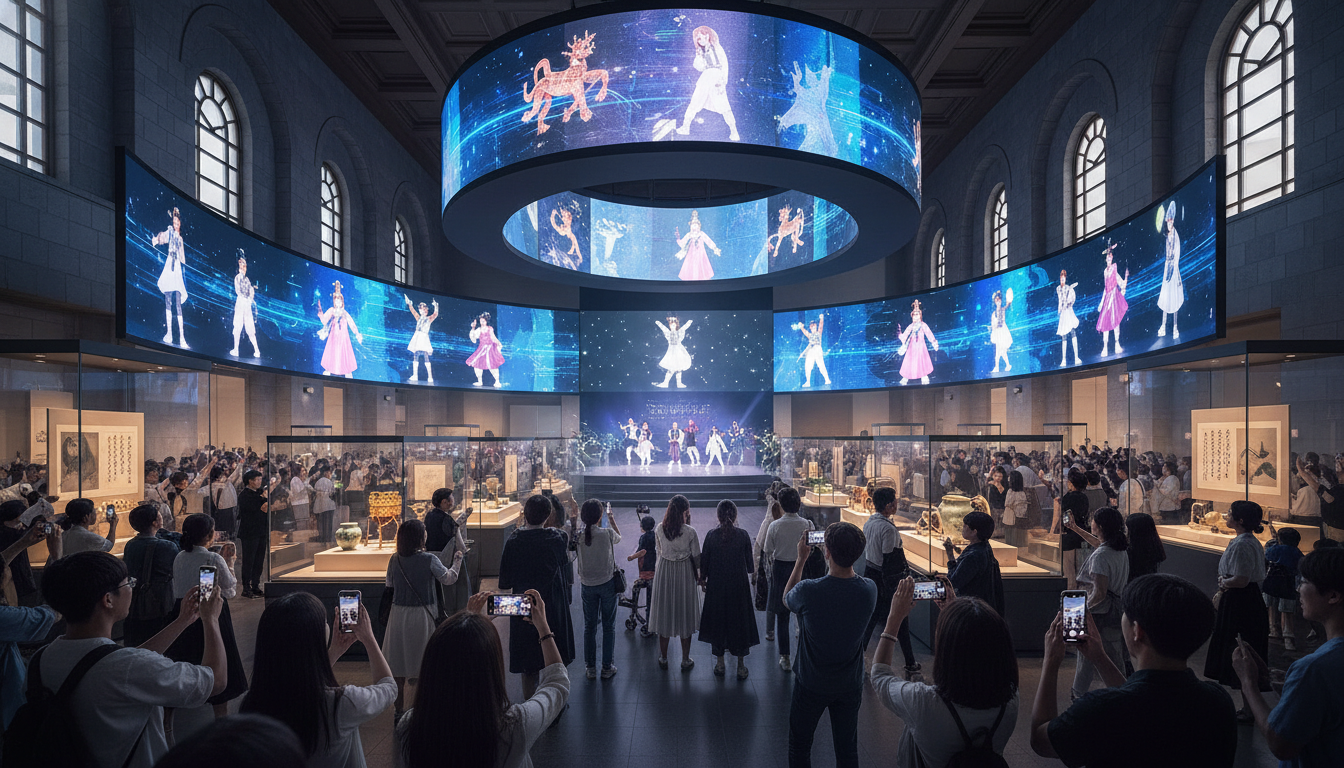
Curators at the National Museum of Korea have experimented with exhibition design to appeal to audiences raised on visual and interactive media. Displays increasingly incorporate multimedia, contemporary lighting design and interpretive elements that invite photography and sharing. Curatorial teams say the goal is to create entry points that lead younger visitors from popular culture interests into deeper historical narratives.
The museum has also adjusted programming times and added late-night openings and themed tours to fit visitor habits. These moves have allowed the institution to host pop-up exhibits and installations that feel both accessible and anchored in the museum’s collection.
Special events and landmark moments such as Blackpink tie-ins
High-profile moments have amplified the museum’s visibility, including the installation of pink lighting in February to mark the release of a major K-pop album and associated public programming. Such events have generated social media traction and brought new audiences through the doors. While celebrity-linked activations are not the museum’s primary focus, they have served as catalysts for first-time visits and broader interest.
Curators caution that pop-culture collaborations are curated with care to avoid diluting the museum’s mission. Planned events are paired with contextual material and educational programs designed to transform a momentary visit into sustained engagement.
Partnerships with cultural and commercial partners
The museum’s strategy has included expanded partnerships with cultural foundations, private sponsors and entertainment companies to broaden funding and reach. These collaborations have enabled larger temporary exhibitions, performance tie-ins and educational outreach that would have been difficult to mount independently. Officials say cross-sector partnerships help underwrite ambitious programming while opening new pathways for audience development.
At the same time, the museum has sought to retain curatorial control and academic oversight, ensuring that collaborations support long-term institutional goals rather than short-term publicity.
Digital strategy and social media engagement
A revitalized digital approach has helped convert online interest into physical visits to the National Museum of Korea. The institution has amplified visual storytelling across social platforms, publishing short-form videos, behind-the-scenes content and user-friendly guides. This content strategy has been tailored to formats favored by younger users, increasing shareability and driving footfall among demographics less likely to visit traditional museums.
The museum has also invested in on-site digital amenities such as mobile-friendly audio guides and interactive maps, reducing friction for first-time visitors and enhancing the experience for repeat guests.
Pressure on conservation and crowd management
Rising attendance has brought operational challenges, including the need to protect sensitive collections and manage visitor flow in crowded galleries. Conservation staff and curators are balancing accessibility with preventive care, adapting display methods and climate protocols where possible. Crowd-control measures and timed-entry systems have been introduced for popular exhibitions to reduce congestion and preserve objects for future study.
Officials acknowledge the trade-offs inherent in growing a broad visitor base while safeguarding the museum’s long-term collections and research missions.
The National Museum of Korea’s recent ascent demonstrates how a national cultural institution can harness contemporary popular culture and modern engagement tools to expand its reach. By rethinking exhibition design, partnering strategically, and investing in digital outreach, the museum has opened its doors to a generation that values both entertainment and authentic cultural encounters. As it navigates the operational challenges of higher attendance, the institution’s approach may serve as a model for museums worldwide seeking to remain vital in a changing cultural landscape.

