
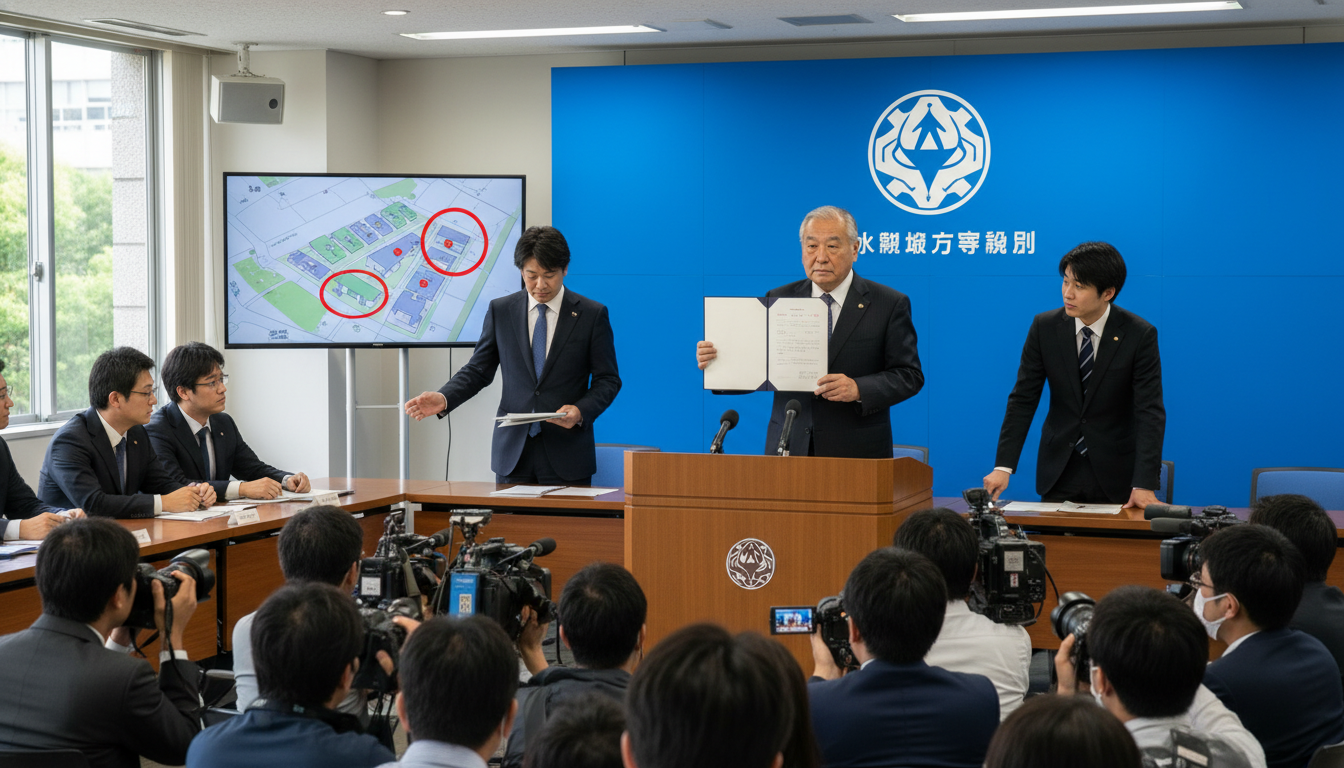
Shinjuku Ward Issues Minpaku Abolition Order for Four Properties Amid Rising Complaints
Shinjuku Ward issued a minpaku abolition order for four units on March 16 after repeated failures to meet reporting obligations, and has urged national authorities to tighten minpaku regulation.
Shinjuku Ward has issued a minpaku abolition order under the Housing Accommodation Business Act against an operator that ran four short-stay properties, the ward said.
The order, dated March 16, bars the operator from conducting minpaku business for three years and follows earlier administrative action for reporting failures.
The measure comes as local officials report a sharp rise in complaints related to short-term rentals across Tokyo’s 23 wards.
Details of the March 16 abolition order
Shinjuku Ward said the operator repeatedly failed to submit mandated reports on guest stays and related matters that must be filed every two months.
The same operator had already been hit with a business suspension order in October for lapses in reporting, but the ward found further breaches afterward.
Under the Housing Accommodation Business Act, the abolition order prevents the operator from restarting minpaku activities for a three-year period.
Regulatory history and recent enforcement in Tokyo
This action marks the second known abolition order issued in Tokyo under the current minpaku law, following a set of orders issued by the ward last December.
Shinjuku officials noted that the December measures had targeted four other operators and that authorities are stepping up enforcement in response to recurring violations.
Local government representatives say they are increasingly using statutory tools to address what they describe as persistent noncompliance by some operators.
Rising complaints and local concerns
Shinjuku Ward officials reported a surge in complaints tied to minpaku operations, citing noise, trash accumulation and unauthorized use of residential properties.
Ward staff said the uptick in grievances has strained municipal enforcement resources and heightened tensions in neighborhoods where short-term rentals operate.
Elected ward leaders contend that enforcement alone is insufficient without clearer national rules and stronger penalties to deter repeat offenders.
Calls for national rule tightening
In late May, Shinjuku Ward Mayor Kenichi Yoshizumi personally handed a written request for tougher minpaku regulations to a senior ruling party official, the ward said.
The move echoed a broader appeal by the heads of Tokyo’s 23 wards, who have formally urged the national government and the ruling party to consider stronger legal and administrative measures.
Ward officials argue that revised rules should clarify reporting requirements, strengthen penalties for repeated violations and improve information sharing between municipalities and national authorities.
Legal obligations and operator responsibilities
Under current law, minpaku operators must register with local authorities and file periodic reports—typically every two months—detailing occupancy and related operational data.
Municipalities can impose orders ranging from warnings to suspensions and, in serious or repeated cases, abolition of the business registration under the Housing Accommodation Business Act.
Shinjuku’s statement emphasized that the abolition order was applied only after earlier sanctions and continued noncompliance, reflecting a stepwise approach to enforcement.
Implications for operators and residents
Operators found in breach of reporting duties now face the prospect of longer suspensions or loss of authorization, which may push some hosts to seek clearer compliance guidance.
Residents and neighborhood associations in Shinjuku welcomed the abolition order as a signal that repeated violations will not be tolerated, while some industry groups warned that heavier regulation could reduce listings and complicate legitimate hosts’ operations.
Municipal officials said they plan to increase outreach to licensed operators to prevent inadvertent breaches while pursuing strict action against deliberate or repeat violators.
Public debate over how to balance tourism, housing pressures and neighborhood quality is likely to intensify as more municipalities consider similar measures.
Shinjuku Ward officials said they will continue documenting cases and pressing the national government for legislative revisions to ensure that local authorities have effective tools to manage the growth and impacts of minpaku.

