
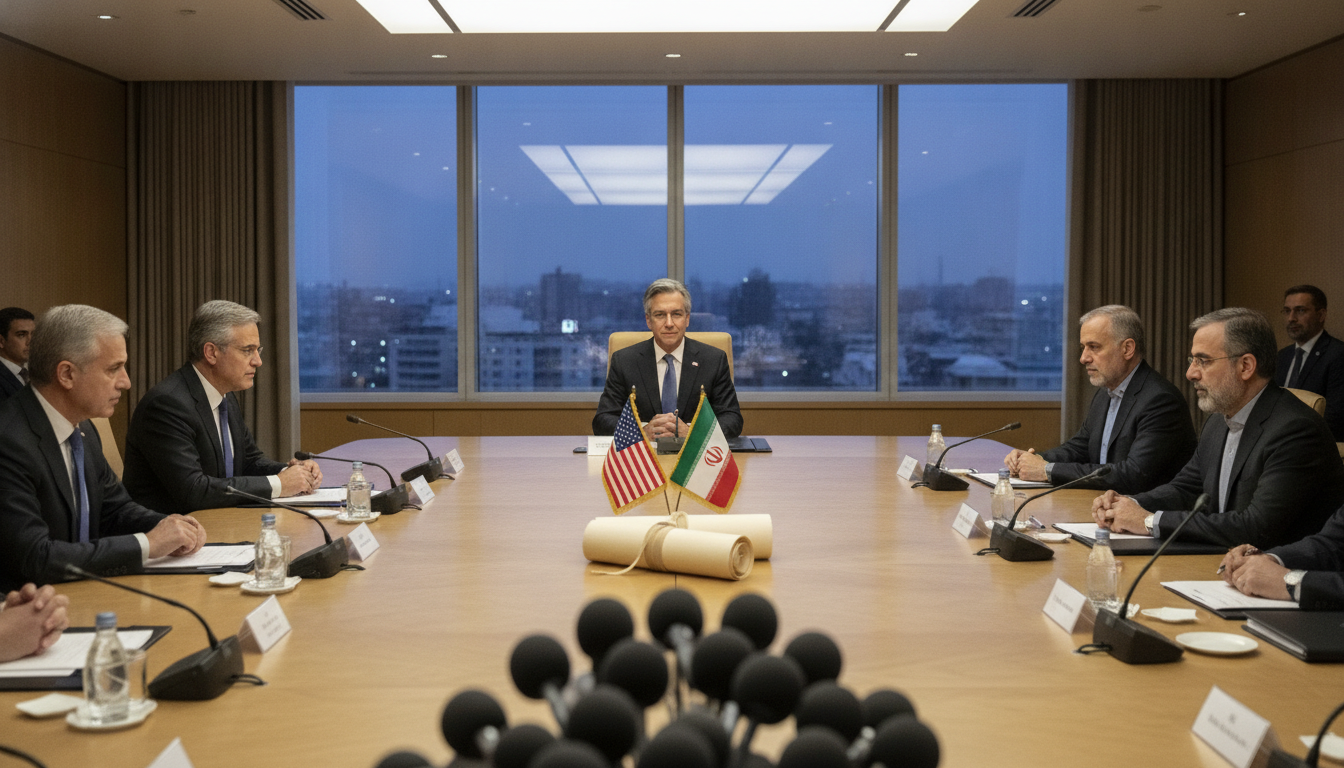
US-Iran memorandum may be agreed within days, but nuclear and Hormuz gaps persist
US-Iran memorandum may be agreed within days, officials said on June 12, 2026, yet serious differences over nuclear commitments, the Strait of Hormuz and frozen assets remain unresolved.
The United States and Iran signaled on June 12, 2026, that a concise US-Iran memorandum aimed at ending recent hostilities could be finalized “within days,” raising cautious hopes for de-escalation in the Gulf. Both sides described a short, framework-style document that would open a 60-day window for detailed negotiations, but diplomats warned that substantive divergences — especially over nuclear obligations and maritime control — could complicate implementation. The prospect of an early accord has already eased some immediate tensions, yet the durability of any deal will depend on how negotiators bridge the outstanding gaps in the coming weeks.
Agreement May Be Reached ‘Within Days’
On June 12, senior officials from Washington and Tehran publicly acknowledged that agreement on a memorandum of understanding could come quickly, describing the text as intentionally brief. Iranian Foreign Minister Araghchi said the document would fit within two pages and set the framework for subsequent talks, a formulation echoed by US interlocutors preparing for follow-up consultations. The compressed format appears designed to secure an initial cessation of hostilities while deferring the most contentious issues to a structured bargaining period.
Nuclear Dispute Remains Central
Despite apparent progress on the ceasefire front, the nuclear dimension remains the largest unresolved component of the US-Iran memorandum debate. Each side continues to present divergent explanations about Iran’s nuclear activities and the obligations that any memorandum should impose or recognize. Observers caution that unless negotiators reach shared definitions on inspections, enrichment limits and verification measures, the memorandum may offer only a temporary lull rather than a durable settlement.
Strait of Hormuz Management Divides Parties
One of the most sensitive items is control and operation of the Strait of Hormuz, a chokepoint for global energy shipments. Tehran has proposed that, following any ceasefire, the strait would not simply revert to its pre-conflict state but be managed jointly by Iran and Oman, with Iran indicating it would levy “service fees” for navigational safety. Washington has signaled strong opposition to any arrangement that could formalize charges or Iranian-controlled oversight of commercial traffic, making this a likely flashpoint in the negotiations that follow a memorandum.
Frozen Assets and Economic Measures on Table
The memorandum is also expected to address the status of Iranian frozen assets and the economic terms linked to de-escalation. Negotiators have reportedly agreed to include assets and sanctions relief among the topics to be worked out during the 60-day negotiating window, but the precise modalities — including which funds would be released, under what conditions, and to whose oversight — have not been detailed. Differences over sequencing and transparency of financial transfers threaten to slow progress and could become leverage points in broader discussions over nuclear and security guarantees.
Sixty-Day Framework for Detailed Talks
Both sides appear to favor an initial, limited accord followed by an explicit 60-day period for detailed bargaining on the memorandum’s operational elements. That timetable aims to convert a short, symbolic text into enforceable commitments while preserving diplomatic momentum. However, the fixed negotiation window also raises risks: if either side perceives the talks as failing to deliver acceptable outcomes, the ceasefire could unravel quickly and hostilities could resume before durable verification mechanisms are in place.
Regional and International Ramifications
A formal US-Iran memorandum, even if narrow, would carry immediate implications for regional security, global energy markets and third-party states with commercial shipping interests. Countries bordering the Gulf, including Oman, and states with large shipping industries will closely monitor any changes to navigation arrangements and fee structures. International actors may also press for robust verification provisions and multilateral oversight to reduce the chance that ambiguities in a short memorandum produce renewed tensions.
The coming days will test whether a compact, two-page framework can serve as a stable foundation for complex, high-stakes diplomacy or whether unresolved differences over the nuclear program, maritime control and financial terms will force negotiators back to square one.

