
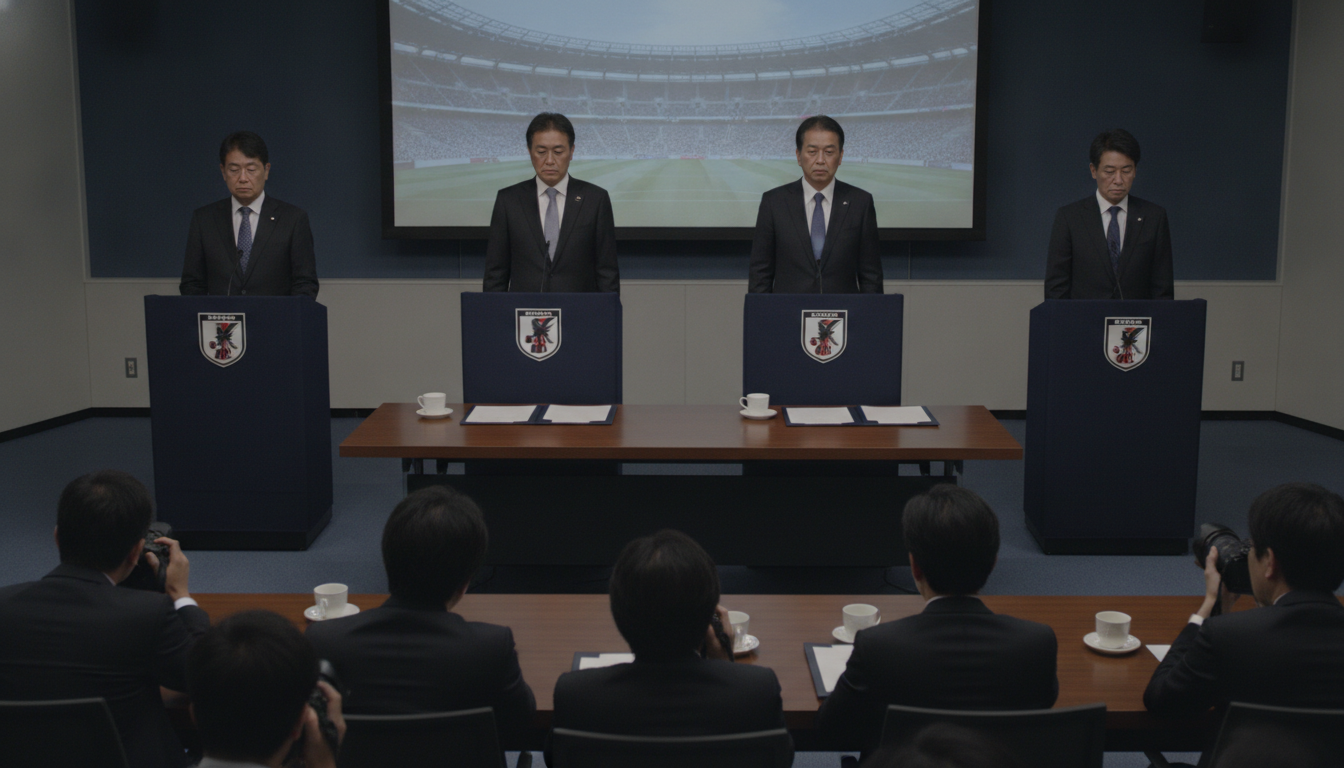
Why Japanese Companies Have Disappeared from World Cup Sponsors
Japanese firms, once regular World Cup sponsors, have largely retreated from the global tournament stage as sponsorship costs, shifting marketing strategies and compliance risks changed the calculus.
Historic Japanese Presence at the World Cup
Japanese corporations were prominent World Cup sponsors from the 1970s through the early 2000s, using the event to build global brand recognition.
Companies such as Seiko served as official timer across four tournaments beginning in 1978, while JVC (now JVC Kenwood) and Fujifilm sponsored events through the 1980s and 1990s.
Sony’s partnership in 2014 marked the most recent appearance by a major Japanese sponsor, after which no Japanese firm renewed a comparable global sponsorship.
Measured Marketing Gains from Sponsorship
Executives who managed past campaigns say the World Cup delivered exceptional exposure across markets and demographics.
Hospitality privileges for clients and partners, plus high-profile advertising around stadia and broadcast breaks, translated into measurable uplifts in brand awareness and, often, subsequent sales.
For many Japanese manufacturers and consumer brands, those tournaments coincided with export drives and helped accelerate recognition in Europe and other overseas markets.
Four Reasons Behind the Corporate Pullback
Industry analysts point to four principal factors that explain why Japanese firms stepped back from World Cup sponsorships: escalating costs, tighter compliance and reputational risk, a shift to digital marketing that allows more targeted spend, and rising competition from global tech and financial firms.
Each factor compounded the others — higher fees raised the threshold for expected returns; stricter governance increased perceived risk; and new marketing channels offered alternatives that often promised clearer metrics.
Rising Costs and Intensified Competition
Sponsorship fees and associated activation expenses have climbed steeply, driven by global demand for a limited number of premium rights packages.
Multinational technology and finance companies with deep marketing budgets have aggressively bid for global sports inventory, pushing prices beyond what many Japanese firms deem cost-effective.
The increase in ancillary costs — premium hospitality, local activations and compliance-related spend — has also made direct comparisons of ROI more challenging for traditional brand owners.
Compliance, Governance and Reputational Exposure
Modern sponsorships carry heightened legal and reputational obligations that extend beyond advertising deliverables.
Companies now must consider human rights scrutiny, geopolitical sensitivities and supply‑chain exposures tied to hosts and partners, elevating perceived downside risk.
For Japanese boards that prioritize steady returns and risk mitigation, such uncertainties weigh heavily when deciding whether to pursue global sports partnerships.
Strategic Shift to Digital and Domestic Priorities
Many Japanese corporations have redirected marketing budgets toward digital channels that offer precise targeting, performance measurement and lower marginal costs.
Domestic priorities, including an aging home market and the need to invest in technology and services, have also shifted corporate capital allocation away from costly global brand platforms.
As a result, multinational tournaments like the World Cup no longer align as neatly with the short- and medium‑term strategic objectives of some Japanese firms.
Despite the retreat, the World Cup remains an exceptionally powerful global stage, and several factors could prompt a return by Japanese companies in the future. Emerging formats of partnership, regional rights packages, or collaborative sponsorships that lower cost and risk may make participation more attractive.
For now, however, the combination of soaring fees, stricter governance expectations, evolving marketing strategies and intensified competition explains why familiar Japanese logos are rare at current World Cup stadiums.

