
Takaichi aide online meeting possibility not denied by PM amid allegations over smear video
Prime Minister Takaichi said she "cannot deny" that her aide and a man linked to an alleged smear video attended the same online meeting, while asserting she did not order the video’s production.
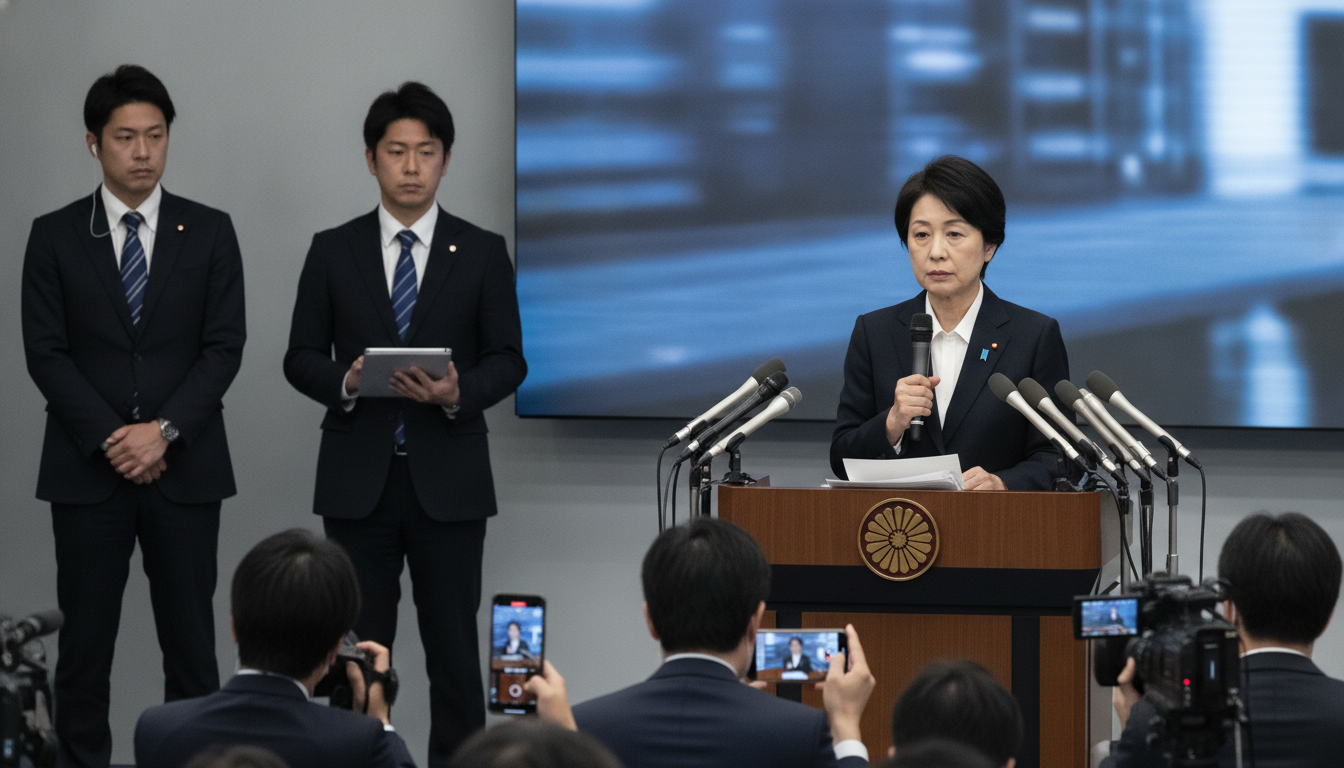
Prime Minister Sanae Takaichi told the House of Councillors on June 19 that she could not rule out the possibility that her public secretary and a man reported to have created a social media video attacking other candidates attended the same online meeting. Takaichi repeated that she did not request the production or posting of the allegedly defamatory video, responding to questions from opposition lawmakers. The exchange intensified scrutiny of her office after reports in weekly media linked the aide to the video’s circulation during the Liberal Democratic Party leadership contest.
Takaichi’s statement at the Diet
Takaichi answered questions from Rikken Minshuto lawmaker Sakuya Uchikoshi in a plenary session of the upper house, where she outlined what she had learned from her office. She said she had checked with the aide about meeting attendance but stressed that participants in virtual meetings are not always remembered. The prime minister emphasized that the office had no record of direct, in-person contact between the aide and the man identified in media reports.
Office explanation on memory and contact
According to Takaichi’s account, her office reported frequent exchanges with people whose faces and names did not always match, making it difficult to recall every participant from past online meetings. She said staff told her they had not met the man in person and that the aide recognized him as someone without a personal relationship. The prime minister used that reporting to distinguish between shared virtual attendance and any directed effort to produce or disseminate campaign material.
Denial of instruction to produce video
Takaichi reiterated multiple times that she had never instructed the aide to commission or distribute the video in question. She told the Diet that her aide categorically denied having asked the man to make or post the material. The prime minister framed her response around the assertion that internal staff had denied involvement in commissioning the content, while acknowledging limits to what can be proven from memory of virtual gatherings.
Allegations and media reporting
The controversy stems from reporting in weekly publications that connected a public secretary in Takaichi’s office to the social media posting of a video that critics say defamed rivals during the LDP presidential contest. Media outlets said the video sought to discredit other candidates, though details about how the content was created and shared remain contested. Takaichi’s comment that she "cannot deny" possible overlap in online meeting attendance is the first time she has publicly allowed for the chance of indirect contact, even as she rejects any command responsibility.
Opposition reaction and demands
Opposition parties pressed the prime minister for clarification and for accountability measures, asserting that public trust requires firm answers. Lawmakers asked whether the prime minister would launch an internal inquiry or allow an independent probe to establish the facts behind the video’s production and distribution. Takaichi faced calls to confirm the accuracy of her office’s account and to explain what disciplinary or transparency steps, if any, would follow if further links are identified.
Political stakes within the party
The episode comes amid heightened sensitivity over campaign conduct during intra-party contests, where allegations of coordinated negative campaigning can have legal and ethical implications. For the ruling party, questions about staff involvement in smear efforts risk damaging the leadership’s image and complicating factional dynamics. Takaichi’s cautious framing — denying instruction while acknowledging memory limitations — leaves unresolved tensions for party leaders balancing internal unity and public scrutiny.
Public perception now hinges on whether independent evidence can corroborate the reports tying an aide to the video and whether the prime minister’s office can produce contemporaneous records of online meetings. The unfolding debate is likely to keep the matter under close observation in both the Diet and the media as investigators and political actors seek clearer documentary answers.

