
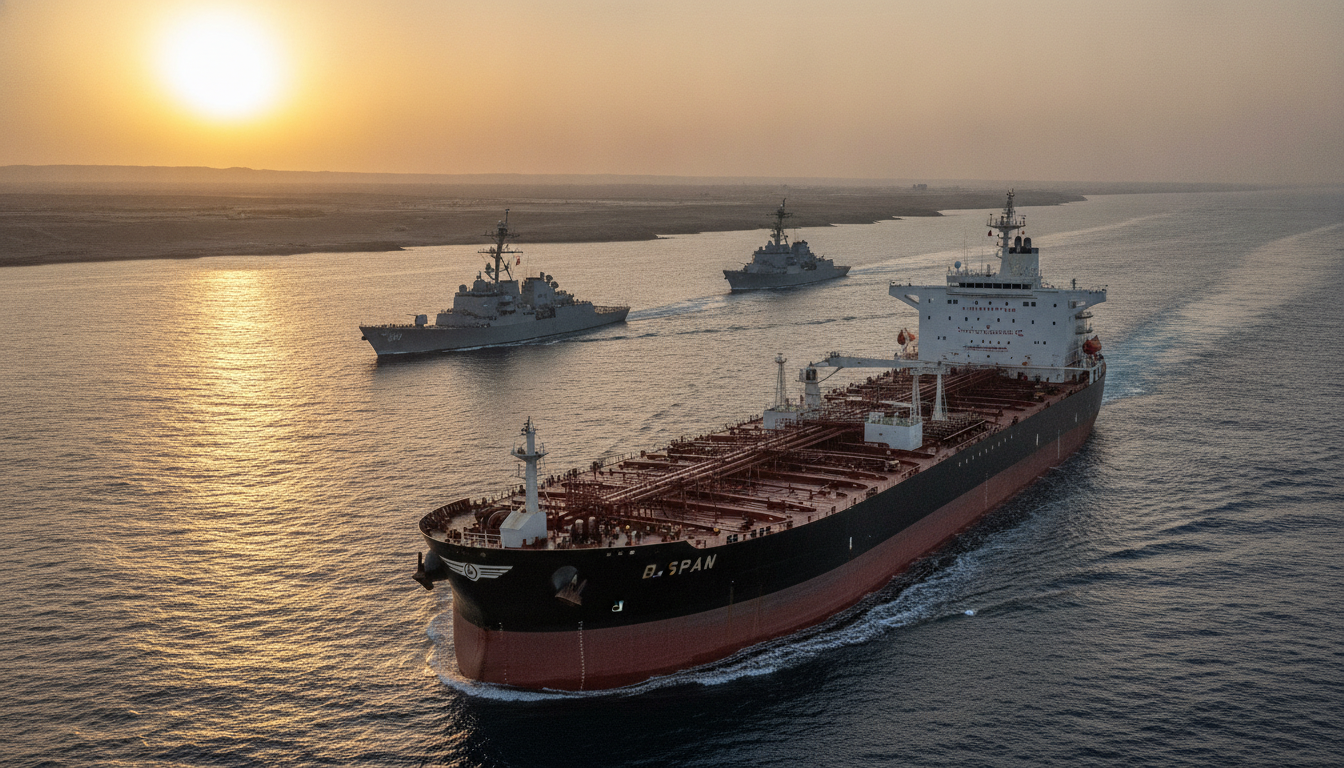
Strait of Hormuz Reopens: Tankers, Including Japanese Vessels, Resume Transit After US‑Iran Memorandum
US‑Iran memorandum prompted tanker transits through the Strait of Hormuz. MarineTraffic shows 200 supertankers in the Persian Gulf; 35 linked to Japan.
A surge of tanker movements through the Strait of Hormuz has been recorded following a memorandum between the United States and Iran aimed at ending hostilities. MarineTraffic, which tracks vessel positions and cargo data, reports roughly 200 ultra‑large crude carriers in the Persian Gulf, about 35 of which appear to be linked to Japan.
The renewed activity signals a cautious normalization of commercial maritime operations in one of the world’s most sensitive shipping corridors. Shipping companies and regional authorities are monitoring movements closely as vessels restart long‑delayed voyages toward the Indian Ocean.
US-Iran Memorandum Spurs Tanker Movements
A diplomatic exchange between Washington and Tehran that pointed toward a cessation of combat spurred an immediate uptick in vessel operations in the Gulf. Industry trackers and ship‑movement databases registered a clear shift in behavior among large tankers beginning in mid‑June 2026.
The memorandum reduced the immediate threat perception that had kept many tankers idle or sheltered inside the Gulf. Operators appear to be testing the waters for safe passage and preparing to resume scheduled deliveries after weeks of disruption.
AIS Signals Return After Weeks of Silence
For approximately a week before mid‑June, many tankers in the Persian Gulf operated with their Automatic Identification System (AIS) turned off, obscuring positions and destinations. Crew and company sources routinely cite operational safety concerns and the risk of targeting as reasons to suspend public tracking.
Starting around June 15, 2026, however, a growing number of vessels restarted AIS transmissions. Analysts interpret the return of signals as a deliberate step by operators to reestablish lawful navigation and to coordinate routes and bunkering ahead of transits through the Strait of Hormuz.
Scale of Vessels in the Persian Gulf
MarineTraffic data indicates the presence of about 200 ultra‑large crude carriers and similar large tankers within the Persian Gulf at the time of the reporting. That concentration reflects both persistent global demand for crude and the backlog of ships that had sheltered in the region during heightened tensions.
Of those vessels, MarineTraffic flagged roughly 35 as having a connection to Japanese interests — either through ownership, charter, or declared destination. The concentration of Japanese‑linked tonnage has drawn particular attention in Tokyo because of its implications for national energy supplies.
Japanese-linked Tankers Start Transit
Japanese vessels and those tied to Japan began resuming transit through the Strait of Hormuz in the same mid‑June window. Photographs and tracking logs show multiple tankers heading south from the Gulf toward the Indian Ocean, including the Japanese crude oil tanker TENZAN, which was observed transiting alongside a French LNG carrier.
The movement of Japan‑related tankers will be monitored by Japanese authorities and private shippers for signs of stable, repeated passage. A sustained return to normal schedules would ease short‑term supply concerns for Japan’s fuel markets, but uncertainty about insurance and route security remains.
Timeline of Restarted Navigation
Signals increased around June 15, 2026, when a number of ships that had been radio‑silent reactivated AIS to report positions and planned routes. Actual large‑scale departures and clear southbound transits were first recorded on the night of June 17, 2026 (UTC).
Further movements were observed in the days after, as more operators declared destinations and set course through the Strait of Hormuz toward the Indian Ocean. Observers note that this pattern reflects a phased recommencement of voyages rather than a single, abrupt reopening.
Implications for Global Energy Shipping and Security
The reappearance of tanker traffic through the Strait of Hormuz could help relieve shipping backlogs and lower near‑term price pressures if flows remain uninterrupted. For energy‑importing nations such as Japan, resumed transit reduces the logistical strain of rerouted cargoes and long detours around Africa’s Cape of Good Hope.
However, the return of traffic does not erase underlying security and commercial challenges. Insurance premiums for vessels calling at risk‑prone waters, rules on naval escorts, and contingency plans for sudden geopolitical reversals will remain central to commercial decisions in the coming weeks.
Maritime authorities, shipowners and insurers will be closely watching whether the observed pattern of resumed AIS broadcasts and southbound sailings continues. Ongoing verification of vessel identities and routes by independent trackers like MarineTraffic will be integral to assessing whether the Strait of Hormuz is entering a sustained period of safer passage.

