
Yuriko Koike to End Decade-Long Salary Halving for Tokyo Governor
Tokyo Governor Yuriko Koike will end her decade-long salary halving on July 31, 2026, restoring pay to pre-cut levels and reshaping prefectural pay rankings.
Strong opening: Koike announces end of salary halving
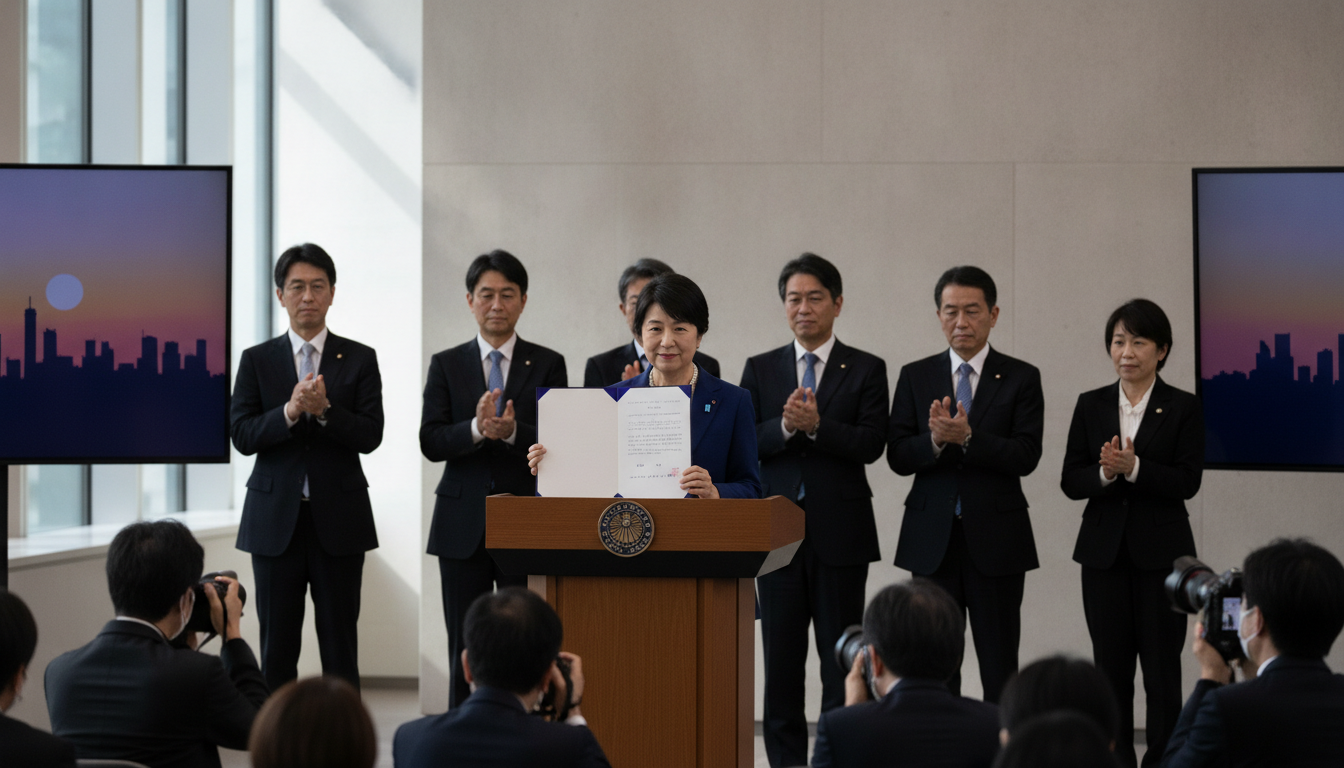
Yuriko Koike announced on June 19, 2026 that she will terminate the special salary halving for the Tokyo governor’s post at the end of July 2026. The decision ends a policy first introduced when she took office in August 2016 and cited by Koike as a symbolic "severe reform" measure. The governor said she would not seek an extension of the ordinance that reduced her monthly pay by half for the past decade.
Financial scale and prefectural comparisons
Before the halving, the governor’s monthly salary was 1,517,000 yen, which equates to roughly 31.33 million yen annually when allowances are included. Under the halving arrangement the monthly take-home was cut to about half that figure, making Tokyo’s governor the lowest-paid among the 47 prefectural governors in the national survey compiled by the Ministry of Internal Affairs and Communications as of April 2025. With the halving set to end on July 31, 2026, Tokyo’s governor salary will move toward the higher end of the national scale.
History of the measure and cumulative reductions
Koike pledged a 50% cut to her remuneration as part of her 2016 campaign platform and submitted an ordinance to that effect after assuming office in August 2016. The initial measure was passed as a one-year, time-limited provision but was renewed repeatedly through annual ordinance revisions. Over the roughly ten years since her first term began, the cumulative reduction in pay for the governor’s office has exceeded 100 million yen by simple arithmetic, according to municipal calculations tracing the repeated halving measures.
Assembly consultations and reasons for change
Officials said the governor’s decision was influenced in part by requests from Tokyo Metropolitan Assembly factions, who told Koike in interviews and consultations that her pay being the lowest among governors was problematic given her active role. Koike told reporters she had accepted such appeals from assembly groups that argued the symbolic halving had done its work and that continuing it could hinder perceptions of Tokyo’s governance. The metropolitan government has said it will not submit a new ordinance to extend the halving beyond the end of July.
Effect on metropolitan assembly pay and context
The move comes after a separate, earlier pay-cut history in the Tokyo Assembly. Following Koike’s 2016 cut, the metropolitan assembly imposed a 20% reduction in councillors’ allowances beginning in 2017 after councillors’ annual incomes briefly exceeded the governor’s under the halving. That assembly reduction, however, was ended in July 2025 and full allowances were restored to councillors at that time. Analysts note the interplay between executive and legislative pay decisions has been politically sensitive and influenced by public perception of fairness and fiscal symbolism.
Procedure and fiscal implications for the capital
Legally, the governor’s compensation is governed by metropolitan ordinances that the assembly must approve to alter or extend special measures. With the administration indicating it will not pursue an extension, the existing ordinance will lapse automatically on July 31, 2026 unless the assembly acts. Restoring the governor’s pay to its previous level will increase the metropolitan payroll burden for the executive office, but officials say the fiscal impact is limited relative to the broader Tokyo budget, and the primary effect will be on comparative pay rankings among prefectures.
Koike’s pledge to continue reform efforts
Despite ending the salary halving, Koike emphasized that the move does not signal a retreat from her stated commitment to reforming metropolitan government. She told reporters that the halving had served as a symbol of her approach to "cutting waste" and that her priorities on administrative reform would remain unchanged. The governor framed the restoration as a recalibration of symbolic measures rather than a policy reversal, and said she would focus on delivering results in areas such as infrastructure, disaster readiness, and fiscal management.
Koike’s announcement is likely to prompt renewed discussion across prefectural governments about executive compensation, symbolic austerity measures and the balance between public perception and administrative effectiveness. The metropolitan assembly is expected to consider the legal and political steps needed over the coming weeks before the ordinance expires on July 31, 2026.

