
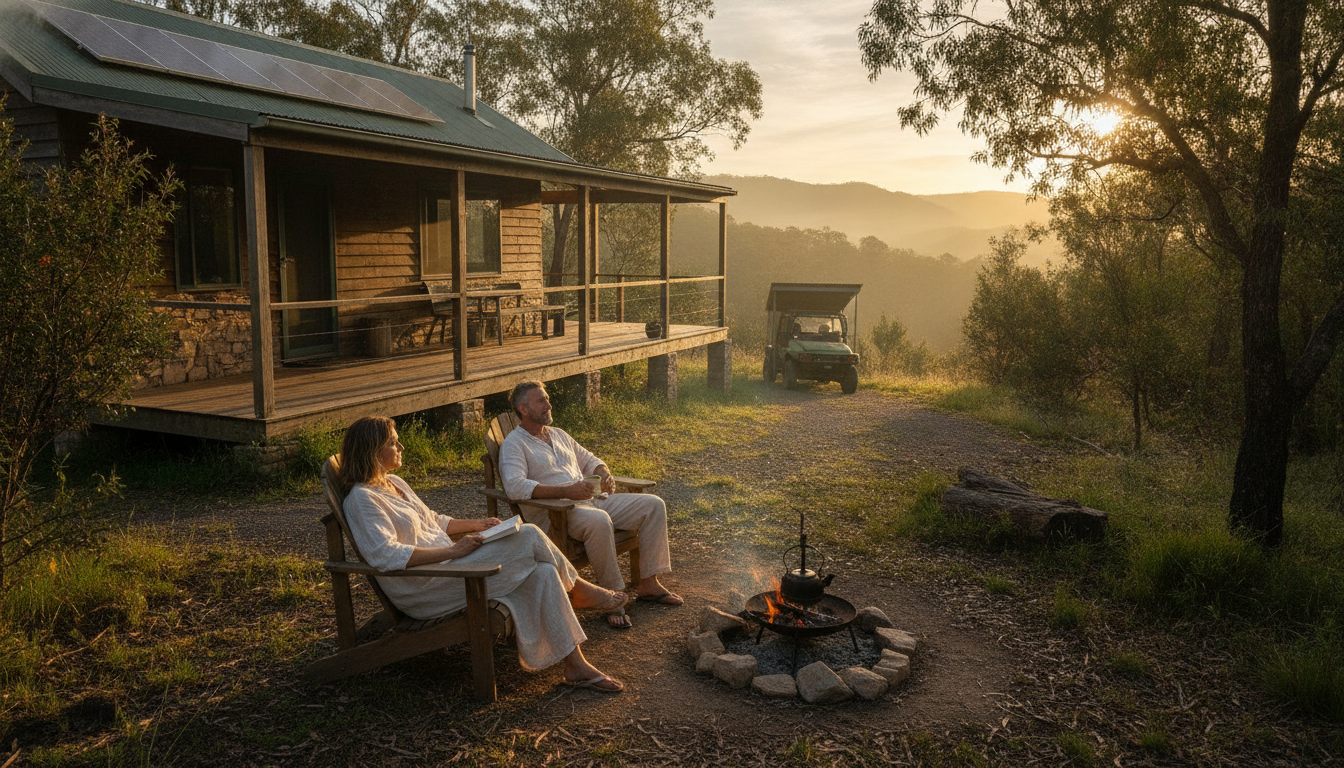
Off-grid cabins surge as Australians seek "intentional idleness" and digital detox
Australians are booking off-grid cabins and remote experiences in growing numbers as a response to digital burnout and urban stress, seeking what industry operators call "intentional idleness." Travel firms and property managers report rising interest in remote stays and guided nature hikes, with operators in Western Australia and other regions offering tailored, low-connectivity itineraries. The shift is reshaping regional tourism offers while prompting new conversations about sustainability and community impact.
Surge in Off-Grid Cabin Bookings
Bookings for off-grid cabins and remote stays have climbed steadily, according to travel operators and hosts who monitor reservation patterns. Demand spans short weekend escapes to weeklong retreats, driven by travellers prioritizing solitude, nature access and time away from screens.
Coastal shacks, bushland huts and island cabins are among the most sought-after options, with some properties fully disconnected from mains power and mobile coverage. These listings often market minimalism, privacy and an opportunity to slow down as core selling points.
Why Australians Are Choosing Intentional Idleness
Travel advisers and wellness practitioners say the phrase "intentional idleness" captures a deliberate retreat from the pace of modern life. For many Australians, the appeal lies not in inactivity for its own sake but in creating structured time to rest, reflect and recover from constant digital engagement.
Pandemic-era habits and ongoing workplace pressures have intensified interest in trips that prioritize mental restoration over sightseeing. The combination of ease of domestic travel and lingering concerns about international travel has reinforced the popularity of nature-based, low-tech escapes.
Operators Expand Remote Offerings
Tour operators have responded by expanding itineraries that pair off-grid accommodation with guided activities such as coastal hikes and bushwalks. Companies operating in Western Australia and other states now advertise packages that combine remote lodging with curated outdoor experiences, emphasizing safety and local knowledge.
Accommodation platforms and boutique operators report adding filters and search categories for off-grid cabins to help travellers find properties with low connectivity or renewable-energy setups. Hosts are also investing in clear guest guidance to set expectations for limited facilities.
Walks and Small-Group Nature Travel Gain Traction
Guided hikes and small-group nature travel are complementing the rise in cabin stays, offering structured ways to experience remote landscapes. Organisers highlight scenic routes, birdwatching and beachside walks as accessible activities that can be tailored for fitness levels and group size.
These offerings are often framed around stewardship and immersion, with guides sharing knowledge about local ecology and cultural history. For many participants, an organised hike provides a bridge between the comforts of a guided experience and the solitude of off-grid accommodation.
Rural Economies Benefit — and Face Pressure
Regional communities are seeing increased visitor spending as travellers seek remote stays, providing a boost to local businesses such as cafes, stores and small-scale tour operators. In some towns, demand for accommodation has encouraged property upgrades and the development of new hospitality services.
At the same time, higher visitation can stress fragile environments and local infrastructure, raising questions about capacity and long-term management. Local councils and community groups are increasingly involved in planning to balance tourism benefits with conservation and residents’ quality of life.
Environmental and Cultural Considerations
Sustainable practices are becoming a central selling point for off-grid cabins, with many hosts promoting composting toilets, solar power and low-impact waste management. Responsible operators are working with Indigenous custodians and local stakeholders to ensure that tours and stays respect cultural sites and seasonal restrictions.
Conservation-minded travellers are encouraged to follow "leave no trace" principles and to book with operators who contribute to local environmental initiatives. The sector faces the challenge of scaling responsible travel practices while meeting growing demand.
What Travelers Should Expect
Travellers choosing off-grid cabins should prepare for limited or no mobile reception, basic facilities and the need to bring essential supplies. Hosts typically provide detailed pre-arrival information about access conditions, weather readiness and onsite amenities to help guests plan safely.
Safety considerations include vehicle suitability for remote roads, awareness of fire risk during dry seasons and simple first-aid readiness. Many operators now make pre-trip briefings standard practice to ensure guests understand the conditions and expectations.
Outlook for Nature-Based Travel
Industry observers expect nature-based and low-technology travel to remain a significant segment of domestic tourism as preferences for wellbeing and digital respite persist. The trend is likely to spur further product diversification, from remote cabins to curated micro-adventures and wellness retreats in natural settings.
Success for the sector will depend on maintaining a balance between visitor demand, community capacity and environmental protection. Stakeholders from tourism operators to local governments will need to coordinate on infrastructure, education and sustainable management to ensure long-term viability.
Interest in off-grid cabins and intentional idleness reflects a broader reshaping of travel priorities, with Australians increasingly seeking trips that offer silence, space and a deliberate break from constant connectivity. Those trends are likely to continue influencing how the domestic tourism industry designs and markets experiences in the years ahead.

