
Australia bolsters social media regulator to press platforms on under-16 access
Australia social media regulator to receive stronger enforcement powers and doubled penalties, Prime Minister says, targeting platform access for children under 16.
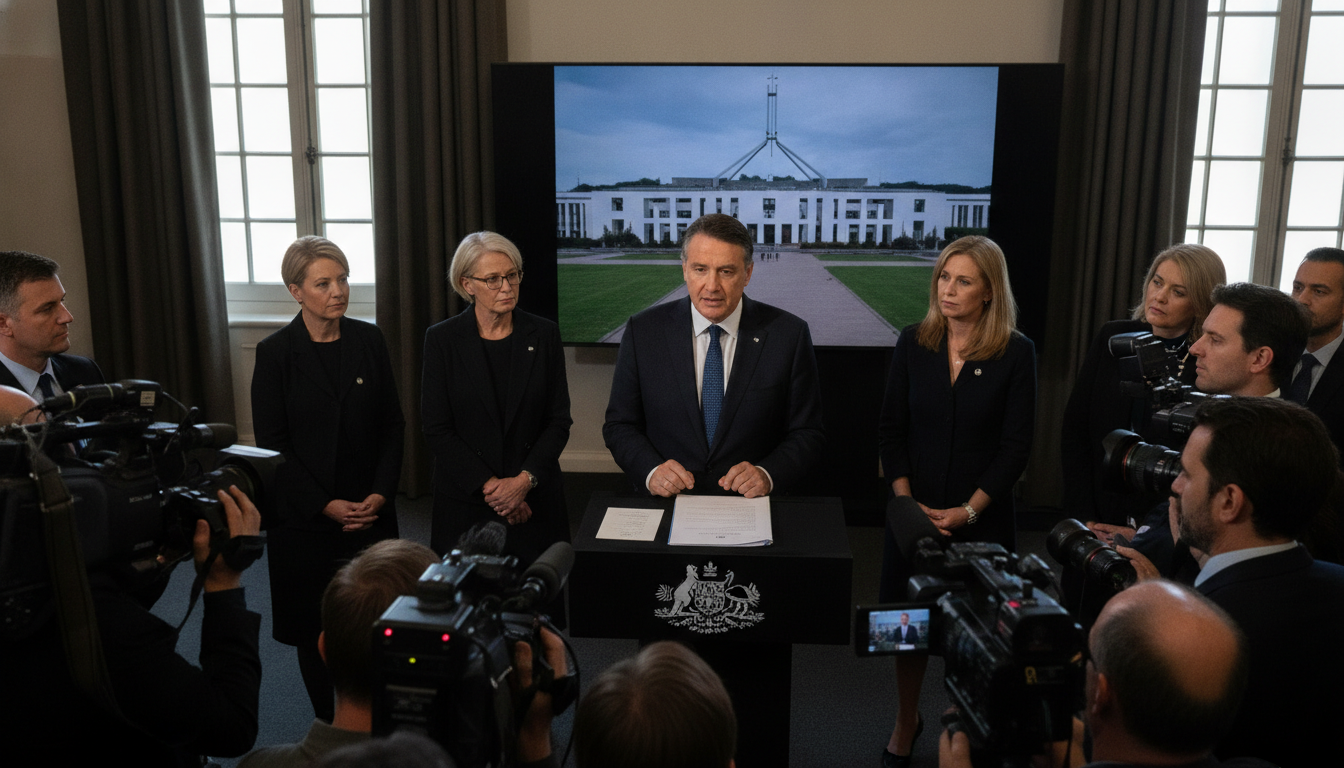
Australia will expand the powers of its social media regulator and double penalties for non-compliance in a bid to compel global platforms to keep children under 16 off their services, Prime Minister announced on June 26, 2026. The move, framed as a child safety and public-health measure, signals a more assertive government approach to digital platform governance. Officials say the strengthened regulator will be able to act faster and impose stiffer sanctions where companies are judged to be "not doing enough" to prevent underage access.
Government doubles fines and elevates enforcement priority
The government said it will raise the financial consequences for social media companies that fail to meet new compliance standards, effectively doubling current penalties to increase the deterrent effect. Officials argued that higher fines are needed because voluntary industry efforts have often been too slow or inconsistent to protect younger users. Lawmakers framed the changes as part of a broader shift from persuasion to enforcement when addressing harms linked to social platforms.
The policy announcement places child protection at the center of regulatory priorities and signals the government’s readiness to use financial penalties as a lever for faster change. The administration also tied the increased fines to measurable compliance requirements that platforms will be expected to meet within set timeframes.
Regulator to receive broader powers to compel action
Under the announced package, the Australia social media regulator will gain widened powers intended to accelerate investigations and remedial action. Government officials said the regulator will be able to request compliance data, issue binding directions, and escalate enforcement where platforms fail to demonstrate adequate age‑verification or safety measures. These expanded authorities are intended to close enforcement gaps critics say have allowed platforms to defer responsibility behind complex legal and technical barriers.
Ministers emphasized the need for robust tools to secure timely responses from companies that operate across borders, and to prevent delays caused by jurisdictional disputes. The regulator’s mandate will be strengthened to prioritize rapid intervention in cases posing immediate risks to children.
Measures aimed at keeping children under 16 off platforms
A central element of the reforms is a focus on preventing those under 16 from creating or accessing accounts on major apps and sites. The government’s statement described the target cohort as particularly vulnerable to grooming, disinformation, and mental-health harms linked to prolonged social media use. Officials cited concerns that existing age-gating and parental-consent mechanisms are often inadequate or easily bypassed.
Policy designers are expected to require platforms to implement more rigorous age-assurance systems and to demonstrate steps taken to verify user ages. The measures will also ask companies to supply evidence that advertising, recommendation algorithms, and interaction features have been adjusted to reduce exposure and engagement by underage users.
Industry concerns over feasibility and privacy risks
Platform operators are likely to raise objections about the technical and privacy implications of more invasive age checks and data sharing with regulators. Industry groups have previously warned that stronger verification could force companies to collect sensitive identity data or outsource checks to third parties, potentially increasing privacy risks. There are also practical challenges in verifying ages for millions of users across different jurisdictions and account types.
Legal experts predict firms will scrutinize the new rules for consistency with existing privacy and consumer laws, and may push back through litigation or negotiated compliance timelines. Companies may also lobby for transitional arrangements that balance child safety objectives with operational constraints and user privacy protections.
Parliamentary process and international implications
The government said it will bring forward legislative proposals to enshrine the new powers and penalty regime, opening a period of consultation with industry, advocacy groups and regulators. Draft legislation is expected to set out specific compliance obligations and enforcement mechanisms, after which Parliament will debate amendments and timing for implementation. Ministers indicated they would seek a relatively swift timetable to ensure the regulator can act under the strengthened framework without undue delay.
Observers note that Australia’s move could influence other jurisdictions grappling with platform harms and child protection, adding to a global patchwork of regulatory approaches. Policymakers in Europe and North America have already been exploring measures targeting algorithmic harms and age verification, and an Australian precedent may shape industry practices worldwide.
The announcement marks a notable escalation in Canberra’s stance toward major social media companies, signaling that the government intends to pair higher penalties with clearer, enforceable duties. Stakeholders across government, industry and civil society will now focus on the specifics of the proposed laws and how they are calibrated to protect children while safeguarding user privacy and maintaining a functioning online ecosystem.

