
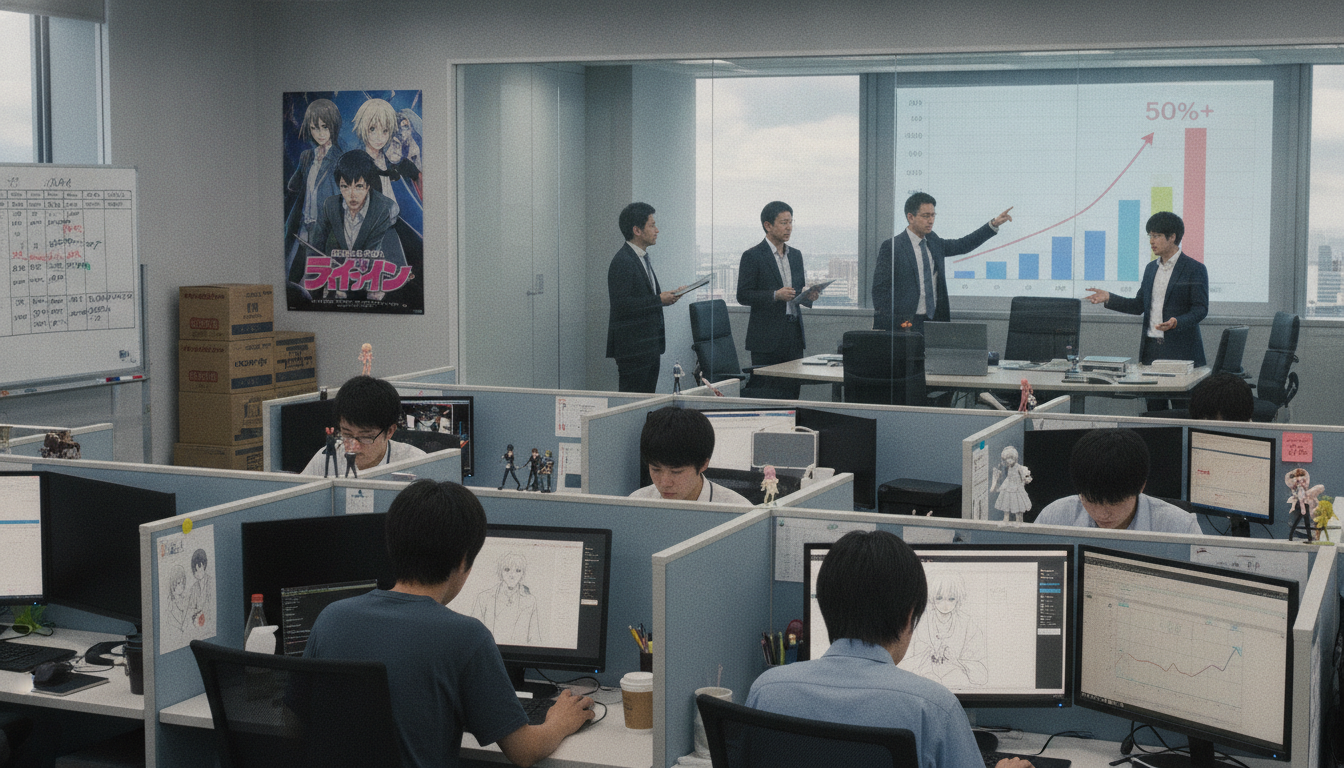
Anime production costs surge more than 50% as global demand drives streaming wars
Japanese anime production costs have risen by more than 50% in recent years, straining studios as global streaming platforms spend heavily to secure titles and subscribers.
TOKYO — The cost of producing Japanese animation has climbed sharply, industry sources and market trends show, with anime production costs increasing by over half in the past several years. Streaming services and international distributors are investing more to acquire and co-produce series, prompting a scramble for content that has altered how projects are financed and scheduled.
Global demand pushes budgets higher
The expansion of international audiences has lifted the commercial value of Japanese animation, pushing studios to invest in larger-scale productions and higher-quality visuals. Producers say that as global viewership grows, expectations for production values and release schedules have risen in tandem.
This surge in demand has translated into higher fees for key creative roles and increased costs for outsourcing, software, and animation hardware. The result has been a steady escalation in per-episode budgets, with many projects now requiring longer lead times and larger teams.
Streaming platforms expand spending to secure titles
Major streaming platforms, responding to intense competition for subscriber growth, have increased spending on licensing and original anime commissions. Companies that specialize in anime distribution are bidding aggressively to obtain exclusive rights and to co-finance high-profile series.
These strategic investments are intended to differentiate streaming catalogs and to lock in long-term viewership, but they have also raised the bar for what producers must deliver. For studios, partnering with foreign streamers offers financing relief while also exposing them to demands tied to international release windows and localization.
Studios face tighter margins and production delays
Smaller and mid-sized animation studios report that rising production costs have squeezed profit margins, making it harder to absorb unexpected delays or revenue shortfalls. Several studios have restructured workflows and shifted more tasks in-house to control quality and timelines.
Financial pressure has led some studios to limit the number of simultaneous projects they accept, creating bottlenecks in the production pipeline. These constraints contribute to schedule slippages and can delay premieres, affecting broadcasters and streaming partners alike.
Animators press for higher pay and better conditions
As budgets expand, so do calls from the creative workforce for improved compensation and working conditions. Animator collectives and guild-like groups have increasingly pressed for reforms that would guarantee living wages and reduce reliance on long freelance hours.
Industry advocates argue that sustainable pay and career pathways are essential to retaining talent and maintaining quality in the long run. Studio executives acknowledge the need to balance wage improvements with financial viability, and some are exploring revenue-sharing models and formalized contracts.
Co-productions and outside financing rise
To mitigate rising costs, producers are turning to international co-productions, sponsorships, and diversified revenue streams. By bringing foreign partners into the financing mix, studios can spread risk, secure larger budgets, and access overseas marketing channels.
Corporate sponsorships and brand tie-ins are also being used to underwrite portions of production costs without compromising creative control. These arrangements require careful negotiation to preserve artistic intent while meeting commercial expectations.
Implications for viewers and the market
For audiences, the increase in anime production costs may mean fewer but higher-budget series, accompanied by more simultaneous global releases and polished localization. Viewers should expect streaming platforms to continue shaping which projects receive greenlights and how quickly they reach international markets.
Market analysts warn that sustained cost inflation could lead to consolidation among studios and publishers, altering the industry landscape. At the same time, increased investment might foster ambitious new content that broadens anime’s appeal and revenue potential worldwide.
The rapid rise in anime production costs has introduced new financial complexity into a sector that is both culturally influential and commercially lucrative. Continued negotiation among studios, creators, and streaming platforms will determine whether the industry can convert higher budgets into sustainable growth and enduring creative output.

