
MUFG Bank satellite imagery system to cut 10,000 inspection hours from fiscal 2027
MUFG Bank will deploy a satellite imagery system using artificial intelligence in fiscal 2027 to inspect real estate collateral, aiming to cut up to 10,000 annual inspection hours and speed lending decisions.
MUFG Bank said the new MUFG Bank satellite imagery system will combine high-resolution satellite photos with machine-learning analysis to remotely inspect properties used as loan collateral beginning in fiscal 2027. The bank expects the technology to significantly reduce time spent on on-site visits and improve the pace of credit reviews for small and medium-sized enterprises. MUFG also indicated it may share the system with regional banks confronting chronic labor shortages.
MUFG to deploy satellite imagery and AI in fiscal 2027
MUFG announced plans to bring the satellite imagery system into service in fiscal 2027, the bank’s timeline for operational rollout. The move reflects growing interest in remote asset monitoring across Japan’s banking sector as institutions seek productivity gains. Officials framed the initiative as a way to modernize collateral checks while preserving credit quality.
How the new inspection system will operate
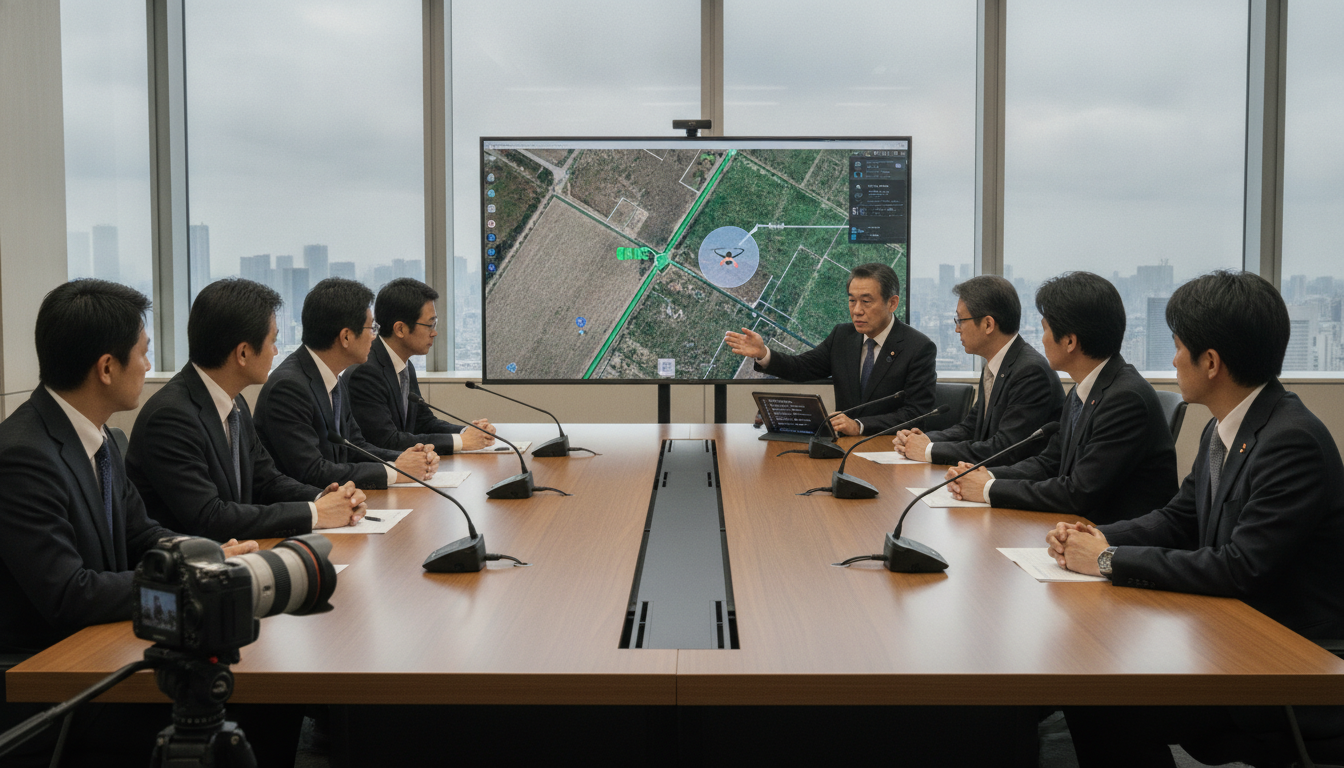
The planned system will feed satellite images into artificial intelligence models trained to detect building conditions, land-use changes and other visible risk indicators. MUFG said the technology will flag anomalies and changes that warrant follow-up, allowing staff to prioritize which locations need physical inspections. The approach is designed to complement, not wholly replace, traditional on-site checks in cases where legal or technical issues require human verification.
Projected efficiency and resource savings
MUFG estimates the program could shave as much as 10,000 hours a year from time currently spent on property inspections. That reduction would lower travel and administrative workloads for loan officers, freeing staff to focus on client-facing tasks and credit analysis. Bank managers see the time savings as a way to redeploy personnel toward relationship-building with small businesses and more complex lending decisions.
Potential sharing with regional banks facing labor shortages
Bank representatives said the MUFG Bank satellite imagery system could be offered to regional lenders that are grappling with an aging workforce and fewer young recruits. Many regional banks in Japan have reported difficulty maintaining inspection teams, and a shared remote-monitoring service would allow smaller institutions to access advanced tools without large upfront costs. MUFG positioned the system as a potential platform for wider industry use, subject to commercial arrangements and data-sharing agreements.
Data accuracy, compliance and privacy safeguards
MUFG acknowledged that remote sensing has limits and that image resolution, cloud cover and seasonal changes can affect assessments. The bank indicated it would retain human oversight for valuation adjustments and legal checks where required by regulation. Data security and customer privacy were cited as priorities, with officials saying safeguards will be put in place to control access to imagery and analysis results.
Impact on small-business lending and regional economies
By speeding collateral inspections, MUFG expects faster credit decisions that could benefit small and medium-sized enterprises seeking working capital or expansion loans. Quicker, lower-cost evaluations may help reduce administrative bottlenecks that have delayed financing for some local firms. Observers caution, however, that remote inspections must be integrated carefully to avoid unintended risk-taking or over-reliance on automated signals.
As MUFG prepares to test and refine the system ahead of fiscal 2027, the bank will need to calibrate algorithms, establish workflows for exception handling and negotiate terms with potential regional partners. Implementation choices will determine whether the technology delivers the promised efficiency gains while maintaining prudential standards.
The initiative marks a notable step in Japan’s banking sector toward using satellite imagery and artificial intelligence in routine credit operations, offering a model other lenders may watch closely as they confront population decline and workforce constraints.

