
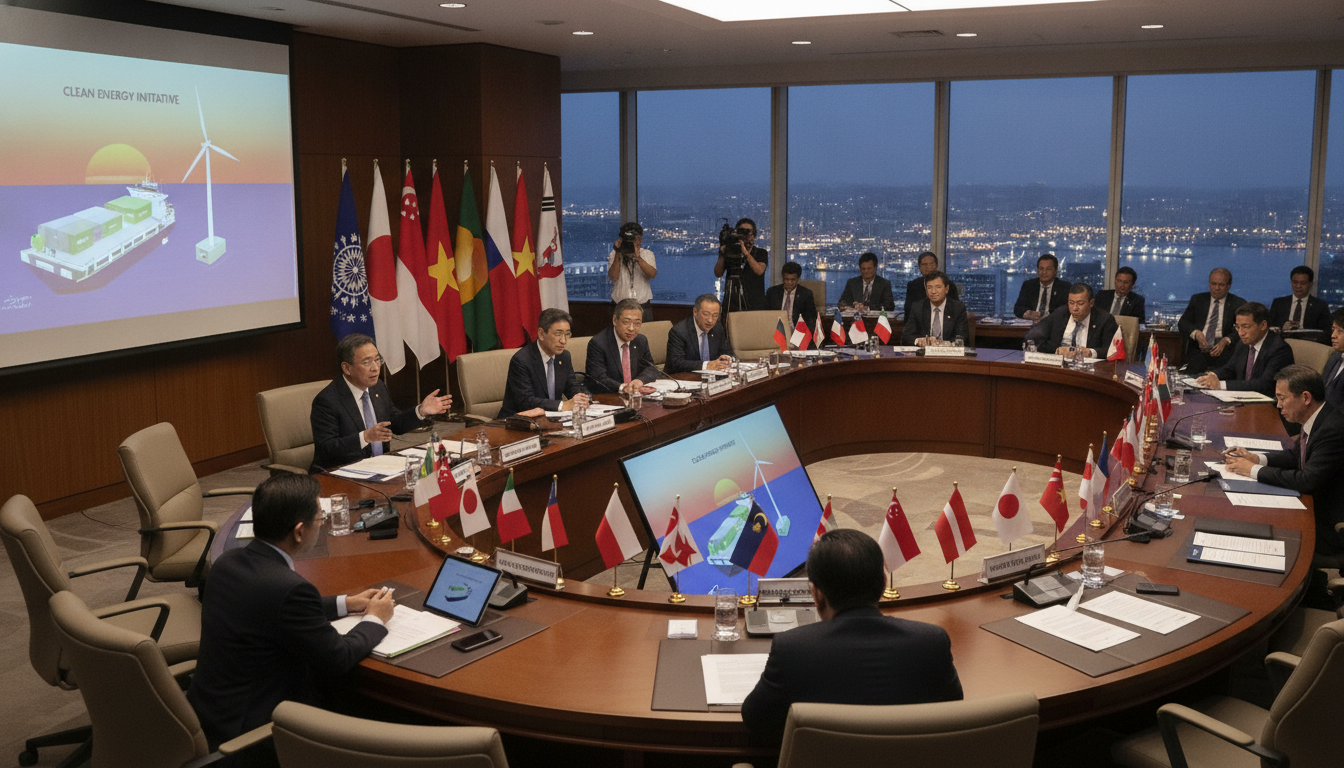
Asia’s future of mobility debated at Nikkei Asia Forum APAC 2026 in Bangkok
Nikkei Asia Forum APAC 2026 in Bangkok saw leaders chart the future of mobility and carbon neutrality amid oil supply risks after Iran-related disruptions.
BANGKOK — Industry executives and policymakers gathered at the Nikkei Asia Forum APAC 2026 on July 16 to debate the future of mobility and concrete steps toward carbon neutrality. Representatives from major firms including Didi Global, Toyota Motor Asia and SCG framed recent geopolitical disruptions in the Middle East as a catalyst for accelerating shifts to cleaner energy and diversified fuel sources. Panelists said the twin priorities of energy security and emissions reduction are now shaping corporate investment and regional infrastructure planning. The session underlined how mobility players are responding to near-term supply shocks while charting longer-term decarbonization pathways.
Panel Highlights Shift to Cleaner Energy
Panelists stressed that electrification and alternative fuels are moving from strategic options to operational priorities for transport companies. Toyota Motor Asia and logistics partners described increased commitments to battery electric vehicles, fuel-cell technology and hybrid systems within their fleets. Didi Global representatives emphasized that ride-hailing and platform operators are adapting procurement and driver incentives to speed EV adoption. Several speakers noted that these shifts also aim to reduce exposure to oil market volatility.
Companies Cite Iran Conflict for Supply Concerns
Executives linked recent disruptions tied to the Iran conflict to renewed attention on fuel security across Asia’s transport sector. Speakers said interruptions to shipping routes and heightened geopolitical risk have shown how quickly supply chains for oil and refined fuels can tighten. Those concerns are reinforcing corporate rationale for diversifying energy sources and investing in domestic or regional alternatives. The panel framed these developments as immediate drivers that complement long-term climate commitments.
Toyota and Didi Outline Strategic Shifts
Toyota Motor Asia’s leadership described a multi-track approach combining electrification, hybrid deployment and hydrogen research to maintain operational resilience. Toyota emphasized pragmatic timelines for large-scale fleet changes while continuing investments in charging and hydrogen refueling networks. Didi Global executives discussed platform-level measures such as subsidies, vehicle financing and driver training to lower barriers to EV switching. Both companies presented their strategies as part of broader ecosystem coordination rather than isolated efforts.
Infrastructure and Investment Challenges in Asia
Panelists identified charging infrastructure, grid capacity and heavy-vehicle electrification as persistent bottlenecks for the region. Public and private investment will be needed to upgrade distribution networks and install high-capacity chargers along major freight corridors. Speakers warned that without synchronized investment, early EV rollouts could be constrained by uneven access, particularly outside major urban centers. Financing models, including public-private partnerships and targeted incentives, were highlighted as essential to bridge the gap.
Regulatory and Policy Signals from Governments
Several speakers called on governments to provide clearer policy frameworks to accelerate the transition while protecting energy security. Measures cited included harmonized vehicle standards, incentives for low-emission fleets and support for alternative fuel infrastructure. Panelists noted that predictable regulation would reduce investment risk and help coordinate cross-border charging and hydrogen supply chains. Officials in the audience responded that policy roadmaps are being updated to reflect both climate goals and lessons from recent supply disruptions.
Market Implications and Near-Term Outlook
Industry participants said consumer demand for EVs and low-emission services is rising but uneven, with affordability and charging convenience remaining decisive factors. Fleet operators expect incremental electrification in the next three to five years, with heavier vehicles likely to rely on hybrid or hydrogen solutions for longer. Market analysts on the panel predicted that supply pressures could accelerate procurement diversification and stockpiling of critical components. Companies agreed that resilient, decarbonized mobility systems will require coordinated moves across manufacturing, logistics and energy sectors.
The forum concluded with a consensus that Asia’s mobility transition will be shaped as much by immediate energy security concerns as by long-term climate targets, and that coordinated investment and policy action are needed to deliver both resilience and emissions reductions.

