
Tokyo August festivals: complete guide to Bon Odori, Awa Odori, lanterns, Comiket, fireworks and Summer Sonic
Tokyo August festivals guide: dates and highlights for Bon Odori, Awa Odori, Asakusa lantern floating, Comiket, fireworks and Summer Sonic plus visitor tips.
August ushers in the peak of the Tokyo August festivals calendar, when traditional Bon Odori dances, regional Awa Odori parades, river lantern ceremonies and large-scale pop-culture gatherings all unfold across the city. The variety of events—from intimate neighborhood dances to mass gatherings at Tokyo Big Sight and Odaiba—means residents and visitors have multiple ways to experience Tokyo’s summer culture. This guide lays out key dates in August 2026 and practical advice for attending the city’s major festivals safely and comfortably.
Bon Odori season fills neighbourhood parks across Tokyo
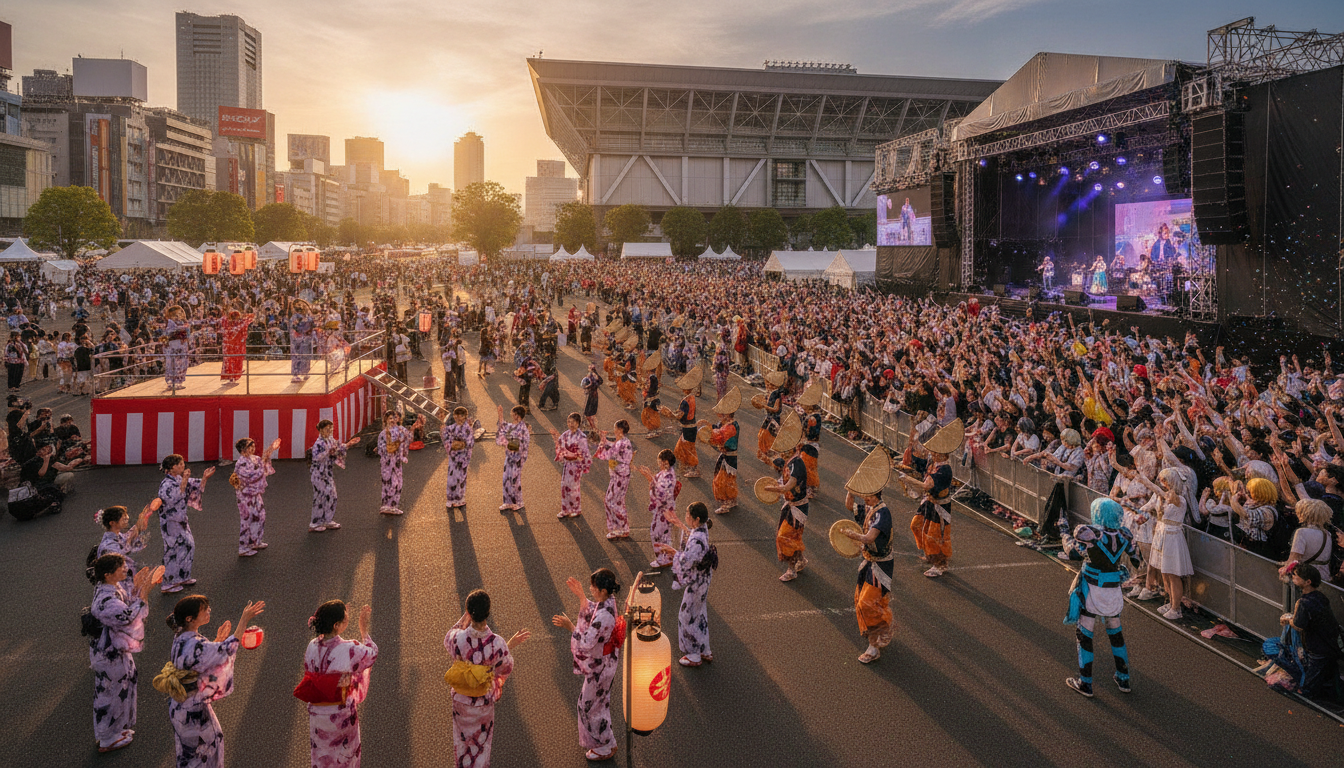
Bon Odori events take place throughout August 2026 and form the backbone of Tokyo’s summer festival scene, with community centers, parks and shrine precincts hosting dance circles each evening. Rooted in the Obon tradition, these dances were historically performed to welcome ancestral spirits; today they serve as communal celebrations where locals and visitors alike can join in. Most Bon Odori are free to attend, and many festivals provide simple choreography instructions so newcomers can participate without prior experience.
Attendance patterns vary by borough, with larger wards staging multi-night programs while smaller neighborhoods host single-evening gatherings. Expect food stalls, portable stages and local volunteers organizing perfomances and lantern displays. If you plan to take part in a Bon Odori this August, arrive early to secure a good viewing spot and consider renting or purchasing a yukata for a traditional summer look.
Kōenji and Shimokitazawa host Awa Odori parades on set dates
Awa Odori, the high-energy variant of Bon Odori that originated in Tokushima Prefecture, will be held in Tokyo on specific dates in August 2026 and draws particularly large crowds. Shimokitazawa stages its Awa Odori on August 22–23, 2026, offering a compact urban route with lively local troupes. The Kōenji Awa Odori, scheduled for August 29–30, 2026, is Tokyo’s most famous Awa Odori event and has been known to attract crowds in the hundreds of thousands to a million on peak nights.
The Awa Odori is distinguished by alternating tempos, energetic shouts and distinctive costumes that range from simple happi coats to elaborate kimono and straw hats for female dancers. Streets near the stations can become extremely crowded after 5:00 pm when parades begin, so allow extra time for transit and plan a rendezvous point if attending with a group. For a less frenetic experience, attend earlier in the evening or seek out smaller community processions in adjacent neighborhoods.
Asakusa Tōrō Nagashi lantern floating scheduled for August 15, 2026
Asakusa’s Tōrō Nagashi, the lantern-floating ceremony on the Sumida River, is scheduled for August 15, 2026 and remains one of Tokyo’s most evocative Obon observances. Organizers typically float around 2,500 lanterns adorned with handwritten messages and names, creating a band of light that moves down the river as dusk falls. Lanterns are available for purchase on the day and can also be pre-ordered and shipped to a Japanese address in advance for those who prefer to reserve their place.
The event includes candle distribution at the venue and is free for spectators, though the riverside promenades and bridges fill up quickly after sunset. Visitors should be mindful of river safety and the solemn nature of the ceremony; while the atmosphere is picturesque and contemplative, it is also a ritual tied to remembrance for many attendees. Plan to arrive well before dusk to find an unobstructed viewing area and to avoid the densest points of pedestrian traffic.
Fukagawa Hachiman Festival runs August 12–16, 2026 with water purification rituals
The Fukagawa Hachiman Festival, centered at Tomioka Hachimangū in Fukagawa, is set for August 12–16, 2026 and is celebrated as one of Edo’s three great festivals. Long associated with water purification, the festival’s procession culminates with portable shrines splashing through the streets and offerings on August 16, a spectacle that has earned the event the nickname “the water-splashing festival.” The ritual dousing is intended to purify participants and watchers, and it provides a practical respite from summer heat.
Over five days, visitors can expect food stalls, mikoshi (portable shrine) processions and a vibrant street-level atmosphere that brings neighborhoods together. Because the main day involves close-contact rites and water being thrown among large crowds, attendees should prepare to get wet and be careful with electronics and valuables. Locals often wear lighter clothing or waterproof outer layers, and many international visitors choose to observe from sidewalk vantage points rather than entering the densest areas.
Comiket and Tokyo Idol Festival draw massive, specialized audiences in mid-August
Two very different mass gatherings are scheduled in mid-August 2026 that cater to niche and mainstream pop-culture fans alike. Summer Comiket takes place at Tokyo Big Sight on August 15–16, 2026 and remains the focal point for doujinshi markets, exclusive merchandise and cosplay culture. Attendees should be prepared for very large, concentrated crowds and for booths to sell out early in the day; many participants recommend checking artists’ social channels in advance to locate sought-after booths.
Tokyo Idol Festival, held July 31–August 2, 2026 at Odaiba Central Square and Diver City, celebrates J-pop idol culture with more than 200 acts across stages, meet-and-greets and limited merchandise. The festival’s multi-day format caters both to fans following specific groups and to general visitors wanting to sample idol performances. Both events require careful logistical planning—tickets, hydration, meeting points and crowd exits should be mapped in advance—because the sheer density of people can make navigation slow and physically demanding.
Fireworks displays and Summer Sonic provide traditional spectacle and international music
Throughout August 2026, Tokyo’s fireworks season continues with displays across the metropolis that offer traditional spectacle and neighborhood atmosphere as food stalls and summer outfits prevail. Fireworks nights provide quintessential Japanese summer imagery: families and friends in yukata, long lines at yatai stalls and packed riverbanks or park perimeters. For safety and comfort, select vantage points early in the evening and check whether local wards assign paid seating or designate crowd zones for better viewing.
Summer Sonic is scheduled for August 14–16, 2026 at Zozo Marine Stadium and associated sites in Chiba and runs concurrently in Osaka, bringing international headliners and domestic talent to the Tokyo area. The festival’s lineup for 2026 includes well-known names such as David Byrne, The Strokes and Jamiroquai alongside contemporary artists like Jennie, Holly Humberstone and Steve Lacy. Organizers reported high demand for tickets, with many multi-day passes sold out, so prospective attendees should verify remaining single-day tickets and consider official resale or box-office options.
Practical advice on travel, weather, safety and attire for attending August festivals
August in Tokyo is hot and humid, and city temperatures routinely remain high into the evening, so adequate hydration and sun protection during daytime activities are essential. Evenings can feel cooler but still muggy, and festival crowds intensify heat exposure; carry a reusable water bottle, take regular breaks in shaded or air-conditioned locations and use cooling towels or portable fans where allowed. Many festivals have vendor stalls selling drinks, but lines can be long and prices may be higher than in retail outlets.
Transport logistics are critical: arrive early, check train schedules and expect station exits near festival sites to be congested after performances end. For large events such as the Kōenji Awa Odori or fireworks at popular riverside locations, plan return journeys before the final procession or display if possible, because trains and buses can be delayed or suspended briefly. Keep tickets and reservation details easily accessible on your phone and identify designated meeting points in case of separation from companions.
Respectful behavior and local customs enhance the festival experience for everyone involved, so observe queuing etiquette at food stalls, follow instructions from police and event staff, and keep shrine precincts and riverbanks free of litter. While many events are family-friendly, others—Comiket in particular—have historically included content intended for adults, so check age recommendations and event notices before attending with children. Lastly, monitor weather forecasts and ward advisories during August 2026 for typhoon warnings or heavy rain that can prompt schedule changes or cancellations.
Tokyo’s August calendar offers a rare convergence of traditional and contemporary culture, presenting opportunities to see centuries-old rituals alongside modern music and pop gatherings. Whether you plan to join a neighborhood Bon Odori, watch lanterns drift on the Sumida River on August 15, or navigate the crowds at Comiket, advance planning and respectful participation will ensure a memorable experience.

