
UN secretary-general selection enters decisive phase as Latin America candidates and global figures vie for top post
As United Nations Secretary-General selection gains momentum, member states and advisers are preparing for a contest that will name the 10th UN chief before the incumbent leaves at year-end. The UN secretary-general selection is expected to centre on candidates from Latin America under regional rotation, but the final choice will hinge on acceptance by the five permanent members of the Security Council. With António Guterres scheduled to step down at the end of the year, diplomats say the coming months will be a test of diplomacy and compromise inside the world body.
Candidates Largely from Latin America
A long-standing, though unwritten, regional rotation in practice points the next secretary-general toward Latin America, and most declared contenders come from the region. Leading figures include Argentina’s Rafael Grossi, currently head of the IAEA, and Costa Rica’s Rebecca Grynspan, the UNCTAD chief with extensive UN institutional experience. Also in the field are Ecuador’s María Fernanda Espinosa, a former president of the UN General Assembly, and Guyana’s Carolyn Rodrigues-Birkett, a diplomat with recent Security Council exposure.
Former presidents and seasoned international officials in contention
The roster of hopefuls includes former heads of state whose resumes underscore political as well as diplomatic experience. Chile’s Michelle Bachelet, who served twice as president and has held senior UN human rights and women’s agency positions, is among the better-known names. Senegal’s Macky Sall, the former president of a West African state, is also a candidate and represents one of the few entrants from outside Latin America in this cycle.
Security Council picks the leading candidate; P5 veto remains decisive
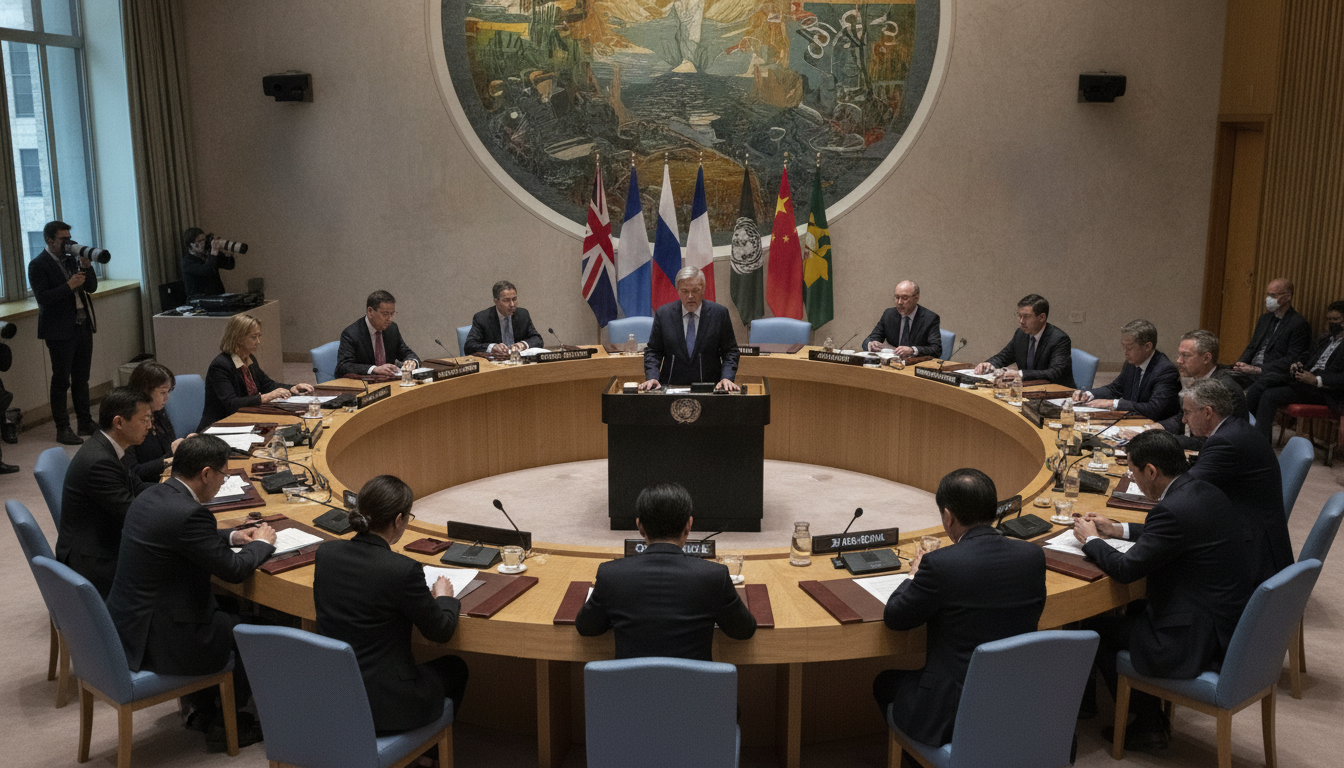
Formally, the Security Council’s 15 members whittle the field to a recommended candidate and present that name to the General Assembly for appointment. In practice, the five permanent members—China, France, Russia, the United Kingdom and the United States—must refrain from using their vetoes, making their tacit agreement the linchpin of selection. Diplomats describe the process not as a simple popularity contest but as a negotiation to find “the most acceptable person” to all five powers.
United States pressure and geopolitical fault lines
Observers note that the United States, the UN’s largest financial contributor, plays an outsized role in shaping outcomes, with the current U.S. administration signaling that it will press for candidates aligned with its priorities. Washington’s stance, and whether it exercises or threatens to exercise veto power, could be decisive in determining who survives Security Council scrutiny. Other capitals are already weighing how their preferences intersect with U.S. policy, creating complex bargaining dynamics.
Gender push and calls for a female secretary-general
The push for the first woman to lead the United Nations, long a feature of past selection campaigns, has resurfaced in this contest. Four women have declared their candidacies or are widely discussed as viable contenders, renewing calls from gender advocates and multiple member states for historic change at the top of the organization. Supporters argue a woman leader could reshape priorities on development, human rights and institutional culture, while opponents caution that regional rotation and great-power agreement will likely be the decisive factors.
Profiles, national ties and Japan’s diplomatic interest
Beyond regional and gender considerations, national relationships and personal ties will factor into the informal tallying of support. Some candidates are noted to have professional links with Japan and other influential UN partners, which could influence both bilateral lobbying and votes. Campaigning is expected to include quiet diplomacy, outreach across capitals and detailed briefings on candidates’ plans for UN reform, finance and peace-and-security priorities.
Timeline and what to watch before year-end
The timetable now points to intensified consultations within the Security Council in the months ahead, followed by a formal recommendation to the General Assembly once a leading contender clears the P5 hurdle. The next secretary-general will serve a five-year term, renewable once, and will inherit an organization in its 81st year with pressing crises on multiple fronts. As the process unfolds, key signals will include which candidates secure support from multiple P5 members and whether any stalemate triggers further rounds of negotiation.
The coming weeks will test member states’ ability to reconcile regional rotation, calls for gender representation and the geopolitical priorities of major powers in selecting a leader to guide the United Nations through an increasingly fraught international landscape.

