
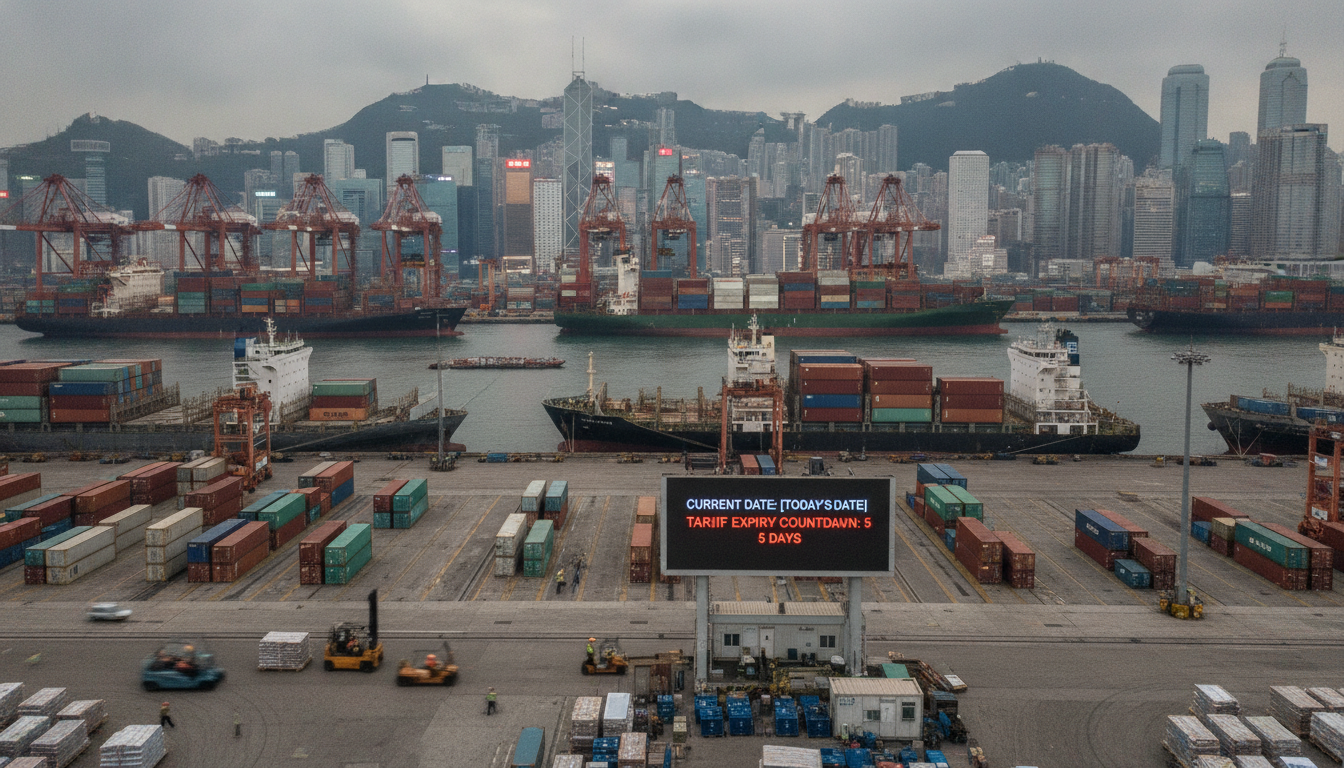
Trump tariffs set to expire on July 24, 2026, prompting U.S. plans for new targeted levies
U.S. temporary 10% global tariff expires July 24, 2026, spurring new proposals to replace it and prompting importers and Asian partners to brace for disruption.
NEW YORK — Asian trading partners and global markets are bracing after President Donald Trump’s temporary 10% tariff on most imports was scheduled to expire on July 24, 2026, a move that has accelerated U.S. plans to roll out new, targeted duties. The so‑called Trump tariffs, imposed under Section 122 of the Trade Act of 1974 after earlier broad levies were struck down, have already prompted companies to rush shipments into the United States to avoid any interim uncertainty. (apnews.com)
White House proclamation and legal basis
The 10% ad valorem surcharge was established by a presidential proclamation that cited Section 122 authority as a stopgap after broader emergency‑based tariffs were invalidated by the courts. The proclamation applied a uniform 10% rate to most imports with limited exclusions and was intended as a temporary measure while the administration develops longer‑term tools. Officials framed the levy as a mechanism to address large trade imbalances and to give negotiators leverage with trading partners. (whitehouse.gov)
Administration readies targeted tariffs on 60 trading partners
Senior U.S. trade officials have signalled plans to replace the blanket surcharge with a package of new, country‑specific duties, including proposals that would impose at least 10% additional tariffs on roughly 60 trading partners. The new measures are being advanced around forced‑labor investigations and other probes that would give the administration a narrower statutory footing for sustained duties. The proposals are designed to avoid a lapse in protection for U.S. industries by having the fresh levies take effect promptly after the temporary surcharge ends. (forbes.com)
Importers accelerate shipments to avoid tariff uncertainty
Companies and logistics firms have been frontloading orders, rerouting cargo and accelerating customs entries as the July 24 deadline approached. Importers told freight forwarders and ports to clear goods sooner than planned to lock in duties under the existing tariff framework or to avoid administrative confusion if duties are reclassified. Shippers and supply‑chain managers warned that the flurry of activity is already pushing up freight and handling costs, and could lead to temporary congestion at major U.S. gateways. (japantimes.co.jp)
Diplomatic and economic implications for major partners
The prospective changes carry immediate diplomatic consequences for economies from Canada and the European Union to Mexico, Taiwan and Japan, which stand to face elevated costs should new levies be applied. Tokyo and other capitals have been pressing Washington for consultations while also exploring retaliatory measures and tariff relief negotiations. Business groups in affected countries have urged rapid dialogue, warning that broad or prolonged duties would feed inflation and complicate already fragile supply‑chain planning. (www-pp.afp.com)
Court rulings and the path forward for U.S. trade policy
The Trump administration deployed the Section 122 surcharge after the Supreme Court and other federal rulings curtailed the use of emergency authorities previously invoked to justify sweeping tariffs. Those legal setbacks forced policymakers to seek alternate statutory routes — such as targeted Section 301 and Section 232 investigations — to rebuild a multilateral tariff architecture without exceeding judicial limits. Trade lawyers say the administration’s twin tracks aim to transition from a short‑term, across‑the‑board duty to a more legally robust set of industry‑ and country‑specific tariffs. (apnews.com)
Market reaction and next steps for businesses
Financial markets and commodity traders have already priced in the risk of renewed import costs, while corporate procurement teams are revising sourcing timetables and inventory buffers. Analysts expect a period of heightened volatility as investigators and trade negotiators determine which countries and product lines will face new levies and at what rates. For now, businesses are managing the immediate operational effects of expedited shipments and preparing for possible reclassification of duties once fresh proclamations or USTR determinations are published.
The expiration of the temporary 10% surcharge on July 24, 2026, marks a pivot point in U.S. trade policy that will test how quickly and precisely the administration can replace an emergency, global baseline with legally durable, targeted measures. Trade officials and foreign governments will be watching closely in the coming days to see whether a seamless transition is achieved or if a policy gap increases market and diplomatic strains.

