
Sub-Capital Bill Faces Expert Backlash as Diet Panel Prepares Fast-Track Vote
Japan’s House of Councillors special committee heard sharp criticism on July 23, 2026, as experts questioned the legal design of the Sub-Capital Bill and urged a halt to permit further review. The bill, championed by the Liberal Democratic Party and the Japan Innovation Party, aims to create designated regions to host capital functions during large-scale disasters and to promote multi-centered economic zones.
Expert Panel Flags Legal and Structural Flaws
Witnesses called by the House of Councillors’ special committee said the Sub-Capital Bill contains internal inconsistencies and problematic links to other legislation. A Waseda University scholar on local governance (小原隆治) told the committee that provisions regarding special wards and the new law are not logically connected and should be treated separately.
Experts warned that the bill’s supplementary clauses — which allow a prefecture that establishes “special wards” to rename itself from a prefecture to a “to” or metropolis — raise questions about legal stability and the proper ordering of statutes under the Local Autonomy Law. They recommended pausing the legislative timetable to resolve these foundational issues.
Connection to Osaka Metropolis Plan Under Scrutiny
Opponents and some independent experts argue the Sub-Capital Bill could be used as a legal pathway to revive elements of the Osaka Metropolis Plan, which envisions abolishing Osaka City and reorganizing it into special wards. The Japan Innovation Party has long supported such restructuring, and critics say the bill’s provisions may effectively facilitate that outcome.
Proponents deny that the bill’s primary purpose is to implement the Osaka plan, insisting its core objective is disaster preparedness and economic decentralization. Nonetheless, the ambiguity in the drafting has intensified scrutiny, with legal scholars urging clearer separation between disaster-readiness measures and municipal governance reform.
Disaster Risk and Dual-Capital Concerns Raised
A central policy justification for the Sub-Capital Bill is creating alternate sites for capital functions in case Tokyo and other major cities are struck by simultaneous disasters. During the committee session, experts probed whether the bill adequately addresses the low-probability but high-impact scenario of concurrent catastrophes.
Witnesses also noted that shifting or duplicating capital functions raises complex issues of command, control and crisis management. They urged lawmakers to clarify whether the proposed sub-capitals would hold permanent administrative authority in emergencies or play only supportive roles, and how coordination with national institutions would be guaranteed.
Cost and Economic Implications Questioned
The bill’s advocates cite the long-term benefit of fostering multi-polar economic regions, but experts pressed for a clearer accounting of upfront costs and funding mechanisms. Questions were raised about who would bear the expenses of building resilient infrastructure, maintaining redundant administrative capacity, and coordinating interjurisdictional services.
Analysts at the hearing said the government must present detailed fiscal estimates and risk assessments before entrusting localities with the option to convert into special wards or take on metropolitan status. Without such transparency, the financial burden could fall unevenly on local taxpayers.
Parliamentary Timeline and Political Divisions
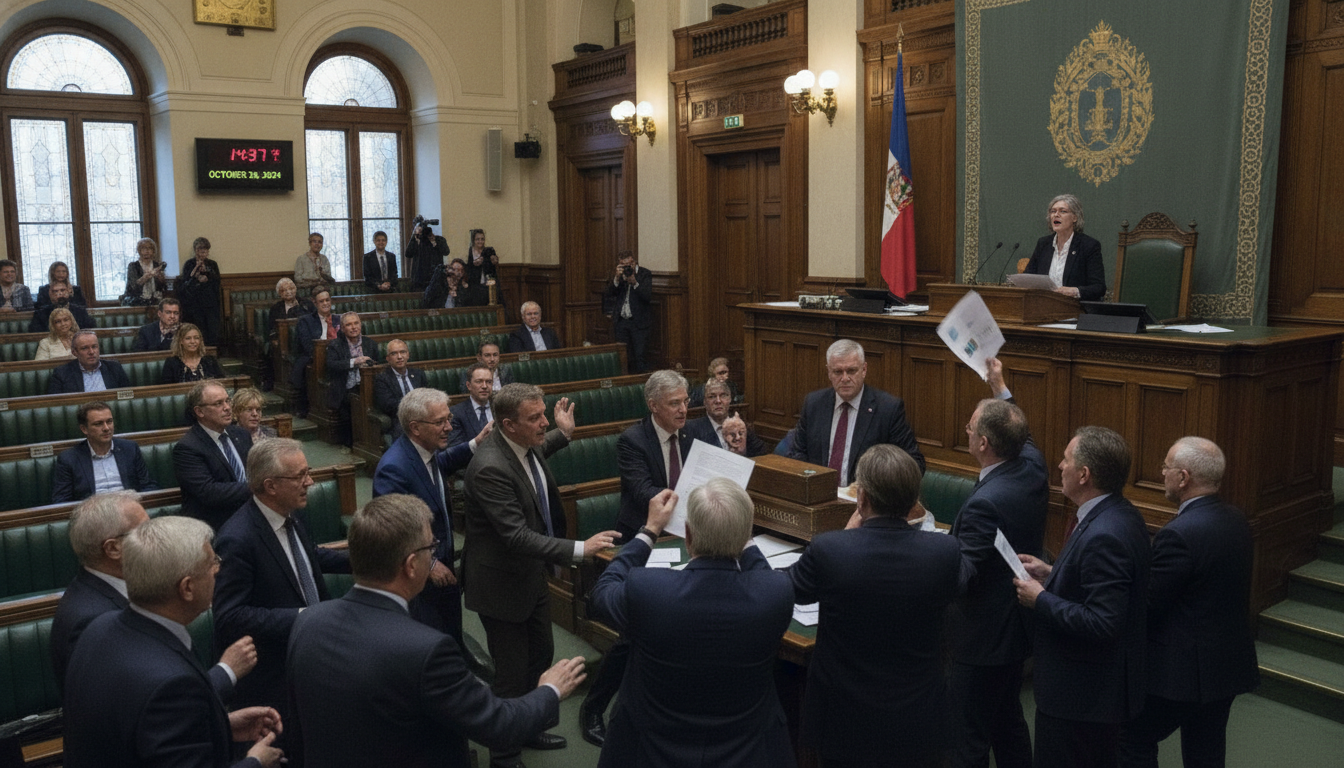
Despite the sharp critiques delivered on July 23, ruling coalition leaders signaled their intent to move quickly, aiming to bring the bill to a vote in the special committee and then the full Diet on July 24, 2026. The opposition, however, has not signaled willingness to accept an expedited process and called for additional deliberation.
The standoff underscores broader political calculations: the ruling parties seek to advance a legislative initiative tied to their vision of decentralization and disaster resilience, while opponents worry about implications for local governance and democratic legitimacy. The coming days are likely to see intensified negotiations and public debate.
Calls for Legal Clarification and Public Debate
Legal scholars at the committee urged lawmakers to disentangle the Sub-Capital Bill’s disaster-readiness provisions from municipal reorganization mechanisms and to amend language that could create unintended incentives for changing municipal status. They recommended targeted revisions to ensure consistency with the Local Autonomy Law and to protect legal certainty for residents and local governments.
Public-interest groups and some municipal leaders have also voiced concern that rapid enactment could short-circuit local consultation processes. They stressed that communities directly affected by any move to create special wards or to alter prefectural designations should be given ample opportunity to participate in decisions that would reshape local administration.
The Sub-Capital Bill’s future now rests on whether lawmakers heed experts’ calls for revision or proceed with the scheduled vote on July 24, 2026, risking a legislative outcome challenged on legal and governance grounds. The debate highlights the tension between a desire for swift measures to strengthen disaster resilience and the need for careful lawmaking that secures democratic legitimacy and legal clarity.

