
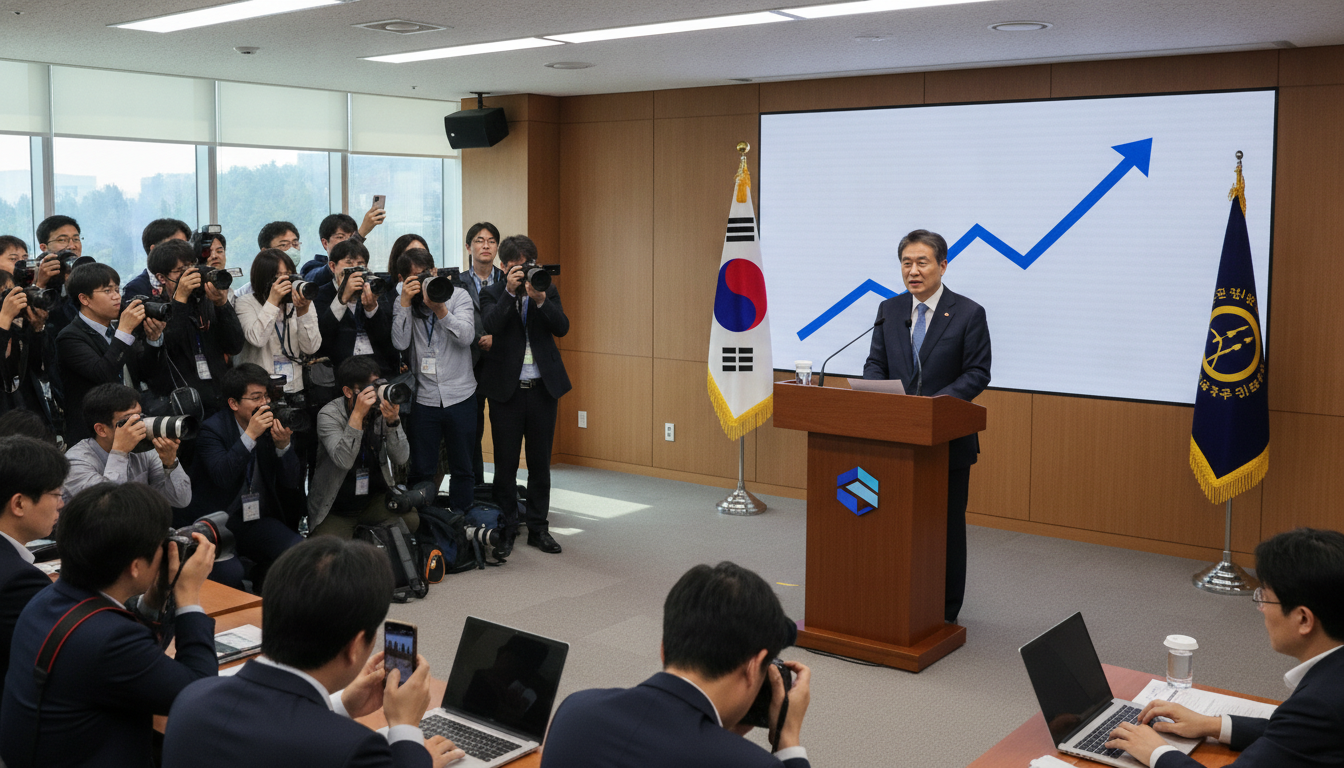
Samsung Q2 results show record revenue and profit but AI demand clouding outlook
Samsung Q2 results show record revenue and operating profit driven by memory chip sales, but concerns over AI demand and Chinese competition cloud the outlook.
Samsung Electronics reported record consolidated revenue and operating profit for the second quarter, propelled by robust memory chip sales even as uncertainty about the longevity of AI-driven demand weighed on sentiment. The company’s strong quarter underscores continued demand for memory products, while investors and analysts alike have flagged growing competition and a possible plateau in the AI spending cycle. The headline figures pushed Samsung to new highs in top-line performance, yet market volatility and strategic questions now dominate the conversation about future growth.
Record quarterly performance announced
Samsung said its consolidated results for the quarter reached all-time highs in both revenue and operating profit, a milestone led by its memory business. The company attributed the surge to stronger-than-expected chip sales, which offset slower performance in some other divisions. Management framed the quarter as evidence of Samsung’s scale in semiconductor manufacturing and its ability to capture cyclical upturns in demand.
Memory chip sales drive the beat
The results were driven primarily by elevated sales of memory products, reflecting solid orders across server, cloud and consumer device markets. Demand for high-capacity memory used in data centers and AI infrastructure contributed materially to the revenue uplift. Samsung’s scale and inventory positioning allowed it to benefit as customer restocking and infrastructure investments accelerated during the reporting period.
Market reaction and investor concerns
Despite the upbeat headline numbers, investor reaction was mixed as chipmaker share prices retreated from recent peaks during and after the release. Market participants cited worries that the AI-driven spending surge may be nearing a peak, and that expectations for sustained double-digit growth in chip demand could be optimistic. Traders and portfolio managers signaled a more cautious stance as they weighed near-term profitability against longer-term demand visibility.
Competition from China intensifies pressure
Analysts highlighted rising competition from Chinese memory and chipmakers as a growing challenge for established suppliers, noting the potential for margin pressure over time. Policy support, local investment and an expanding domestic supply chain in China are reshaping regional dynamics and creating new pricing and capacity considerations. For Samsung, maintaining technological leadership and controlling costs will be essential to respond to the intensifying competitive landscape.
Uncertainty over AI demand trajectory
One of the most consequential uncertainties is how long the AI investment cycle will sustain elevated purchases of memory and processing capacity. While AI workloads have driven a notable uptick in demand for high-performance memory, some industry observers caution that the pace of procurement may normalize or slow if model deployments and cloud investments do not expand continuously. That ambiguity around the trajectory of AI spending underpins much of the cautious language now appearing in market commentary.
Samsung’s strategic response and guidance
Company executives emphasized disciplined capital allocation and a focus on technology upgrades as part of their response to a changing market environment. Samsung signaled continued investment in advanced process nodes and memory technologies to safeguard long-term competitiveness. The company also indicated it will monitor inventory cycles and customer demand closely when shaping production plans and investment timing.
The quarter’s results present a nuanced picture: operational success on one hand and strategic headwinds on the other. Samsung’s record revenue and profit reflect its ability to capitalize on cyclical demand spikes, but the combination of potential AI spending normalization and heightened regional competition poses medium- to long-term questions. How Samsung balances investment in innovation with prudent risk management will be a key watchpoint for investors and industry observers in the months ahead.

