
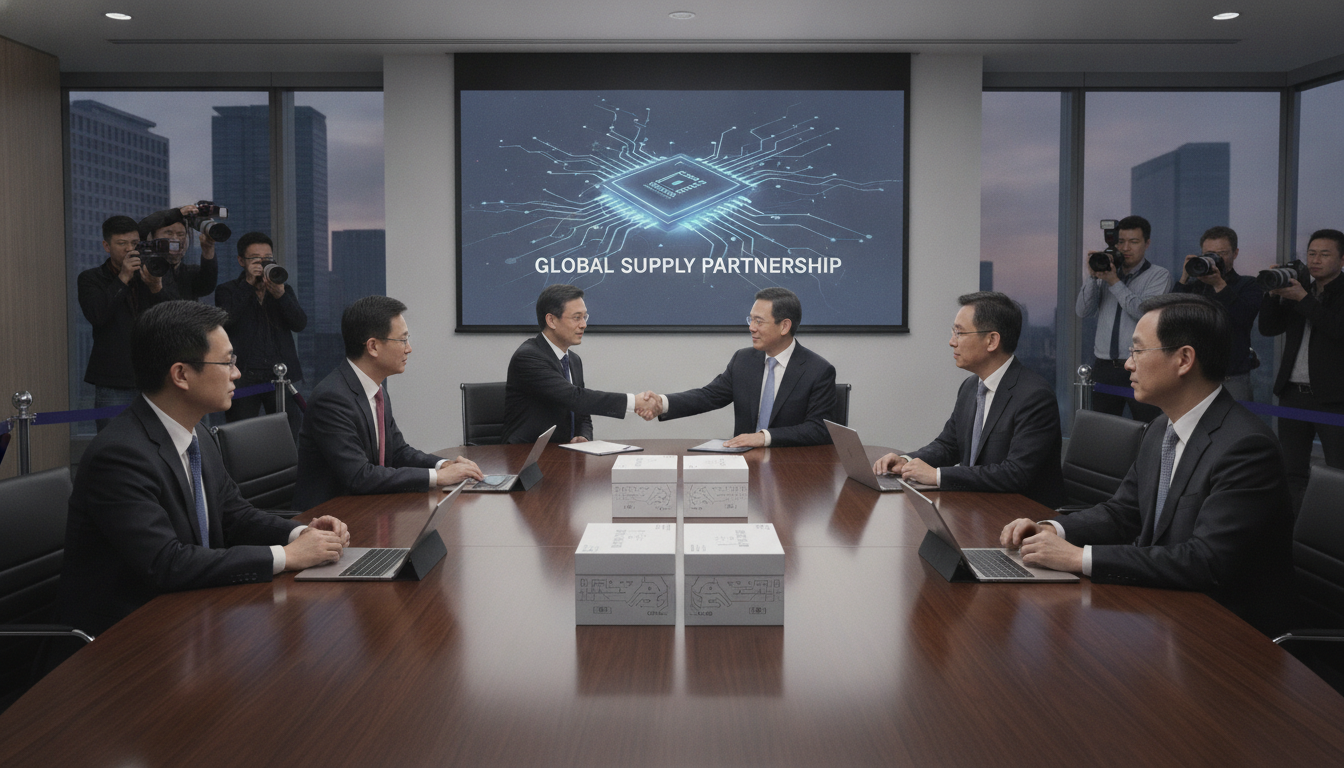
PC Makers Turn to ChangXin Memory Technologies as AI-Fueled Shortage Bites
HP, Asus and Acer start using ChangXin Memory Technologies (CXMT) chips as AI-driven memory shortages push PC makers to diversify suppliers carefully.
Leading personal-computer manufacturers HP, Asus and Acer have begun integrating small quantities of memory chips from China’s ChangXin Memory Technologies (CXMT) into some product lines as an acute global memory shortage, driven by demand for artificial intelligence infrastructure, tightens supply. Industry executives say the adoption is limited and tactical, aimed at easing near-term constraints while preserving longer-term relationships with major suppliers. The move underscores how PC makers are balancing immediate inventory relief with commercial and geopolitical sensitivities around sourcing.
HP, Asus and Acer Begin Limited CXMT Deployments
Sources close to supply-chain operations said HP, Asus and Acer have accepted trial shipments of CXMT DRAM for selected laptop and desktop configurations.
The shipments appear to be measured: components are being phased into models where validation cycles and customer expectations allow for alternative producers. Manufacturers described the changes as incremental rather than a full-scale supplier switch.
AI Infrastructure Demand Tightens Memory Market
The scramble for memory has been amplified by a surge in demand for high-bandwidth, high-capacity modules used in data centers supporting AI workloads.
That spike has reduced available inventory for consumer and enterprise PC segments, prompting original equipment manufacturers to expand their supplier lists to avoid production delays and maintain product roadmaps.
Manufacturers Manage Relations with Key Suppliers
PC makers are taking care not to alienate dominant memory suppliers such as Micron, Samsung and SK Hynix as they test components from CXMT.
Executives said companies are running parallel procurement strategies: they place smaller, tactical orders with newer entrants while keeping primary volume commitments with long-standing vendors to protect pricing, service levels and strategic partnerships.
Quality Control and Qualification Processes Underway
Before larger rollouts occur, manufacturers are conducting standard qualification testing on CXMT chips, including performance, thermal behavior and long-term reliability assessments.
These validation regimes are designed to ensure that any new memory meets the specifications of OEMs and their customers, and to limit the risk of returns or warranty exposure once devices reach retail channels.
Supply-Chain Impacts and Competitive Dynamics
Industry analysts note that the inclusion of CXMT chips reflects a broader trend of buyer diversification in component markets when incumbents face production bottlenecks.
A wider supplier base can increase flexibility and resilience, but it also introduces complexity in inventory management, component matching and after-sales support that PC makers must address.
Geopolitical and Regulatory Considerations Remain Relevant
Companies are also mindful of export controls, national security reviews and customer perceptions when choosing alternative suppliers from China.
Procurement teams said they are vetting legal risks and potential downstream effects on international sales, especially in markets where regulators scrutinize the use of certain foreign-made semiconductor components.
PC makers report that the current deployments of CXMT memory are intended to be temporary relief measures rather than definitive shifts in procurement strategy. They emphasize that long-term purchasing will remain influenced by price, yield, capacity, and the depth of service offered by major memory manufacturers.
The industry’s cautious approach reflects competing priorities: sustaining production through a supply crunch while avoiding disruptions to strategic supplier relationships and compliance frameworks. If memory shortages persist or intensify, expect more extensive supplier diversification moves, but also a continuation of rigorous testing and staged integration before any large-scale adoption of alternative sources.

