
U.S. imports from Asia rise in June as retailers rush to beat July tariff increase
U.S. imports from Asia rose in June as retailers and manufacturers accelerated purchases to avoid higher tariffs that took effect in late July, driving a surge in shipments and testing strained supply chains.
The United States recorded a notable increase in goods arriving from Asian suppliers in June, reversing earlier declines and exceeding year-earlier levels. Businesses across retail and manufacturing sectors moved quickly to bring forward orders as a higher set of tariffs loomed at the end of July. The pull-forward in demand boosted container traffic and inventory levels at U.S. ports, while also creating concerns about congestion and downstream distribution bottlenecks.
June imports outpaced year-earlier levels
U.S. customs and trade monitors registered an uptick in inbound shipments from Asia in June compared with the same month a year earlier. The increase was driven partly by durable goods and consumer products, which retailers prioritized for early delivery. Analysts say the timing is consistent with buyers seeking to avoid the tariff adjustments announced for late July.
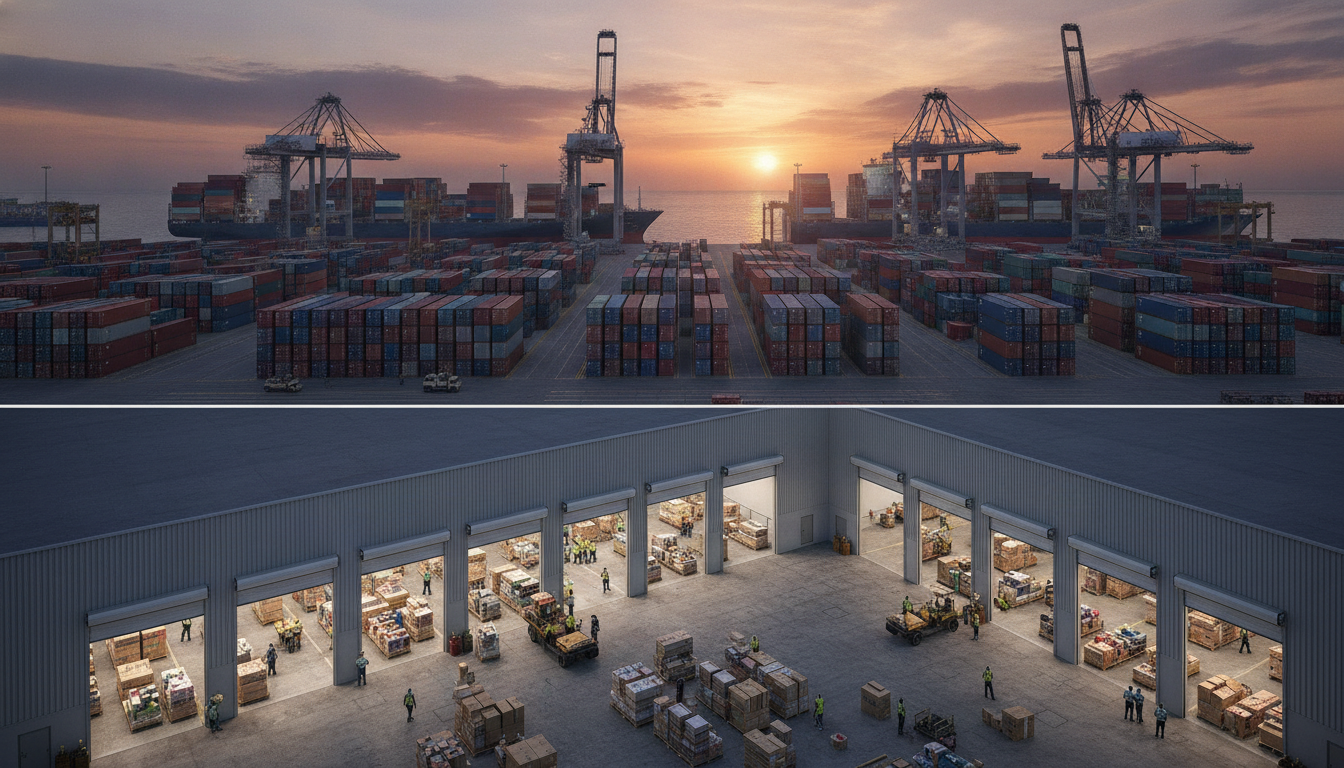
Ports on the U.S. West Coast reported stronger container volumes, with some terminals extending hours to handle surges. Trucking and warehouse operators also noted a pick-up in activity as companies tried to clear imports into inventory before the tariff window closed. The result was a brief acceleration in the rhythm of trade that many observers described as tactical, not necessarily reflective of a lasting demand shift.
Retailers and distributors front-loaded orders
Retailers brought in larger shipments in June to stock up ahead of the tariff increase, according to industry sources. Buying teams moved orders forward, prioritized fast-selling SKUs, and increased air freight for time-sensitive goods when ocean space was constrained. These measures were intended to shield margins and preserve shelf availability once the new levies applied.
Smaller distributors and some manufacturers, however, found the scramble costly. Higher logistics fees, expedited shipping charges, and the need to expand short-term storage inflated near-term operating costs. Several companies indicated they would evaluate pricing and sourcing strategies in the coming months to adapt to the tariff environment.
Tariff changes took effect after July 24
The administration imposed a revised tariff schedule at the end of July, replacing a previous flat levy that had been in place earlier in the month. The new duties range from 10% to 12.5% on certain imports, a change that prompted the pre-emptive buying surge in June. Trade groups and business associations had warned that the timing of the policy shift would encourage stockpiling ahead of the effective date.
Customs officials said shipments that cleared before the tariff change were assessed under the earlier rate, creating a clear incentive for firms to adjust shipment timing. The policy adjustment has sparked renewed debate among importers and policymakers over the trade-offs between revenue goals and supply chain disruption.
Supply-chain pressure and port congestion
The acceleration of imports placed additional stress on already congested supply chains, particularly at major port gateways. Warehousing capacity tightened in key metropolitan areas as companies sought short-term storage to absorb early arrivals. Shippers reported delays in inland transport as trucks and rail systems adjusted to the sudden increase in inbound cargo.
Industry logistics experts cautioned that such surges can lead to knock-on effects, including delayed deliveries to retailers and higher inventory carrying costs. They also noted the risk that congestion could offset some of the benefits companies sought by avoiding higher tariffs, by eroding margins through operational expenses.
Business strategy shifts and sourcing considerations
In response to tariff volatility, some firms said they would review supplier contracts and explore alternative sourcing to mitigate future policy risk. A mix of strategies — including renegotiating prices, diversifying production footprints, and increasing local inventories — is under consideration across sectors. Supply-chain managers emphasized the importance of flexibility and better forecasting as tools to manage similar events in the future.
Financial officers signaled that short-term cost pressures were likely to influence pricing decisions and promotional strategies over the upcoming quarters. Retailers with strong inventory positions before the tariff change noted a temporary advantage, but many warned that the overall market effect would depend on how persistent tariff policy becomes.
Market outlook and trade flow expectations
Looking ahead, trade analysts expect import patterns to normalize once immediate tariff-driven buying subsides, though some structural shifts may persist. If tariffs remain in place, companies could gradually reconfigure supply chains, seek tariff mitigation strategies, or absorb costs through adjusted pricing. Conversely, further policy changes could trigger additional short-term volatility in shipment timing.
Investors and industry observers will watch upcoming trade data and port throughput figures for signs of stabilization. For now, the June surge in U.S. imports from Asia highlights how policy decisions can prompt rapid operational responses that ripple through logistics networks and commercial strategies.
The immediate impact has been a temporary lift in inbound volumes and inventory levels, paired with higher logistical strain and near-term cost increases for some businesses. Market participants say the episode underscores the need for clearer policy signals and greater supply-chain resilience as firms adapt to an uncertain trade environment.

