
Japan match World Cup ticket resale sparks debate as fans hunt last-minute deals in Houston
Fans outside Houston stadium scrolled resale listings as FIFA’s new resale platform drove volatile prices, raising questions about live World Cup ticket resale fairness.
Fans Hunt for Last-Minute World Cup Tickets Outside Houston Stadium
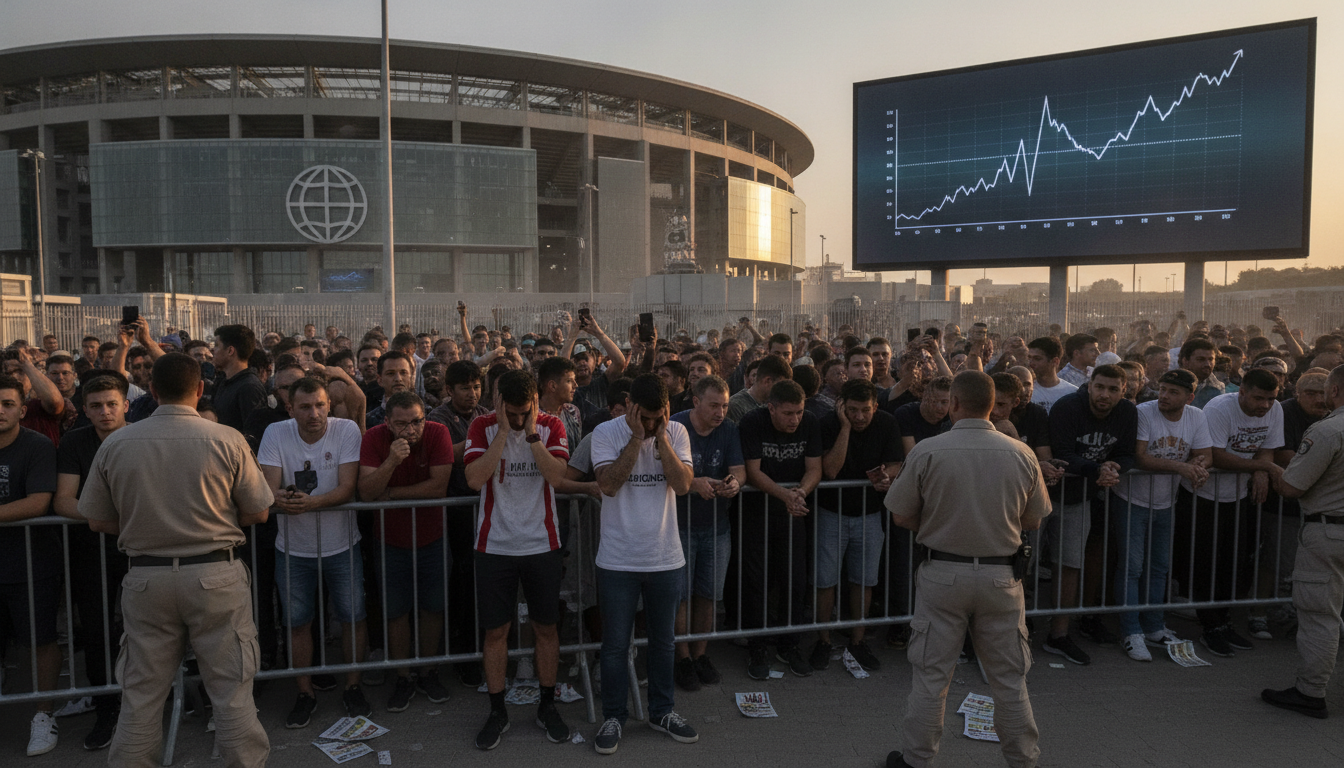
The scene outside the Houston stadium on the morning of June 29 captured the growing visibility of World Cup ticket resale markets. Dozens of local fans and visitors clustered in the shade, eyes fixed on smartphones as listings shifted in real time. Many were there specifically for Japan’s match against Brazil, hoping to watch players such as Junya Ito in person without paying inflated prices.
Groups of roughly ten people formed informal watch parties, swapping tips on when to buy and which sections would likely see last-minute drops. Some buyers said they were prepared to pay several hundred dollars for a seat, while younger local fans expected prices to fall to a few dozen dollars. The mix of expectations underscored the uneven access created by the secondary market.
FIFA’s Official Resale Platform Faces No Price Cap
For the first time at this tournament, FIFA operated an official ticket resale site intended to provide a secure channel for transfers. Sellers could list tickets at self-determined prices, and the platform imposed no upper limit on resale amounts. The absence of a price cap meant that resale listings sometimes climbed well above face value, mirroring unregulated aftermarket behavior.
Organizers presented the platform as a way to reduce fraud and ensure safe transfers, but the lack of controls on pricing quickly drew criticism. Observers and some fans argued that a regulated resale option without affordability measures effectively legitimized premium pricing rather than protecting everyday spectators.
Resale Prices Fluctuate as Kickoff Nears
On the day of the Japan vs Brazil match, resale listings remained active even as kickoff approached, with prices changing minute by minute. Some sellers lowered rates in the hope of a quick sale, while others held out for last-minute buyers willing to pay a premium. This dynamic created opportunities for nimble purchasers but left many would-be attendees uncertain about whether to wait or buy.
The market’s volatility amplified disparities among fans: those with flexible schedules or ready cash could take advantage of sudden price dips, while others risked losing out if listings vanished. The uncertainty around final ticket availability underlined how resale mechanics can shape who ultimately experiences live sporting events.
Local Fans Describe Barriers to Live Attendance
Conversations outside the stadium revealed contrasting perspectives on access to live matches. A local high school student attending to see Japanese players said he hoped prices would drop to a tens-of-dollars range, reflecting limited disposable income among younger fans. By contrast, some visitors signaled a willingness to spend several hundred dollars for the chance to witness a marquee match in person.
These anecdotes reinforced a broader concern: whether live World Cup attendance is becoming, in practice, an experience reserved for wealthier supporters. For many fans, television and public viewing sites remain the only realistic way to follow their national team when gate prices swing beyond reach.
Organizers and Critics Clash Over Market Effects
Supporters of the official resale system point to improved security and reduced fraud compared with informal exchanges. The platform’s verified transfer process aims to ensure tickets are genuine and reach vetted buyers, organizers have said. That security benefit, they argue, is an important step in modern ticketing management.
Critics counter that security alone does not address the affordability problem created by open-ended pricing. Without measures such as price caps, verified fan allocations, or redistributive mechanisms, the official market may simply channel demand into higher price tiers. Tickets intended for local supporters can end up in the hands of resellers, the critics warn, weakening the connection between teams and their broader fan bases.
Policy Options Under Discussion for Future Tournaments
As debate intensifies, several policy options are under consideration by rights holders and host authorities for future tournaments. Measures discussed include setting maximum resale prices, reserving blocks of tickets for verified local supporters, and deploying dynamic allocation systems that limit transferability near kickoff. Each approach carries trade-offs between preventing abuse and preserving market flexibility.
Legal frameworks and consumer protection rules in host countries will also shape feasible interventions. Some commentators say cross-border coordination is necessary given the international nature of major sporting events, while others emphasize the role of tournament organizers in designing fairer distribution systems. The challenge lies in balancing security, revenue, and equitable access.
The scene in Houston highlighted a simple reality: technology can make secondary ticket markets more transparent and secure, but it does not automatically make live football more accessible. As governing bodies and hosts assess lessons from this tournament, ticketing policies and resale rules will remain central to whether seats at the next World Cup feel open to all fans or reserved for those who can pay the most.

