
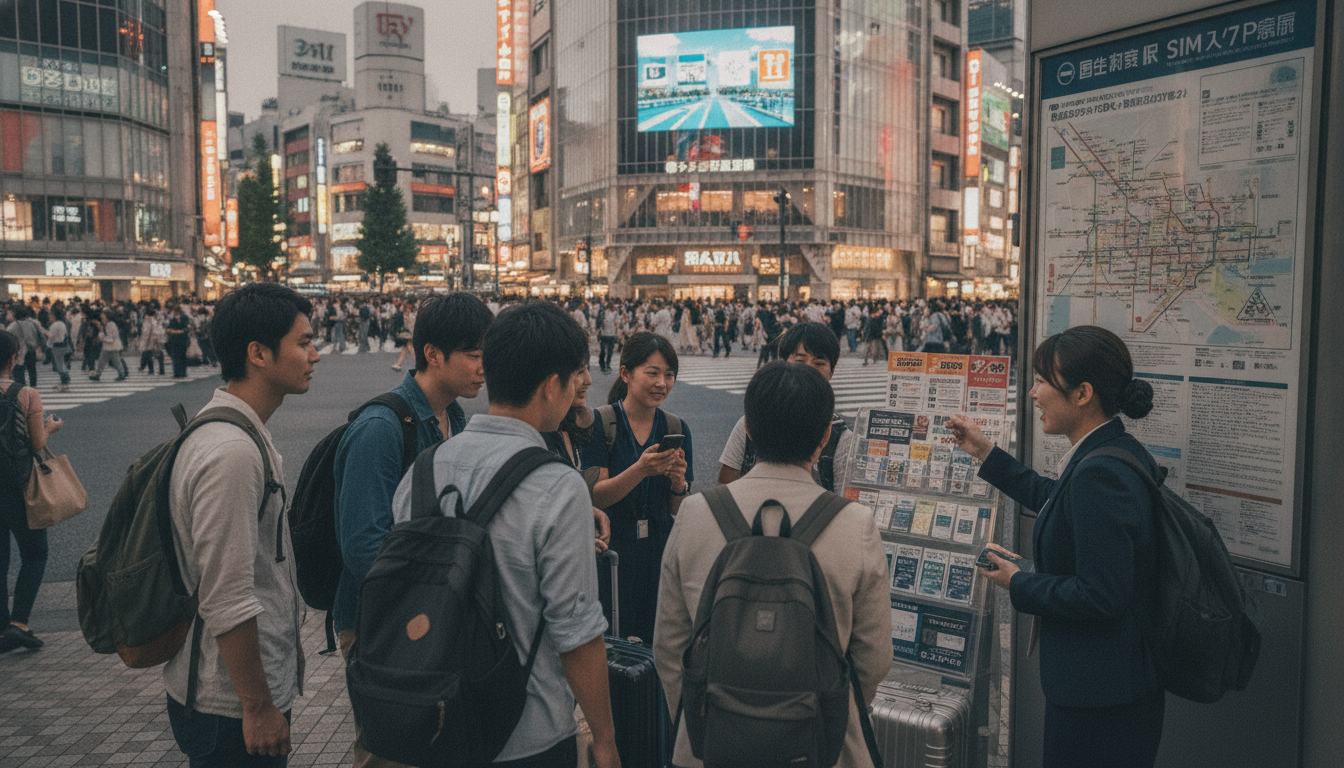
Tokyo Cheapo: The English Guide Helping Visitors Stretch Their Yen in Tokyo
Tokyo Cheapo delivers practical, up-to-date budget travel advice for Tokyo visitors, helping readers stretch their yen with tips on transport, attractions, connectivity, and savings.
Tokyo Cheapo’s reach and mission
Tokyo Cheapo has become a primary English-language resource for budget-conscious travelers and residents in Tokyo, attracting between 500,000 and 800,000 readers each month. The site focuses on helping people get more value for their travel budget by publishing clear, actionable guides on transport, attractions, and essential travel services.
The site’s stated mission centers on practical, money-saving information rather than luxury recommendations. That focus informs the editorial approach: comparisons, step-by-step instructions, and curated lists designed to lower daily costs without sacrificing the experience of the city.
Tokyo Cheapo also positions itself as a resource for both short-term visitors and people living in Tokyo on tighter budgets. Content ranges from one-day itineraries and free attractions to longer-term living tips and services that reduce recurring expenses.
Popular practical guides readers use
Readers frequently consult Tokyo Cheapo for travel logistics that can be confusing for first-time visitors. The site covers core topics such as recommended ways to travel between Narita Airport and central Tokyo, an overview of rail pass options, and lists of affordable things to do around the city.
Guides on transport emphasize cost comparisons and practicality. They break down options like express trains, airport buses, and discounted coach services, and they explain how each choice fits different budgets and arrival times. These guides aim to remove uncertainty from the traveler’s decision-making.
City-focused lists are another staple. Curated articles on free and low-cost activities help visitors and residents discover attractions that won’t strain a daily budget. These features highlight parks, seasonal events, inexpensive museums, and neighborhood strolls that offer cultural value at minimal cost.
Connectivity: prepaid SIMs and pocket Wi‑Fi options
Staying connected while in Tokyo is a frequent concern for international visitors, and Tokyo Cheapo addresses it with practical, comparative coverage of prepaid SIM cards and pocket Wi‑Fi devices. The content explains the trade-offs between data-only SIMs, eSIMs, and portable routers based on trip length and group size.
Articles describe where visitors can buy or reserve connectivity products, how activation typically works, and the advantages of renting a pocket Wi‑Fi for groups versus individual SIMs for solo travelers. The guides also highlight common pitfalls, such as device compatibility and data throttling policies, so readers can avoid surprises.
Rather than championing a single vendor, the coverage seeks to clarify which type of solution fits particular travel profiles—one-day layovers, weeklong trips, or longer stays—so readers choose the most economical and convenient option for their needs.
How transport and JR rail pass advice is presented
Tokyo Cheapo’s treatment of rail travel emphasizes transparency and practical choice. Rather than asserting a single “best” pass for everyone, the site lays out the benefits and limits of different rail passes and ticketing options, including how regional and national passes compare to individual fares.
Coverage of airport transfers explains common routes and trade-offs, including speed, cost, luggage handling, and transfer convenience. The intent is to give readers the facts they need to match their arrival times and budgets with a realistic option, whether that’s an express train, limousine bus, or local services.
For travelers considering multi-city travel across Japan, Tokyo Cheapo provides comparative information on when a rail pass may be cost-effective and how to plan itineraries to maximize the pass’s value. The emphasis is always on cost-benefit clarity rather than blanket recommendations.
Editorial transparency: affiliate links and sponsored content
Tokyo Cheapo discloses that some articles contain affiliate links and that the site accepts sponsored content. Affiliate partnerships mean the site may receive compensation if readers purchase or sign up with certain companies through those links, while sponsored posts are labeled and commercial offerings such as tours and accommodations are identified separately.
This transparency is intended to help readers evaluate recommendations with awareness of potential commercial relationships. Editorial pieces that include affiliate links generally aim to remain selective about which companies are recommended and to present clear comparisons so readers can make informed choices.
The site also cautions that terms and offers change without notice, encouraging readers to verify details before committing to purchases. That approach underscores a broader editorial principle: provide information, but empower readers to confirm current terms and prices independently.
Contributions, staffing, and advertising opportunities
Tokyo Cheapo maintains pages for people interested in joining its editorial team and for companies looking to advertise or sponsor content. The site’s staffing model includes contributors who write about neighborhoods, budget tips, and travel logistics, and editors who verify and organize material for readability and accuracy.
For prospective contributors, the site outlines the kind of reporting and review-based content it values, along with standard editorial practices. For advertisers and sponsors, the site offers avenues to reach an audience already interested in cost-conscious travel decisions in Tokyo and surrounding areas.
Commercial partnerships are managed with labeling to preserve editorial clarity, and the site invites potential partners to contact its team to discuss campaign goals and formats tailored to the value-minded audience.
Why budget-conscious readers rely on Tokyo Cheapo
Readers turn to Tokyo Cheapo because the site synthesizes practical experience with local knowledge into step-by-step guidance. This approach reduces uncertainty around common pain points like arriving at a major airport, choosing the right rail option, or deciding between connectivity solutions.
The site’s focus on affordability without sacrificing cultural access appeals to a wide range of users: tourists planning short stays, long-term visitors navigating daily life, and local residents seeking inexpensive outings. Its audience size reflects both demand for cost-saving information and the site’s capacity to deliver clear, usable advice.
Finally, the combination of curated lists, comparative guides, and transparent disclosures creates a resource that supports quick decision-making. Whether a reader needs a single-day plan that won’t break the bank or a multiweek itinerary needing logistical clarity, the site packages information to make those choices easier.
Practical tips for travelers using English-language guides in Tokyo
When consulting English-language resources while in Tokyo, prioritize guides that explain local transport etiquette and basic ticketing procedures. Knowing how to read fare maps, use IC cards, and navigate platform exits saves time and reduces the chance of unexpected fees.
Always cross-check time-sensitive information such as train schedules, fare promotions, and attraction hours. While budget guides can provide reliable starting points, operators and vendors occasionally change schedules and terms, so a quick verification before travel will avoid disruption.
Consider combining resources: use curated budget guides for planning, official transport sites for schedule confirmation, and accommodation or ticket providers for final bookings. This layered approach balances convenience with accuracy and helps maintain a low-cost itinerary without last-minute surprises.
Practical next steps for readers and advertisers
Visitors seeking immediate savings should begin with a short list of priorities—transportation choices on arrival, connectivity needs, and a day-by-day plan that highlights low-cost or free activities. Booking in advance is often useful for secure pricing, but comparing on-the-ground options can yield last-minute deals.
Advertisers looking to reach budget-focused audiences should consider content formats that deliver practical value, such as sponsored city itineraries, flexible transport comparisons, and discount-driven offers. Clearly labeled partnerships maintain trust with a readership that prizes transparency.
Contributors interested in joining an editorial team should prepare samples that demonstrate concise, actionable reporting and a talent for explaining logistics in plain, informative language. Editors value writers who can convert complex choices into clear, stepwise guidance.
Final thoughts on using budget travel resources in Tokyo
Tokyo offers abundant cultural experiences that can be enjoyed on modest budgets, and English-language resources that distill local knowledge into practical formats are an asset to visitors and residents alike. Tokyo Cheapo’s concentration on utility and savings makes it a frequent first stop for those seeking to plan an economical stay.
Readers should treat budget guides as starting points: use them to set expectations, develop an itinerary, and compare fundamental choices, then confirm details as needed with primary operators. With preparation and selective use of reputable guides, affordable travel in Tokyo becomes both feasible and rewarding.
Tokyo Cheapo remains a useful reference for value-focused travel decisions, helping people make informed choices about transport, attractions, connectivity, and spending while visiting Tokyo.

