
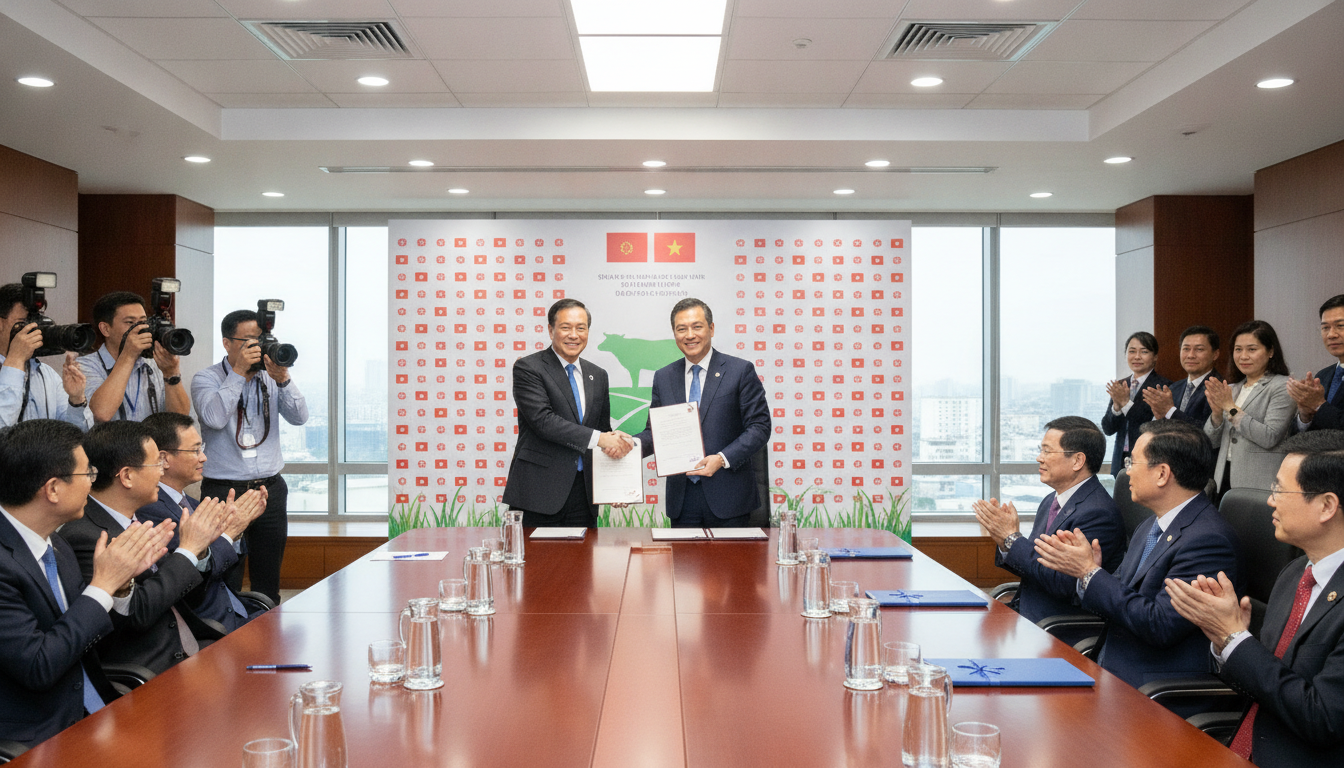
Sojitz to Ramp Up Vietnam Beef Processing as Consumption Outlook Improves
Japanese trading house Sojitz will sharply increase cattle processing in Vietnam this year, expanding beef capacity to capture growing domestic demand.
Sojitz to Expand Cattle Processing in Vietnam
Sojitz is moving to expand its cattle processing operations in Vietnam, signaling a strategic push into the country’s beef market. The trading house said it will add processing capacity this year as it anticipates higher consumption driven by economic growth.
Company executives framed the move as a response to a market with significant upside, where per-capita beef intake remains lower than in many neighbouring countries. The expansion is intended to position Sojitz early in what it sees as a multi-year demand trajectory.
New Processing Capacity and Implementation Timeline
The expansion will involve upgrades to existing facilities and the addition of new processing lines to increase throughput. Sojitz plans to phase the capacity increases to align with supply and sales growth, with initial steps focused on processing efficiency and cold chain integration.
Operational changes will include investments in refrigeration, slaughterhouse equipment and quality control systems to handle larger volumes while maintaining product standards. The company aims to complete key upgrades within months, with further scaling to follow as market conditions evolve.
Market Opportunity and Rising Beef Demand
Vietnam’s rising incomes and urbanisation are driving a shift in dietary patterns toward more protein-rich foods, including beef. Sojitz believes this changing consumption profile creates room for domestic beef production and processing to expand meaningfully.
Analysts note that while pork and seafood remain staples, beef is gaining traction among middle-income consumers and in modern retail channels. The trading house expects to capture both foodservice and supermarket demand as Vietnamese shoppers trade up to higher-value cuts.
Supply Chain and Sourcing Strategy
To support higher processing volumes, Sojitz will bolster its supply chain through closer relationships with cattle producers and feed suppliers. The company plans to work with local farms to improve herd quality, as well as import complementary inputs where domestic supply gaps exist.
Efforts will include training for breeders, support for veterinary services and initiatives to improve traceability from farm to fork. Strengthening these links aims to stabilise procurement costs and ensure steady access to animals suitable for higher-grade beef production.
Regulatory Compliance and Food Safety Measures
Sojitz emphasised adherence to Vietnamese food-safety regulations and international standards as it scales processing operations. The company intends to implement rigorous quality-control protocols and certification processes to meet retailer and consumer expectations.
Officials in the food industry point out that maintaining cold chains and sanitary processing becomes more challenging at scale, so investment in monitoring and staff training is essential. Sojitz’s plans include enhanced testing and documentation to reassure buyers and support export opportunities if they arise.
Commercial Strategy and Local Partnerships
Commercially, Sojitz will target both domestic retail chains and the expanding foodservice sector, tailoring product lines to local tastes and purchasing patterns. The company looks to leverage its trading-house network to distribute processed beef across urban centres and growing secondary cities.
Partnerships with Vietnamese distributors and retailers are central to the plan, providing channels for new product introductions and brand-building. Sojitz expects promotional campaigns and product sampling to accelerate consumer acceptance of locally processed beef.
Sojitz’s expansion reflects a broader recalibration by agribusiness investors who see Southeast Asia as a long-term growth market for protein products. By adding processing capacity now, the trading house aims to lock in supply relationships and brand recognition as consumption rises.

