
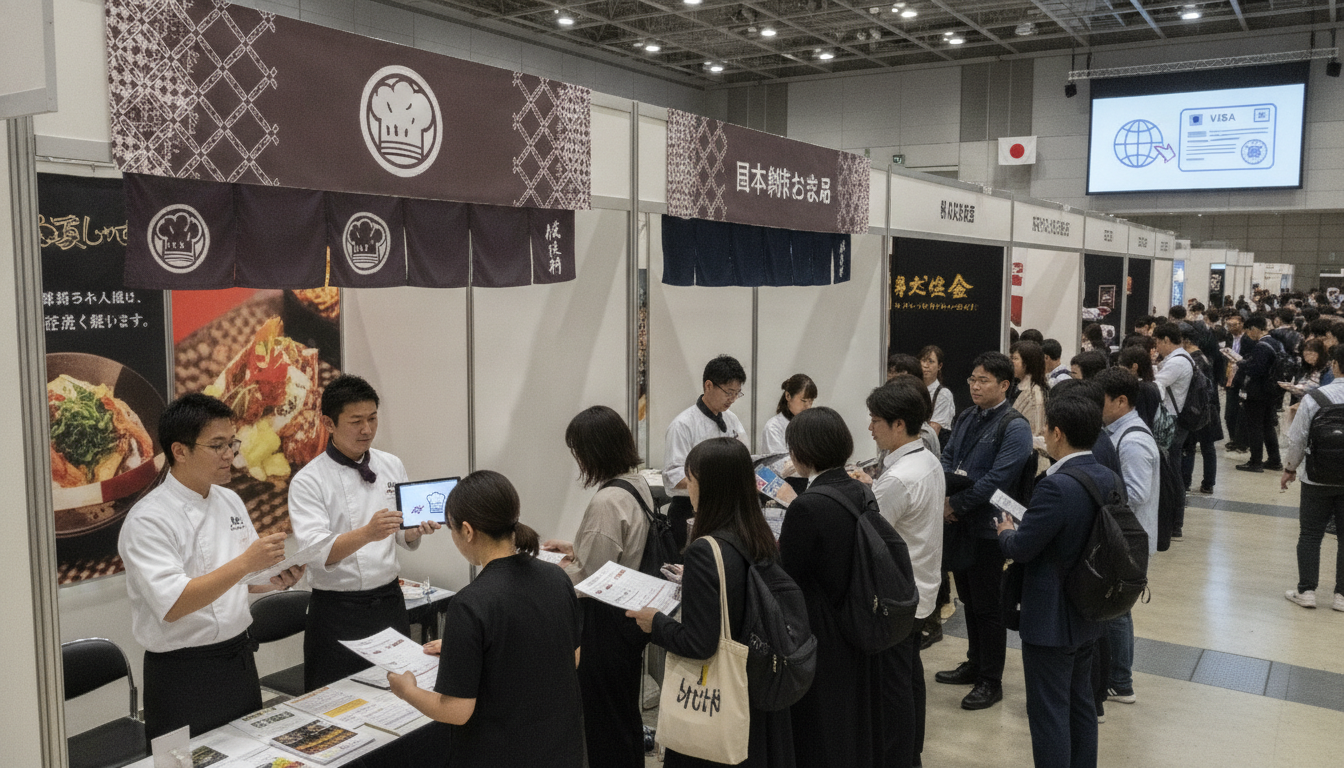
Japan immigration freeze doubles job listings, restaurants raise pay to secure specified skilled workers
Japan immigration freeze on specified skilled worker visas doubled job listings in two months, prompting Skylark, Ings and other restaurant chains to raise pay and accelerate hiring.
TOKYO — Two months after Japan suspended new visa applications for foreign restaurant workers under its specified skilled worker program, job postings aimed at the roughly 50,000 visa holders already in the country have roughly doubled as competition intensifies across the hospitality sector. The move has pushed major operators such as Skylark and ramen chain Ings to step up recruitment and raise starting pay in a bid to retain and attract scarce labour.
Visa suspension prompts immediate labour-market shift
Two months after the government halted new applications in mid-April 2026, employers reported a sharp uptick in vacancy listings targeting specified skilled workers. Recruiters and restaurant operators say the increase reflects both a scramble to fill front-line roles and employers attempting to poach experienced staff from competitors.
The specified skilled worker category, which allowed foreign nationals to work in service sectors including food services, had become a key source of labour for restaurants and related businesses. With new entries stalled, firms are now vying for a fixed pool of holders already onshore.
Wage rises and sign-on incentives spread across chains
Several restaurant groups have publicly adjusted pay and benefits since the freeze, with some operators increasing base wages and offering bonuses to entice candidates. Ramen operator Ings has lifted its starting pay for specified skilled workers, signaling a broader trend in the sector.
Industry sources say increases vary by firm and region, with higher offers concentrated in urban centres and tourist hubs where demand remains strongest. In addition to hourly wage hikes, employers are expanding welfare measures and flexible schedules to improve retention.
Skylark and peer groups expand hiring campaigns
Major family-restaurant chains, including Skylark, are intensifying recruitment drives on multiple fronts. Companies have extended hiring windows, launched targeted outreach to existing visa holders, and increased the visibility of openings on job platforms.
The competition is not limited to large chains; mid-sized operators and independent restaurants are also adapting. For many smaller businesses, the sudden need to boost pay or offer perks poses a financial challenge amid already thin margins.
Online platforms record surge in job postings
Online recruitment platforms and industry job boards have recorded a marked rise in listings for roles open to specified skilled workers. Hiring managers report a deluge of new posts as companies scramble to reach the limited labour pool.
The spike in postings has made the market more fluid, with vacancies turning over faster and firms adjusting offers in near real time. This heightened activity is increasing the bargaining power of workers with relevant experience in Japanese restaurants.
Operational and service implications for businesses
Restaurants facing persistent shortages are altering operations to cope, including shorter opening hours, simplified menus, and greater reliance on automation where feasible. Some businesses are also reallocating staff between locations to cover peak shifts.
While these measures can partially offset staff shortfalls, industry observers warn they may affect service levels and customer experience if staffing pressures persist. The cost of higher wages is likely to be passed on to consumers in various forms, including price adjustments and reduced service breadth.
Policy uncertainty and industry appeals to government
The suspension of new visa applications has intensified calls within parts of the industry for policy clarity and possible adjustments. Employers and trade groups are urging authorities to provide guidance on the duration of the freeze and on measures to stabilize staffing in the near term.
Some firms are exploring alternative recruitment channels, including increased hiring of domestic workers and trainees, while monitoring the government’s stance. The situation has highlighted the dependency of certain service sectors on foreign labour under the specified skilled worker framework.
The tightening labour market following the freeze has created immediate operational challenges for restaurants and an elevated bargaining position for the limited cohort of specified skilled workers in Japan. As chains like Skylark and Ings expand recruitment and raise pay, the broader hospitality industry is adjusting operations and watching government responses closely for signs of relief or longer-term change in immigration policy.

