
Jang Dong-hyeok Says Economic Concerns Will Drive South Korea’s June 2026 Local Elections
Jang Dong-hyeok says economic concerns, not Yoon fallout, will shape South Korea’s June 2026 local elections as the People Power Party reaffirms U.S. ties.
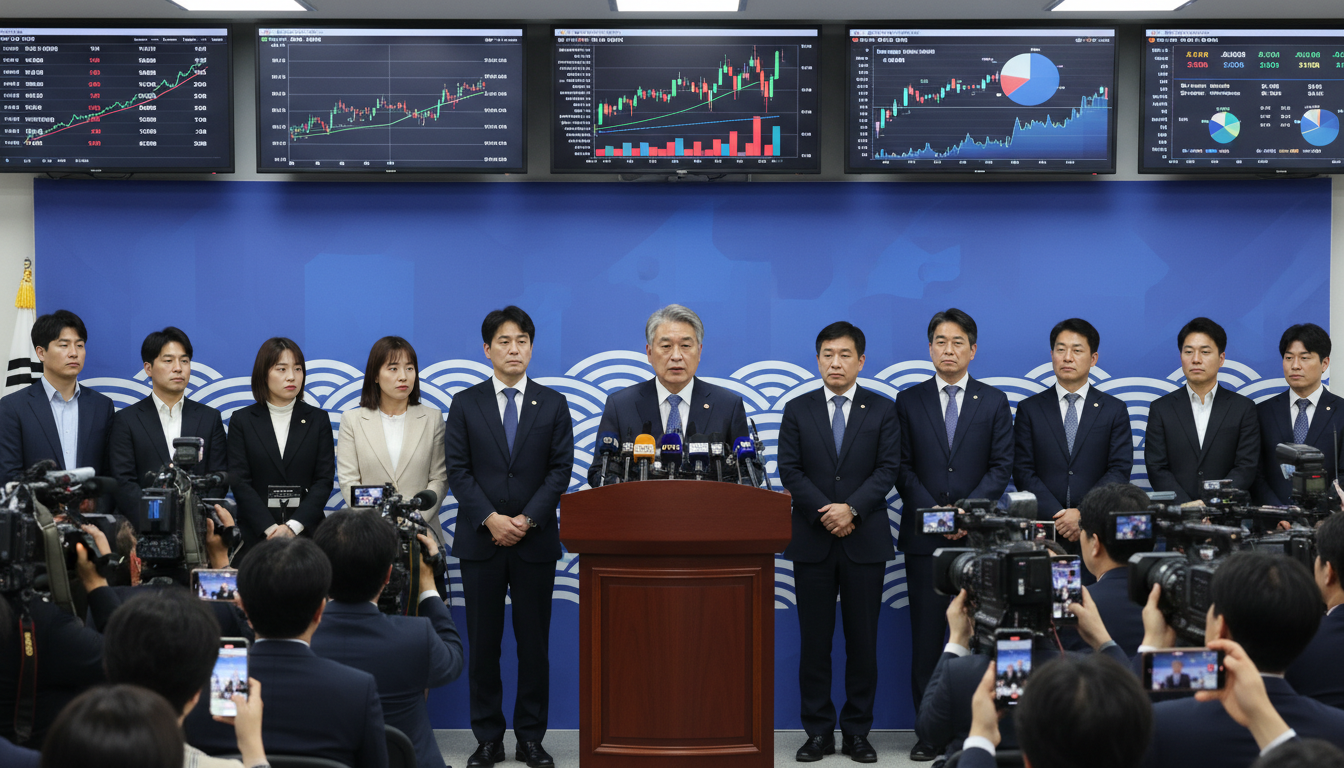
South Korea’s opposition leader Jang Dong-hyeok on May 8, 2026, told reporters in Seoul that economic issues — rather than fallout from President Yoon’s controversies — will be the decisive factor in next month’s local elections. Jang used the news conference to stress the People Power Party’s commitment to the U.S.-South Korea alliance while framing his party’s message around living costs, jobs and growth. His remarks come as both major parties sharpen their campaigns ahead of voter tests across provinces and municipalities in June 2026.
Jang Reaffirms Strong U.S. Alignment
Jang Dong-hyeok explicitly reiterated his party’s pro‑U.S. stance at the May 8 press event in Seoul. He presented the People Power Party’s foreign policy as steady and predictable, saying the alliance remains central to national security and regional stability.
The emphasis on ties with Washington is aimed at reassuring conservative voters while countering criticism that domestic priorities have been sidelined. By foregrounding the alliance, Jang seeks to balance international security messaging with a domestic agenda focused on voters’ pocketbook issues.
Economic Issues Positioned as Voter Priority
Jang argued that economic concerns will outweigh political scandals or presidential controversies in shaping voter choice in June 2026. He identified rising living costs and employment insecurity as the issues likely to drive turnout and candidate selection at the local level.
The People Power Party is framing its campaign around policy proposals to ease inflationary pressure and stimulate hiring. That focus signals a strategic pivot to practical, bread‑and‑butter economics intended to appeal to undecided and moderate voters.
People Power Party Strategy and Messaging
Party strategists have emphasized a unified, economy‑first platform in recent weeks, seeking to avoid internal divisions ahead of the vote. Jang’s public remarks are part of a broader push to present a disciplined alternative to the ruling party on fiscal and regulatory matters.
This messaging combines calls for market‑friendly reforms with pledges for targeted support to households facing higher living costs. The People Power Party’s campaign materials and events are expected to highlight local candidates’ plans for job creation, small business support and housing affordability.
Potential Effects on Local Races and Turnout
Political analysts say the local elections will serve as a barometer of public sentiment toward national economic management. Where voters experience acute cost‑of‑living pressures, incumbents from the ruling party could be vulnerable to challengers who promise immediate relief.
Turnout patterns will be critical: a mobilized electorate frustrated with wages and prices could favor opposition candidates, while low participation may benefit incumbents with established local networks. Local campaigns will likely lean into neighborhood‑level concerns to translate national themes into tangible pledges.
Ruling Party Reaction and Counterarguments
The ruling party has signaled it will contest the economic narrative by pointing to its own policy achievements and social programs. Officials have emphasized ongoing measures aimed at stabilizing prices and expanding welfare supports, while criticizing opposition proposals as politically motivated.
Ruling party strategists are also expected to highlight governance continuity and to argue that national security challenges require steady leadership rather than abrupt policy shifts. The exchange between both sides is likely to intensify as municipal ballots and provincial seats come into sharper focus.
Analysts’ Take on Risks and Opportunities
Commentators note that framing the contest around economic survival allows both major parties to target swing voters but also raises the stakes for delivering short‑term results. For Jang Dong‑hyeok and the People Power Party, the opportunity lies in converting broad economic messaging into credible local proposals that voters can evaluate at the ballot box.
At the same time, missteps on either side — from unclear policy promises to damaging local scandals — could reshape the outcome in unpredictable ways. Observers caution that while national leaders set the tone, local dynamics and candidate quality will ultimately matter in many races.
South Korea’s June 2026 local elections will test whether voters prioritize day‑to‑day economic concerns over national political narratives, and Jang Dong‑hyeok’s focus on the economy and the U.S. alliance frames the opposition’s bid to gain ground at the municipal and provincial level.

