
World Health Day 2026: WHO Urges Global Unity and Launches “Stand with Science” Campaign
WHO’s World Health Day 2026 urges global solidarity and scientific investment to tackle climate, epidemics and inequities, with events and a year-long campaign.
The World Health Organization marked World Health Day 2026 by calling on governments, institutions and the public to renew their commitment to science-driven health policy and international cooperation. The WHO campaign, themed “Together for health. Stand with science,” coincides with the anniversary of the agency’s founding on April 7 and launches a year-long effort to promote evidence-based action. Senior WHO officials framed the drive as essential to preserving recent gains in maternal and child health while preparing for rising threats linked to climate, conflict and demographic change.
WHO frames campaign around a year of events and convenings
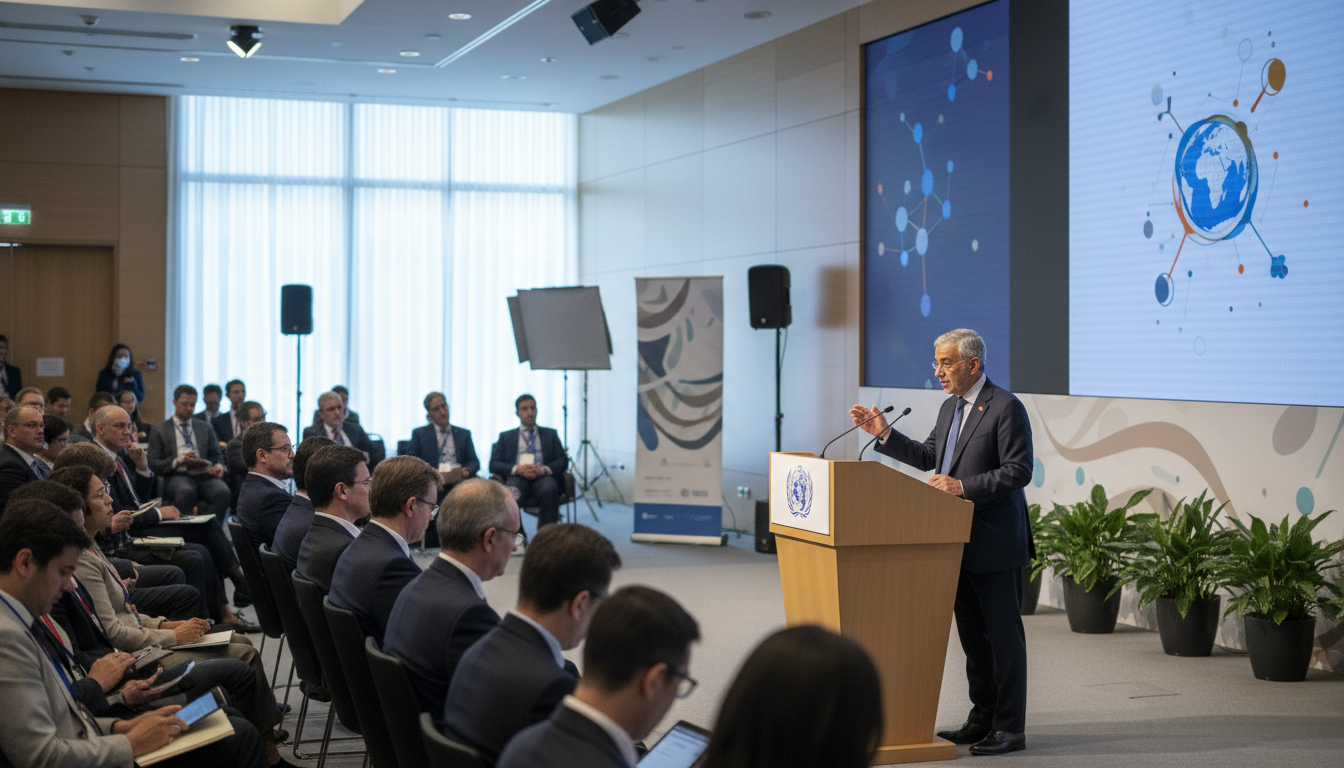
WHO announced a programme of high-level meetings and forums to press the case for sustained scientific collaboration and investment. The agency is coordinating with the G7 Presidency of France on a One Health Summit in Lyon early in April and will host a Global Forum of its Collaborating Centres network, bringing together hundreds of research institutions to align priorities and share capacity. WHO officials said these gatherings are intended to translate research into policy and to expand practical support for health systems worldwide.
Scientific advances underpin long-term health improvements
Health outcomes have improved markedly over recent decades, officials noted, attributing much of that progress to scientific discovery and broad uptake of innovations. Maternal mortality has fallen substantially since 2000, and child survival has improved as immunization and screening programmes expanded. WHO highlighted vaccines, antibiotics, diagnostic technology and surgical advances as examples of interventions that moved from laboratory breakthroughs to large-scale public-health impact.
Immunization and early detection credited with saving millions
Global immunization efforts over the past half-century have prevented tens of millions of deaths, WHO said, and single vaccines have averted very large disease burdens. Expanded screening and monitoring technologies, from routine blood-pressure checks to mammography, were cited as critical to detecting treatable conditions earlier and reducing avoidable deaths. WHO urged that these interventions be made accessible and affordable to lower-resource communities to close persistent equity gaps.
WHO’s role in outbreaks and standards development
The organization pointed to past episodes of rapid global coordination to illustrate the value of shared science and shared systems. WHO-coordinated laboratory networks and data-sharing accelerated identification of emerging pathogens in earlier outbreaks, while agency-developed protocols and formulations for infection prevention have been widely adopted in clinical settings. The agency also emphasized its role in setting evidence-based norms, such as air quality and drinking-water guidelines that protect populations from chronic and infectious risks.
Emerging threats underscore need for sustained research and preparation
WHO warned that progress is not guaranteed as climate change, environmental degradation, geopolitical tensions and shifting demographics create new pressures on health systems. These drivers increase the frequency and impact of extreme weather events, vector-borne disease spread and disruptions to care, complicating responses to both chronic conditions and infectious threats. WHO urged investment in research, surveillance and workforce strengthening to detect risks earlier and mount faster, more equitable responses.
Calls to action for governments, funders and communities
The campaign asks national leaders, funders and scientific institutions to make concrete commitments to support research, share data and expand capacity in lower-income countries. WHO officials emphasized translating evidence into policy and practice — not only generating new science but ensuring it reaches clinicians, public-health programmes and everyday decision-makers. The organization also appealed to the public to trust and participate in evidence-based measures, noting that community engagement is central to the success of vaccines, screening and prevention efforts.
WHO leaders framed the day as a reminder that science and solidarity together have underpinned historic health gains and are indispensable to confronting future challenges. The agency called on partners to sustain financing, bolster international cooperation and embed rigorous scientific advice in policy planning to protect the health of current and coming generations.

