
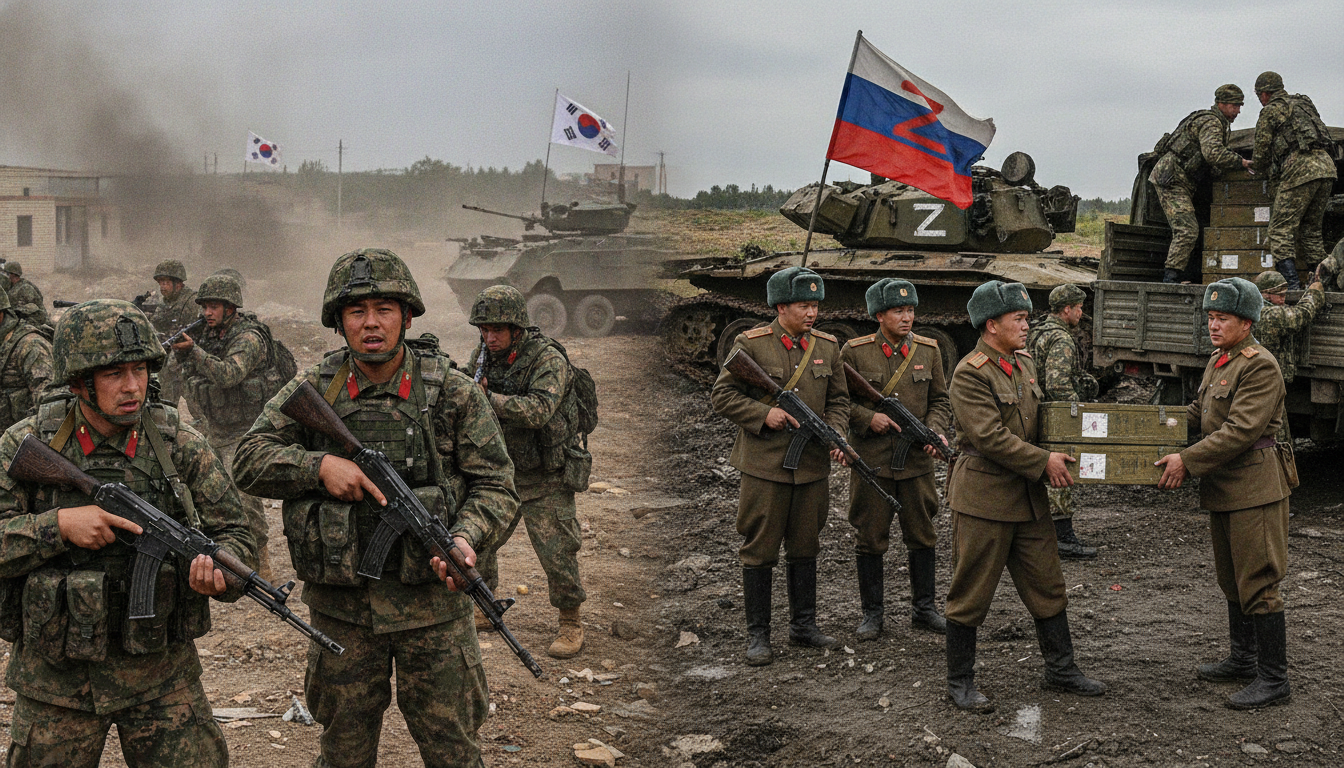
Ulchi Freedom Shield: U.S. and South Korea to Hold Large-Scale Exercises in August 2026
South Korea and the U.S. will hold Ulchi Freedom Shield exercises in August 2026 to bolster defenses and advance OPCON transfer amid regional tensions.
Seoul — South Korea and the United States will conduct large-scale Ulchi Freedom Shield joint military exercises in August 2026 aimed at strengthening deterrence and preparing for the eventual transfer of wartime operational command (OPCON) to Seoul. The drills come as both governments cite growing regional threats and heightened concerns over North Korea’s expanding military cooperation with Russia. Officials say the exercises are intended to test combined command-and-control systems, power projection and rapid reinforcement capabilities across the peninsula.
U.S. and South Korea Announce Ulchi Freedom Shield Schedule
The two militaries have confirmed the drills will take place later in August 2026, with activities staged across multiple training areas on the Korean Peninsula. Military planners describe the exercises as large-scale and multifaceted, including command-post training, live-fire events and joint logistical operations. Both governments emphasize coordination between U.S. forces stationed on the peninsula and South Korean units as a central objective of the program.
Training Focus and Operational Objectives
Planners say the Ulchi Freedom Shield exercise will concentrate on integrating command-and-control, improving troop mobility and refining combined air and maritime operations. Emphasis will be placed on rapid decision-making under stress and interoperability of communications systems between allied units. Organizers also aim to validate contingent plans for the reinforcement and sustainment of forces in a high-intensity conflict scenario.
OPCON Transfer: Progress and Challenges
The drills are being framed as a step toward the long-planned transfer of wartime operational command to South Korea, a politically sensitive process that remains under negotiation. South Korean leaders view the transfer as a milestone for national sovereignty, while U.S. officials have linked progress to Seoul’s readiness to assume full operational control. Military analysts note that exercises such as Ulchi Freedom Shield serve as practical assessments of whether command structures, training standards and force posture meet the benchmarks required for OPCON handover.
North Korea’s Growing Ties with Russia
Security authorities in Seoul and Washington point to evidence that North Korea has expanded military and logistical cooperation with Russia, a development that they say complicates deterrence calculations. Analysts warn that experience gained by North Korean forces through such cooperation could sharpen Pyongyang’s asymmetric capabilities, including missile testing and electronic warfare techniques. Officials contend that the timing and scale of the Ulchi Freedom Shield drills are partly a response to those evolving risks.
Scope of Maneuvers and Past Training Examples
The Ulchi Freedom Shield program has historically included a mix of field training and command-post exercises; recent iterations have featured complex maneuvers like river-crossing operations and coalition logistics drills. A prior river-crossing exercise in Yeoju in August 2025 illustrated the joint forces’ emphasis on mobility and combined-arms coordination. This year’s plan reportedly expands the scale of live events and increases participation from specialized units tasked with cyber, intelligence and missile-defeat roles.
Regional and Diplomatic Reactions
Neighboring countries and international partners are watching the drills closely, balancing concerns over escalation with support for deterrence measures. Tokyo and Washington have historically reaffirmed the importance of alliance coordination to maintain regional stability, while Beijing has occasionally urged restraint during large-scale exercises. Diplomats in Seoul indicate efforts will be made to inform partners and manage public messaging to minimize misperception while pursuing demonstrable improvements in allied readiness.
The militaries involved underscore that the Ulchi Freedom Shield exercises are defensive in nature and designed to reduce the likelihood of conflict by ensuring credible, coordinated responses. Both governments stress that transparency measures and channels for deconfliction will be used during the drills to lower the risk of accidental escalation. Observers say the combination of operational testing and political signaling will be an important gauge of regional security dynamics as Seoul moves toward greater operational responsibility.
Final assessments of the exercises will likely shape the timeline and conditions under which OPCON transfer negotiations proceed, according to officials and analysts. Outcomes from August’s drills are expected to be reviewed by defense and political leaders in Seoul and Washington as they weigh next steps in alliance posture and contingency planning.

