
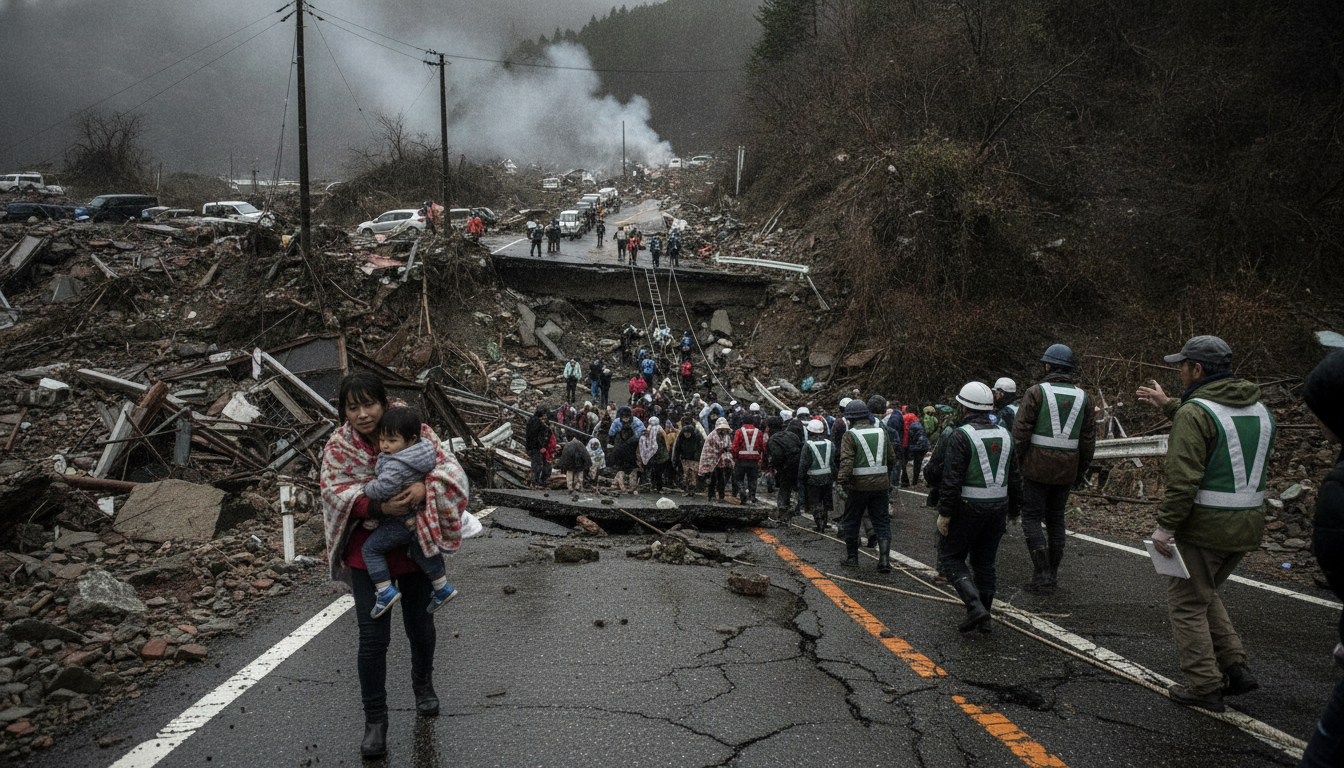
Kumamoto earthquake survivors face sweltering shelters and broken lifelines
Kumamoto earthquake survivors face sweltering, crowded shelters, power and water cuts, and systemic failures that increase health risks and demand urgent reform.
Kumamoto earthquake survivors face dire living conditions
Residents displaced by the July 28 Kumamoto earthquake are living in severely inadequate evacuation sites as intense summer heat persists. Many evacuees are sleeping on gymnasium floors without air conditioning, lacking privacy and basic cooling that vulnerable people need. The combination of extreme temperatures and crowded spaces has pushed some to sleep in cars, a choice that carries its own health and safety hazards.
Local sources and long-term disaster relief workers report that these conditions echo shortcomings seen in past disasters. The keyword Kumamoto earthquake is central to the immediate humanitarian challenge as responders balance logistics with rapidly rising health concerns. Officials acknowledge strain on resources but face criticism over the pace and scope of relief measures.
Crowded shelters drive residents to car-based overnight stays
Gymnasiums and community centers are housing large numbers of evacuees in dormitory-style arrangements that undermine privacy and comfort. For people with mobility issues, chronic illness, or sensory sensitivities, sleeping on mats in the open can be untenable and dangerous. As a result, car-based overnight stays have become a common fallback, particularly for the elderly and those who cannot tolerate shelter conditions.
Medical and social welfare workers warn that prolonged car sleeping increases risks such as heatstroke and inadequate medical monitoring. Reports indicate some evacuees prefer the perceived safety of their vehicle despite the absence of regulated climate control and access to clean water. Shelter managers say they are trying to prioritize those with special needs, but capacity limits and equipment shortages hamper targeted assistance.
Power and water outages exacerbate health and hygiene risks
The earthquake damaged local infrastructure, leaving portions of affected areas without steady electricity or running water for days after the tremor. Loss of power has disabled fans and air-conditioning units in shelters, while disrupted water supplies complicate basic hygiene and caregiving tasks. For people who rely on electrically powered medical devices, the outages pose immediate life-threatening risks.
Public health experts point out that interrupted lifelines can lead to secondary crises such as dehydration, infectious disease spread, and an uptick in disaster-related deaths. Emergency teams are prioritizing generators and bottled water distribution, yet logistical bottlenecks and transport constraints slow delivery to remote communities. The compounded effects of heat and service disruption magnify the vulnerability of older adults and those with preexisting conditions.
Survivors grapple with an unrelenting daily burden
Beyond shelter conditions, many families face shattered homes, closed shops, and damaged infrastructure that complicate everyday survival. Evacuees describe days spent hauling water, caring for others, and clearing debris—tasks that leave little room for rest or recuperation. Several people interviewed by relief volunteers report blurred memories of the immediate aftermath, a sign of extreme stress and cognitive overload.
This continuous strain affects not only physical health but also mental well-being, with long-term implications for recovery. Local support networks and volunteers are providing practical aid and companionship, yet systemic support for sustained recovery remains limited. The tasks of rebuilding livelihoods and restoring normal routines are expected to extend for months or longer.
Critics say response reflects systemic disregard for dignity in disaster planning
Observers with experience in past major earthquakes argue that recurring shelter deficiencies point to structural problems in disaster preparedness. They contend that evacuation planning often prioritizes capacity over the dignity and individualized needs of evacuees. Critics call this a failure to enshrine basic human-rights considerations into emergency logistics and facility design.
Policy analysts note that while emergency stockpiles and tents exist on paper, effective distribution and appropriate shelter adaptations are frequently lacking. They urge authorities to adopt more person-centered approaches, including segregated spaces for families, cooling measures tailored to the elderly, and clearer protocols for those who cannot tolerate communal sheltering. Without such reforms, similar harms are likely to recur after future events.
Calls for immediate and longer-term reforms to protect lives
Relief workers and advocacy groups are urging authorities to accelerate delivery of cooling equipment, portable toilets, and individual sleeping arrangements to reduce crowding. They also emphasize the need for rapid restoration of power to critical users, and for mobile medical teams to visit car-based evacuees. In the medium term, experts recommend revising shelter standards and expanding community-based preparedness that accounts for diverse needs.
Municipal officials say they are assessing gaps and coordinating with prefectural and national agencies to prioritize the most vulnerable. Yet community leaders stress that meaningful change will require sustained funding, improved logistics, and legal frameworks that put individual safety at the forefront. The Kumamoto earthquake has reawakened public debate about how disaster response balances efficiency with human dignity.
Survivors and volunteers describe small acts of solidarity—sharing water, checking on neighbors, and improvised shading—but stress these cannot replace systemic fixes. As relief efforts continue, families displaced by the quake are calling for solutions that allow them to recover with safety and dignity intact.

