
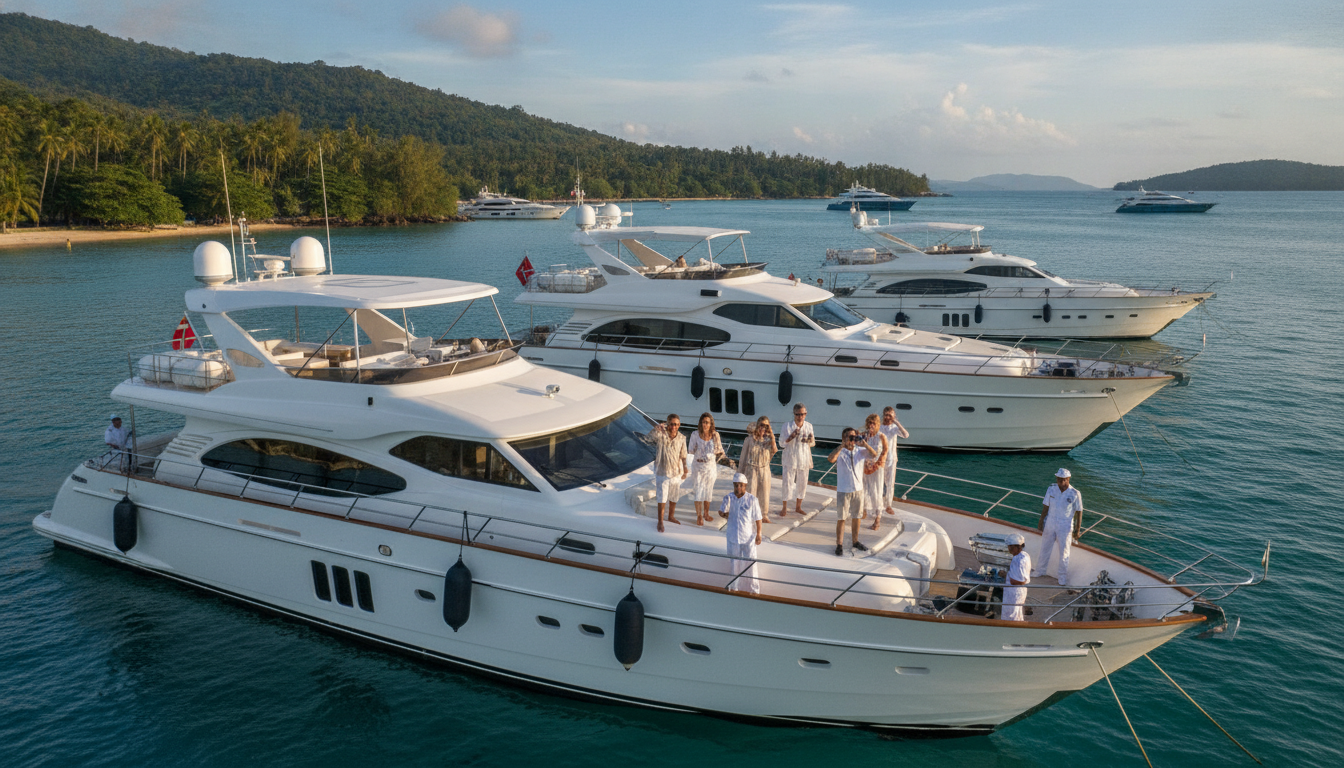
Luxury yacht market pivots to Southeast Asia as owners seek safer harbors amid US–Iran war
Luxury yacht market sees owners reroute to Southeast Asia, boosting demand for berths and charters while insurers and ports adapt to security and capacity pressures.
The luxury yacht market is shifting toward Southeast Asia as owners and charter companies reroute vessels to avoid conflict zones tied to the US–Iran war, industry participants and regional events indicate. Recent maritime exhibitions, including the Singapore Yachting Festival on Sentosa Island, have highlighted stronger buyer interest and rising enquiries for berths, long-term mooring and regional charters. Shipyards, brokers and marina operators say the reorientation is reshaping demand patterns across ports from Singapore to Thailand and Indonesia.
Regional demand spikes following security concerns
Reports from brokers and marina managers show a noticeable uptick in enquiries for Southeast Asian berths and short-term moorings since the escalation of hostilities in the Middle East. Owners cited safety, shorter repositioning distances from key cruising waters and a desire to reduce exposure to higher insurance and transit costs when choosing to relocate.
Charter operators are also retooling itineraries to concentrate on archipelagos and coastal cruising in the region, where demand for multi-day and week-long journeys is strengthening. That increased interest has translated into earlier booking windows and a willingness among some clients to pay premiums for perceived safety and stability.
Singapore Yachting Festival highlights changing buyer behavior
The Singapore Yachting Festival on Sentosa drew a broad cross-section of manufacturers, brokers and prospective buyers, showcasing how demand is realigning. Luxury models on display attracted buyers who told exhibitors they were considering regional berths as part of a broader strategy to avoid higher-risk corridors.
Exhibitors said conversations at the festival centered on logistics, marina availability and long-range operational planning rather than solely on vessel specifications. The event underscored the extent to which geopolitical risk is now a consistent factor in purchase and deployment decisions for high-value pleasure craft.
Owners prioritize safer harbors and operational flexibility
Owners are increasingly seeking ports that offer not only safety but also support services—marine maintenance, crew changes, provisioning and secure long-term berthing. Many are prioritizing marinas that can accommodate larger yachts and provide fenced, monitored storage and quick access to customs and immigration services.
This preference has driven some owners to make semi-permanent moves, registering vessels locally or arranging extended leasing of berths to reduce repositioning. Industry sources report a rise in interest for destinations that combine strong infrastructure with favorable regulatory frameworks for private craft.
Insurance and operating costs reshape route planning
The conflict has prompted insurers to reassess regional risk, with war-related premiums and protective clauses affecting cover for vessels operating in or transiting near contested waters. Underwriters and brokers have warned that premiums for voyages through higher-risk zones are likely to remain elevated while the geopolitical situation persists.
In response, operators are factoring higher insurance and fuel costs into charter pricing and owner budgets. Some owners are incurring additional security expenses, including private escort arrangements and enhanced onboard surveillance systems, to meet insurer requirements and reduce potential liabilities.
Marinas and ports face capacity and service challenges
Marinas in key hubs are now managing heavier demand for long-term berths and services, creating pressure on available space and maintenance capacity. Marina operators report longer waiting lists for sheltered berths suitable for superyachts, alongside increased requests for haul-out, refit and technical support slots.
Regional port authorities and private operators are exploring expansions and operational changes to accommodate larger transient volumes, but such projects require time and capital. Meanwhile, smaller ports are racing to upgrade facilities and staff training to capture spillover demand, creating competitive dynamics across the region.
Market outlook and potential long‑term shifts
Analysts say the luxury yacht market’s move toward Southeast Asia could persist if geopolitical uncertainty continues, prompting investment in marina infrastructure and marine services. That investment may broaden the region’s appeal to owners and charter clients but will also require regulatory coordination on customs, crew welfare and environmental standards.
If the security situation stabilizes, some owners may return to established cruising grounds, but the recent reallocation of assets and capital suggests a lasting increase in Southeast Asian capacity and expertise. For now, the market is adapting through a combination of short-term operational changes and longer-term planning by stakeholders.
Regional economies are already feeling the economic ripple effects from increased yacht presence, while industry participants warn that sustainable growth will depend on bolstering port capacity and ensuring predictable insurance and regulatory frameworks.
Market watchers say the festival circuit and commercial indicators point to resilience in demand, even as vessel operators navigate a more complex risk and cost environment.

