
Tokyo Izakaya Face Rising Costs but Customers Still Crave Intimate Drinking Experiences
Small izakaya across Tokyo are grappling with higher operating costs, yet steady customer demand for intimate social dining keeps many of the tiny pubs busy into the evening.
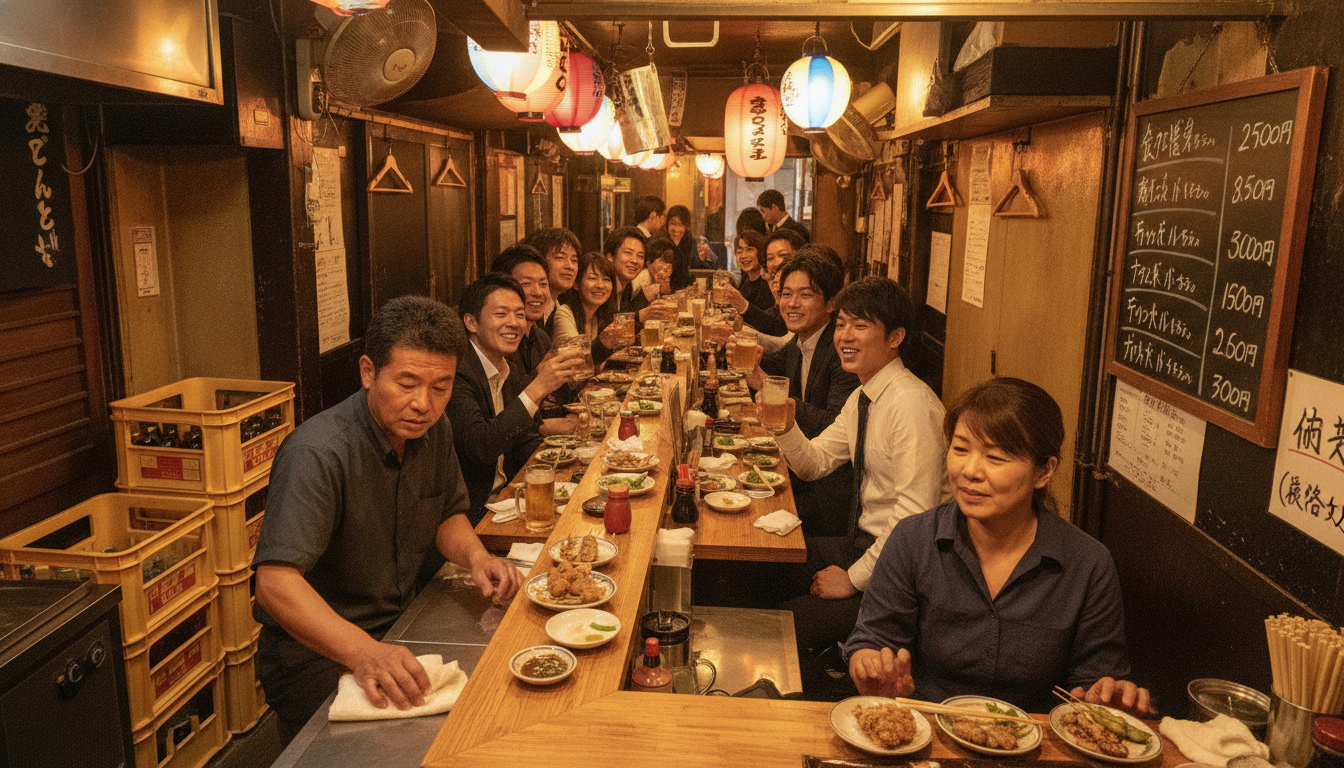
On a late July Friday evening, Kuranosuke, a six-seat izakaya in Koto Ward, was nearly full despite a string of price and supply pressures squeezing margins for small operators. Owners report that rising ingredient costs, higher rents and tighter labor markets have forced changes to menus and hours, but regulars and first-time visitors continue to seek the close, conversational atmosphere that defines Tokyo’s tiny bars. The resilience of customer demand has prompted many proprietors to adapt their business models rather than close, underscoring a tension between financial strain and cultural appetite for connection in Tokyo’s dining scene.
Izakaya owners report a squeeze from multiple cost increases
Many small-operator izakaya say they are facing a confluence of rising costs that together sharpen the economic pressure on already thin margins; food prices, especially for imported seasonings and premium seafood, have climbed while energy and waste-disposal bills have also increased. Landlords’ expectations and neighborhood rent adjustments add another layer of expense for venues that often occupy compact plots or old wooden buildings where maintenance can be costly. At the same time, tighter labor supply and higher wages required to attract staff after pandemic-era disruptions mean owners must balance staffing needs with customer experience.
Customers continue to value intimacy and authentic interaction
Despite those pressures, demand remains for the intimate, conversation-driven experience that izakaya offer, with patrons often willing to accept modest price increases in exchange for personable service and a sense of place. Alleyways such as Nonbei Yokocho near Shibuya Station illustrate this dynamic, where six-seat counters and tiny rooms draw both locals and visitors who prioritize immediacy and human connection over size or spectacle. That steady foot traffic has given proprietors a platform to test modest price adjustments, limited menus and tasting sets aimed at preserving the atmosphere customers expect.
Operators adjust menus, hours and seating strategies
To cope with narrower margins, many izakaya are shifting from à la carte to fixed-course offerings, introducing cover charges or minimums for popular seating, and shortening opening hours to lower overheads. Some have embraced reservation systems or limited-entry nights to manage demand and reduce food waste, while others stage small themed evenings—sake tastings, regional food showcases or pairing sessions—to command a premium and strengthen customer loyalty. These operational changes are often incremental, chosen to protect the personal service that defines small pubs while seeking stronger per-customer returns.
Community networks and informal marketing sustain business
Proprietors frequently rely on word-of-mouth, neighborhood associations and social media to maintain visibility, leaning on loyal regulars to fill seats on slower nights and attract newcomers to off-peak time slots. Local supplier relationships—longstanding ties with fishmongers, brewers and wholesalers—can offer both pricing stability and supply continuity, and several operators report tightening orders to emphasize seasonal, lower-cost ingredients. In tight-knit alleys, the reputation of a single tiny bar can uplift adjacent businesses, reinforcing a community-based model of resilience rather than a purely transactional one.
Policy response and industry support remain limited but targeted
Industry groups and municipal programs have provided episodic support to small hospitality businesses, but owners say long-term relief is uneven and often focused on larger operators or short-term subsidies. Training and recruitment initiatives aimed at hospitality staff have been rolled out in some wards, seeking to ease the labor crunch, while small grants or advisory services are occasionally available to help with energy efficiency or digital transition. Still, many proprietors say sustainable, long-term policy measures would need to address structural costs such as rent, utilities and the administrative burden of regulation to prevent further closures.
Tokyo’s tiny pubs have thus entered a period of pragmatic adaptation: trimming waste, refining offerings and leaning into the intimacy that draws customers, even as fundamental cost pressures persist. For many owners, the immediate strategy is to preserve the atmosphere that fuels repeat business while testing modest price and format changes that will keep doors open.
While higher costs present a real threat to the survival of some establishments, the enduring appeal of the izakaya—its conviviality, proximity and personality—suggests that with careful management and targeted support, many of Tokyo’s small pubs will continue to serve as social anchors in their neighborhoods.

