
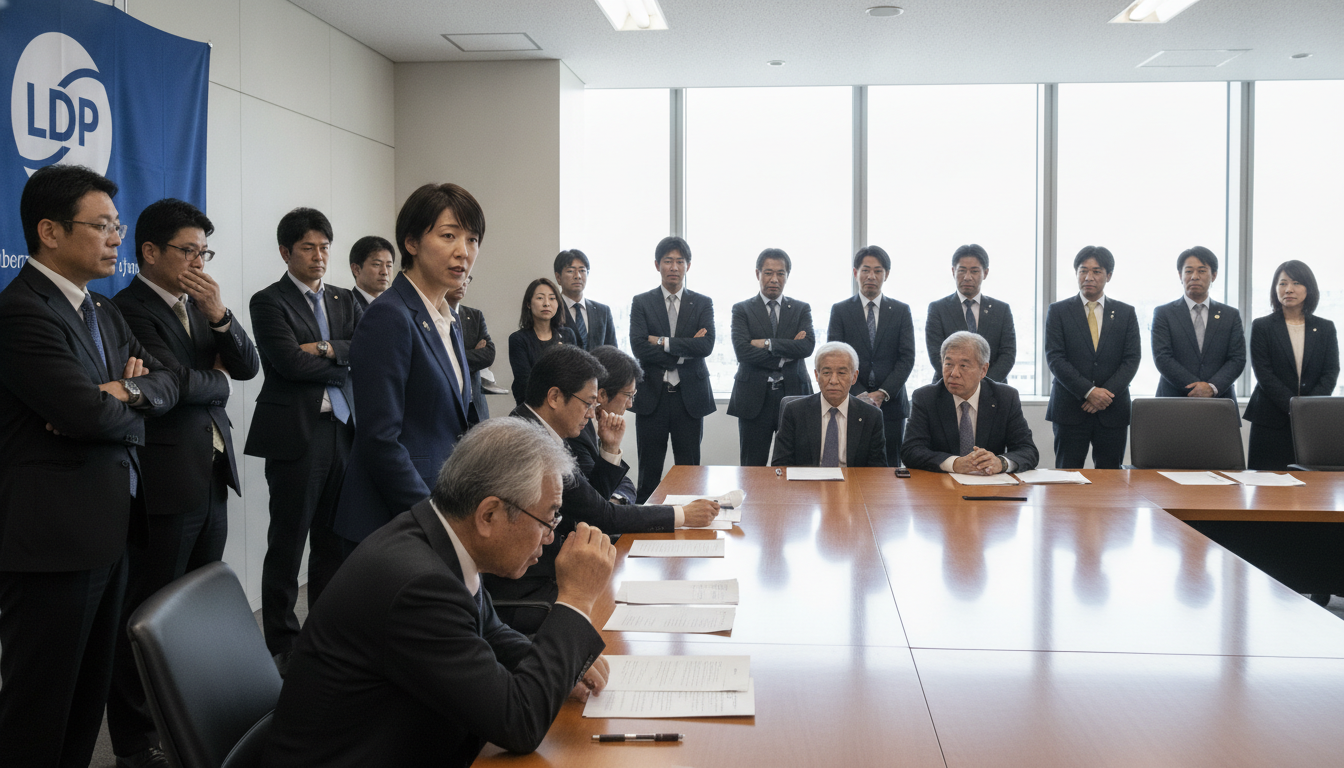
Takaichi Faces LDP Backlash Over Proposed Consumption Tax Cut on Food
Prime Minister Sanae Takaichi is facing growing dissent within the ruling Liberal Democratic Party over a proposed consumption tax cut on food, with critics saying the plan lacks clear funding measures and risks weakening fiscal discipline.
Takaichi’s Proposal and Party Reaction
The prime minister’s pitch to reduce the consumption tax on food has won attention for its populist appeal but drawn scrutiny from senior and rank-and-file LDP lawmakers alike. Opponents within the party say the proposal was advanced without sufficient internal debate on how the measure would be financed. Party sources describe a mix of concern about budgetary consequences and unease over the political strategy behind a high-profile tax cut.
Takaichi spoke to reporters in Tokyo on Aug. 5, underscoring her support for relief measures targeted at household food expenses. Since then, the policy has prompted a series of private meetings among LDP officials to assess political and fiscal ramifications.
Funding Questions Drive Internal Pushback
Central to the intra-party pushback is the absence of a detailed funding plan for the tax cut on food, sources within the LDP say. Lawmakers warn that without offsetting measures or new revenue streams, the move could widen fiscal deficits or force cuts to other budget lines. Fiscal hawks in the party cautioned that sustainable funding is essential if the government wishes to maintain confidence in Japan’s fiscal management.
Opponents have pressed for scenarios that would show whether the proposal can be implemented without tapping general reserves or undermining social security spending. That lack of clarity has hardened opposition among members who prioritize fiscal stability.
Opposition Parties and Public Expectations
Opposition parties have seized on the funding question to demand full disclosure of fiscal plans, saying the public deserves concrete answers before any legislative action. Critics outside the LDP framed the initiative as politically timed and inadequately planned, calling for parliamentary hearings and independent scrutiny. The debate has raised expectations among voters for an explanation of trade-offs and timelines.
Some civic groups and consumer advocates welcomed the idea of lowering food costs but reiterated that relief must be paired with transparent, longer-term strategies to protect social services and vulnerable populations. Public sentiment, according to multiple polls conducted since the announcement, appears divided between immediate relief and concern over fiscal consequences.
Implications for Budget and Economic Policy
Analysts say that a consumption tax cut on food would have direct implications for tax revenue and fiscal planning, regardless of the scale of the reduction. Even a targeted cut can complicate revenue forecasts and create pressure to identify compensatory measures, such as spending reallocations or temporary financing. Economic policymakers within government ministries are reported to be running models to estimate revenue impacts and distributional effects.
Officials caution that any tax change must be assessed against long-term commitments, including pension and healthcare funding. The fiscal trade-offs have become a focal point for both technocrats and politicians weighing political gains against macroeconomic stability.
Political Calculations and Party Dynamics
Observers in Tokyo say the dispute exposes broader tensions in the LDP over electoral strategy and policy direction. Some faction leaders are wary of endorsing a high-profile cut without a detailed plan that can withstand scrutiny during Diet debate and media coverage. Others see the measure as a means to shore up support among cost-conscious voters ahead of future elections.
The rift has prompted calls within the party for clearer procedures on advancing major fiscal initiatives, including cross-faction consultations and expert briefings. How quickly leaders can reconcile competing priorities will shape the party’s unity and public standing.
Next Steps and Parliamentary Outlook
For now, party deliberations are expected to continue as lawmakers press the government for formal cost estimates and concrete funding options. The LDP’s internal committees and relevant government ministries are being urged to present scenarios that spell out the fiscal path forward. Lawmakers say they will assess any formal proposal on the basis of its fiscal credibility and social impact.
If the cabinet decides to press ahead, the measure would face detailed scrutiny in Diet committees where opposition parties can amplify concerns about funding and fiscal risk. That process is likely to set the timetable for any legislative action and determine whether the proposal can win the broader political consensus the government needs.
Sanae Takaichi’s proposal for a consumption tax cut on food has catalyzed a debate that reaches beyond partisan politics to the core of Japan’s fiscal strategy, forcing lawmakers and officials to reconcile short-term relief with long-term stability.

