
Trump tariffs reshape U.S. manufacturing landscape while failing to restore lost jobs
U.S. companies report higher activity but employment lags as Trump tariffs redraw supply chains and raise costs for downstream industries.
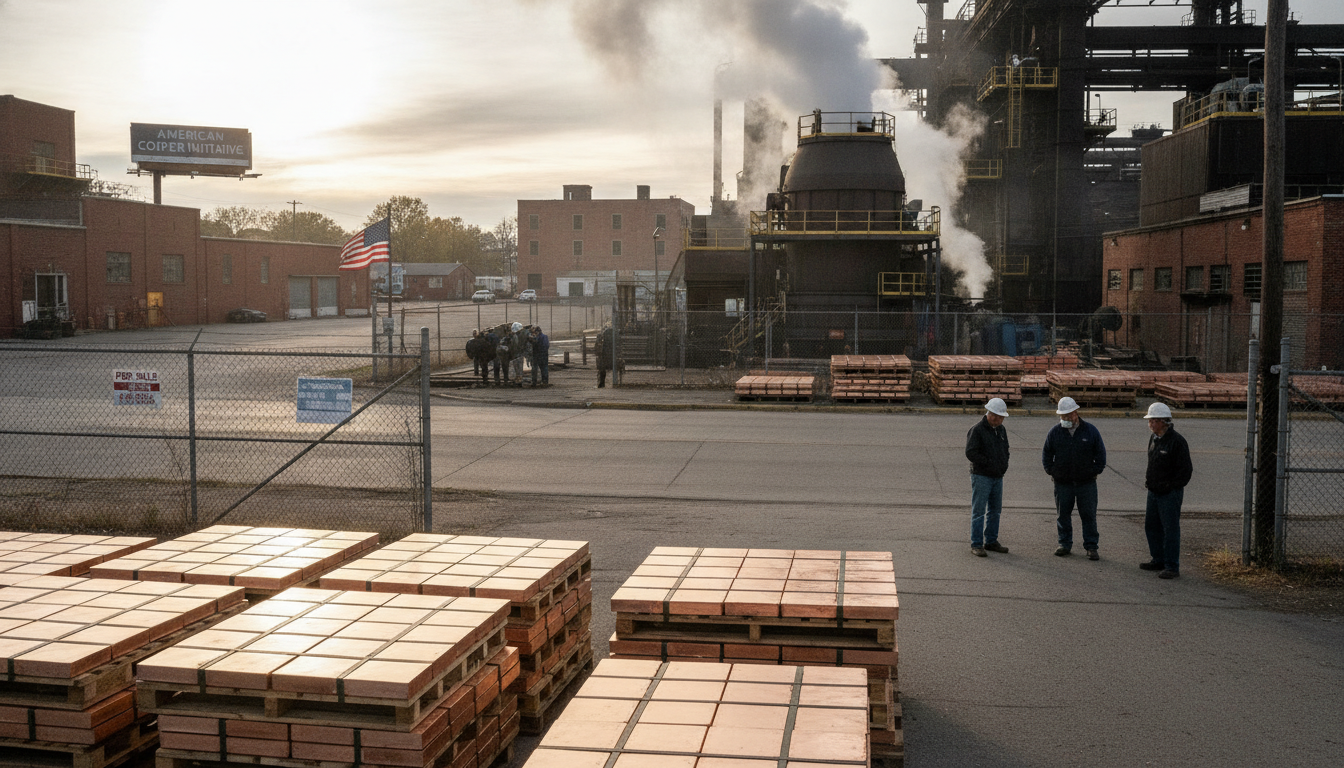
At Revere Copper Products, decades of contraction reversed after tariffs tied to the Trump administration shifted the economics of copper production, industry officials say. The broader phenomenon of "Trump tariffs" has prompted a reorientation of supply chains toward North America and raised output in some plants, yet analysts warn the measures have not delivered a sustained revival in manufacturing employment. Policymakers and business leaders now face competing pressures: protect domestic capacity while mitigating price increases that squeeze manufacturers and consumers.
Tariff-driven output increases in targeted metals
After tariffs were first imposed by the Trump administration following the 2016 election, several U.S. mills and smelters reported higher utilization and new orders. Tariffs on imported steel, aluminum and other inputs raised domestic prices and narrowed the cost gap with lower-priced foreign suppliers. That shift made investments in capacity expansion and modernization more commercially viable for legacy producers who had struggled to compete on price alone.
Manufacturers that rely on those inputs, however, saw mixed effects; some suppliers benefited from higher volumes, while many downstream firms faced rising input costs. Economists point out that output growth in protected sectors does not automatically translate into broad-based industrial resurgence when supply chains and production techniques are undergoing rapid automation.
Revere Copper’s turnaround and limits to job growth
Revere Copper Products, one of the nation’s longest-running copper rolling mills, illustrates the paradox of the tariff era. Management and local officials describe a marked uptick in orders and investment after protectionist measures altered price dynamics for copper and related alloys. The company has reported increased production and has invested in equipment upgrades to meet demand.
Despite these gains, Revere’s case also highlights why tariff-driven activity has not produced a proportional rise in employment. Modern metalworking relies heavily on capital-intensive processes, and firms often expand output through productivity improvements rather than hiring large numbers of new workers. Company representatives and labor analysts emphasize that higher output has been absorbed partly through overtime, shift adjustments and automation rather than steady, broad-based hiring.
Supply chains redirected but not fully reshored
One of the clearest consequences of the Trump tariffs has been a redrawing of the global supply chain map for U.S. manufacturers. Import-dependent companies began sourcing more from North American suppliers, and some foreign producers shifted investment to plants outside China to avoid tariffs. This geographic diversification has reduced certain vulnerabilities exposed during the pandemic and geopolitical tensions.
Yet full reshoring has proved costly and complex. Multinational firms cite long-term contracts, specialized inputs, and the logistical benefits of established Asian supply chains as barriers to rapid relocation. Instead, many firms pursue nearshoring and dual-sourcing strategies that blend domestic, regional and offshore suppliers to balance cost, reliability and tariff exposure.
Employment patterns diverge across regions and roles
Labor market data and company reports show that employment effects of tariff policies vary widely by region and occupation. Areas with legacy metalworking capacity have seen modest gains in skilled production and maintenance roles, while lower-wage assembly jobs remain thin on the ground. The rise of automation in fabrication and materials handling has further muted the potential for large-scale rehiring.
Experts highlight that tariffs can protect existing jobs and prevent further closures, which has value for local economies, but they rarely create a surge of new employment in the modern manufacturing environment. Training and workforce development initiatives are often necessary to translate higher production volumes into sustainable job opportunities in advanced manufacturing trades.
Costs, inflation and international responses
The Trump tariffs have also had macroeconomic ripple effects that complicate the policy calculus. Higher input prices have contributed to upward pressure on costs for downstream industries and, at times, consumer prices. Trading partners responded with retaliatory measures in several sectors, leading to disruptions for exporters and importers alike. Those international moves underscore the diplomatic and economic trade-offs of unilateral tariff strategies.
Some companies absorbed cost increases and sought efficiency gains; others passed them on to customers or restructured their supplier networks. Policymakers face the challenge of balancing industrial protection with the broader economic consequences of higher prices and strained trade relations.
Public debate continues over whether tariffs are the most effective tool to rebuild the industrial workforce and secure critical supply chains. Proponents argue protection preserves strategic capacity that is hard to recreate, while critics say targeted investments in workforce training, infrastructure and innovation would be more effective and less distortionary.
The experience of American copper and metal producers since the introduction of Trump tariffs demonstrates both the levers and limits of trade policy. Activity and investment have returned to some facilities, and supply chains have become more resilient in certain sectors. At the same time, employment gains have been constrained by automation and structural shifts in manufacturing, leaving policymakers with a complex assessment as they weigh future trade and industrial strategies.

