
U.S. attack on Venezuela: Caracas mural and eyewitnesses describe chaos after Tiuna base raid
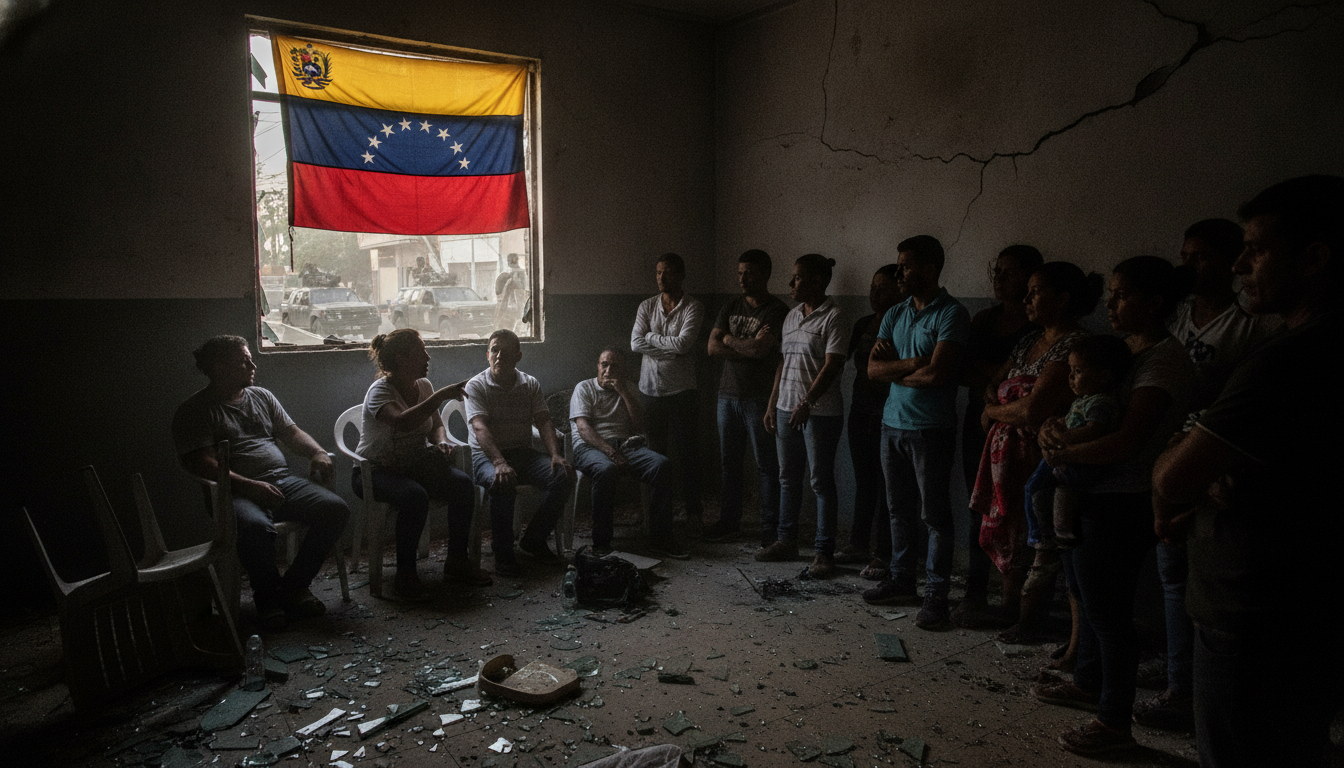
Caracas witnesses and images show chaos after the U.S. attack on Venezuela on January 3, 2026, when U.S. forces raided Tiuna base and detained President Maduro.
Mural near major artery reflects public anger
A large mural painted along a principal highway in Caracas depicts a figure believed to be former U.S. President Donald Trump trapped beneath a giant boot. Bold slogans next to the artwork read, in translation, "We do not want a king" and "Stop wars for oil," signaling popular outrage at the foreign operation.
The mural is located within sight of the Tiuna military complex, where the raid took place, and has become a focal point for demonstrations and media attention. Residents say the painting was created days after the January operation and has drawn crowds and commentary across social media.
Assault on Tiuna military complex and detention of the president
In the pre-dawn hours of January 3, U.S. special operations forces struck the Tiuna military complex, according to accounts from local residents and official statements. The stated objective of the operation was the capture of President Nicolás Maduro, who, authorities say, was staying at a residence inside the base at the time of the assault.
Witnesses and subsequent official briefings describe a rapid airborne incursion involving multiple helicopters and ground elements that seized Maduro and his spouse. Venezuelan security sources reported intense fighting inside the compound and significant losses among military personnel.
Resident describes terrifying night and explosions
César Marelo, 78, who lives in an apartment block adjacent to the base, recalled being jolted awake by a series of violent explosions around 2:00 a.m. He and his wife looked out to see flashes and aircraft overhead before realizing the disturbance was a military assault and not an earthquake as they first feared.
Marelo said he counted roughly six helicopters and heard at least six major detonations, followed by the staccato of automatic weapons. He described the experience as "terrifying" and said neighbors stood in the hallways in shock as the sounds continued.
Missile strikes and damage in Catia La Mar captured on video
Independent videos and photographs circulating after the raid show structural damage consistent with missile or precision-strike impacts in neighborhoods north of Caracas, including Catia La Mar. One image widely shared by residents shows a multi-story apartment building with large sections of its exterior walls blown away, and local sources say the photo was taken shortly after the operation.
Journalists and analysts comparing timestamps and flight trajectories suggest some strikes were aimed at hardened targets within or near the military complex, though the urban fallout extended into nearby residential areas. Local emergency teams reported search and rescue efforts and structural assessments in the hours after the strike.
Casualties and military losses reported by Venezuelan sources
Venezuelan authorities reported that dozens of soldiers were killed during the fighting inside and around the Tiuna complex, reflecting fierce resistance to the incursion. Medical personnel and local officials in affected districts described hospitals receiving a surge of casualties, though exact figures remain contested by different parties.
The presence of civilian damage and reported fatalities has heightened concerns among neighbors and international observers about the operation’s toll on non-combatants. Families displaced by collapsed apartments and shattered windows have sought temporary shelter and aid from local community groups.
Regional reverberations and international implications
The raid and the public images it generated have amplified diplomatic tensions throughout the region, prompting statements from governments and international organizations urging restraint and clarity. The operation reignited debates over sovereignty, the use of force abroad, and the risks of urban military actions near populated areas.
Analysts say the episode is likely to have lasting political consequences inside Venezuela and could reshape dialogue among neighboring countries and global powers. For many Venezuelans, the mural and firsthand accounts have crystallized a narrative of foreign intervention that will influence protests and political mobilization in the weeks ahead.
Eyewitness testimony, localized video evidence, and visible urban damage have together created a contested but vivid record of what happened on the night the Tiuna complex was attacked. Residents and civil groups continue to document the aftermath as investigations and diplomatic exchanges unfold.

